Why London Bridge Keeps Coming Up on Buyer Tours
London Bridge is one of those Virginia Beach neighborhoods that buyers stumble into while searching for something else, and then can't stop thinking about. It sits inland from the resort strip, tucked between Dam Neck Road and the Lynnhaven corridor, close enough to Naval Air Station Oceana that jet noise is part of daily life but far enough from the oceanfront crowds that streets stay quiet and unhurried.
The name comes from London Bridge Road and London Bridge Creek, both of which run through the area and give it a distinct identity separate from Great Neck to the north or Ocean Lakes to the south. What draws my buyers here most often is value: London Bridge homes tend to sell for less than comparably sized houses closer to the water, while still putting you a short drive from the base, the interstate and the beach.
This guide covers what you'll actually see on the ground here, from the housing stock and commute to flood zones, HOAs, schools and financing. For the bigger picture on the city, start with my Virginia Beach overview.
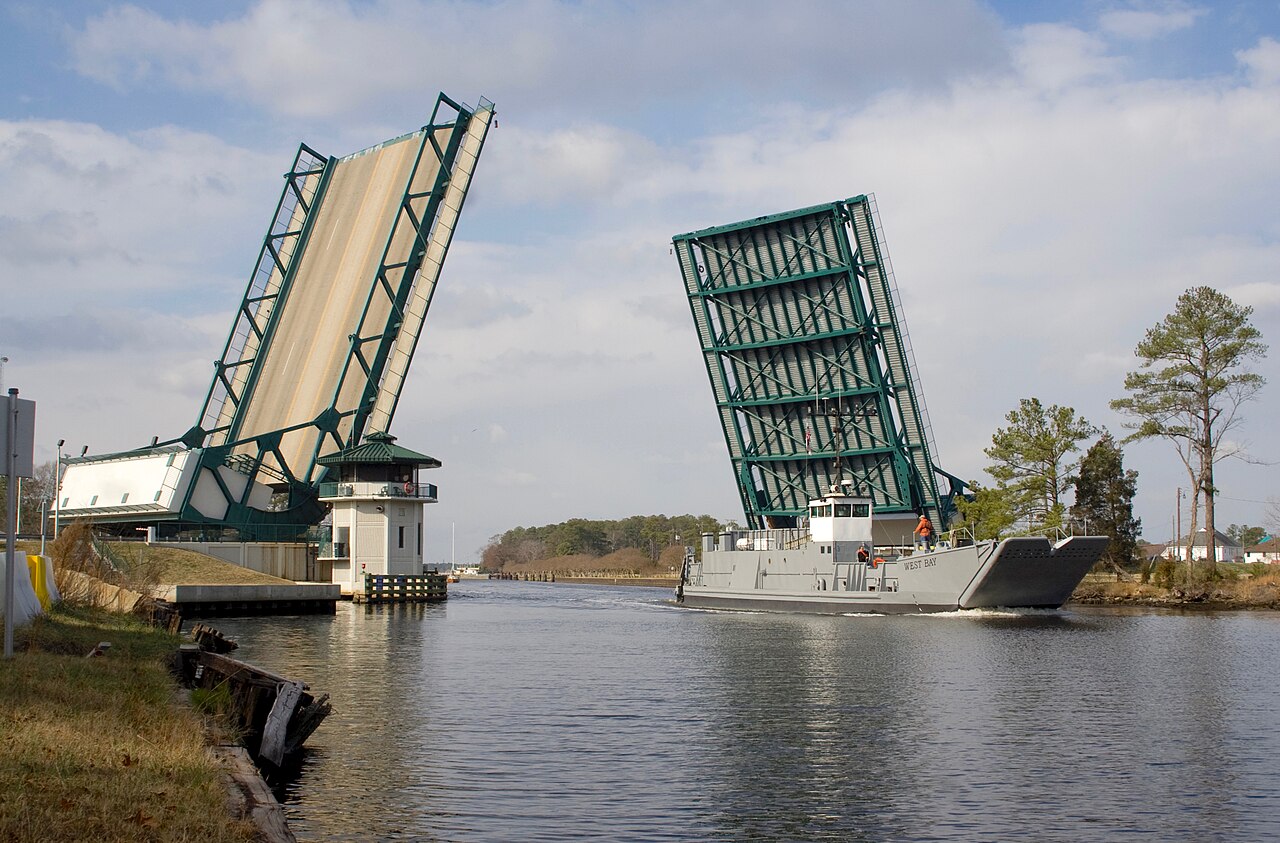
The neighborhood's name traces back to the late 1700s and a bridge crossing London Bridge Creek, part of the Lynnhaven River system, near a trading post once run by the London Company [1](https://en.wikipedia.org/wiki/London_Bridge,_Virginia). It's one of the oldest place names in this part of Virginia Beach, predating the resort city itself by nearly two hundred years, and it's a fun bit of history I like sharing with buyers who ask where the name comes from.
A Working Neighborhood With Deep Naval Roots
London Bridge grew up around one of the oldest commercial corridors in Virginia Beach, and its development has always been tied to Oceana and the surrounding military installations. Because so much of the area sits inside noise zones and Air Installation Compatible Use Zone (AICUZ) restrictions tied to Oceana's flight patterns, buyers here should expect to hear jets, especially on the streets closest to the base.
That reality shapes pricing and buyer expectations. Military families who work at Oceana or Dam Neck Annex often specifically want to be close, since it cuts commute time to almost nothing, while other buyers prefer streets set back from the flight paths. Either way, I always recommend touring at different times of day before writing an offer, so you know exactly what you're signing up for.
The city's AICUZ program requires noise attenuation measures for new residential construction in zones exposed to significant flight noise, and anyone selling or leasing property within a mapped noise or accident potential zone is legally required to disclose that in writing [2](https://planning.virginiabeach.gov/zoning/air-installation-compatible-use-zone-aicuz). I make sure every buyer sees that disclosure and understands exactly what it means before we go under contract, not after.
Streets, Corridors and the Lay of the Land
London Bridge Road is the spine of the neighborhood, running from the Lynnhaven Parkway area down toward Dam Neck Road, with older commercial strips mixed in among residential pockets. Potters Road and the area around Apiary Court and the London Bridge Crossing community are good examples of the smaller infill neighborhoods built over the past few decades.
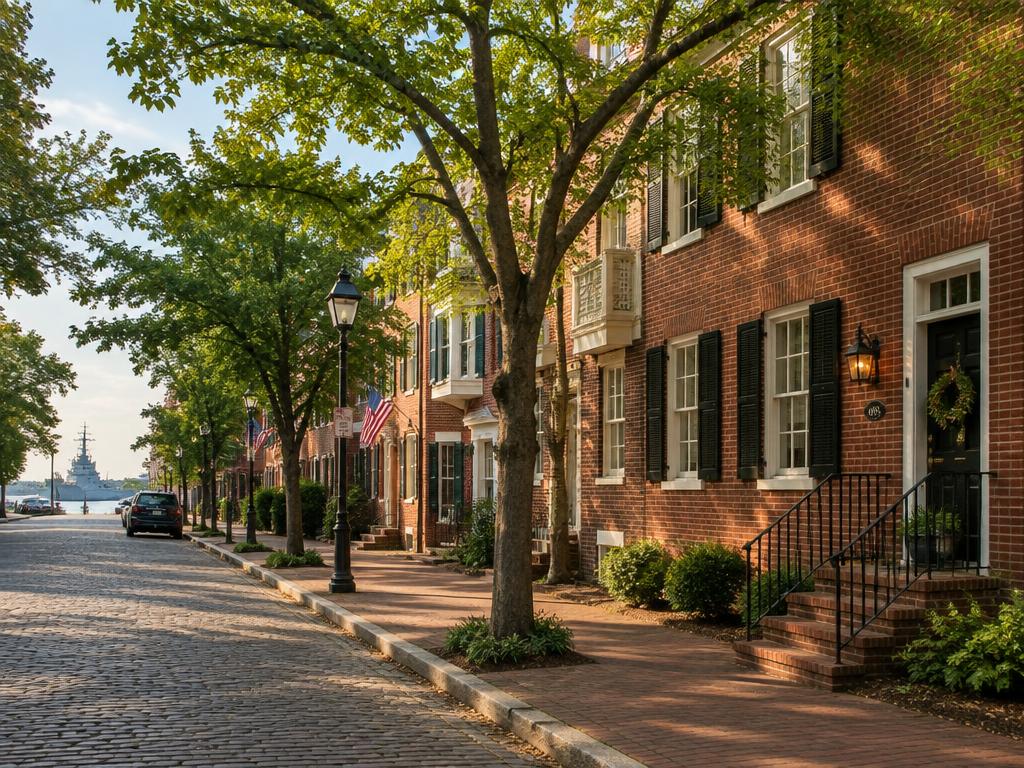
Because London Bridge sits at a crossroads rather than being one master-planned subdivision, the housing character shifts block by block. Some pockets feel like classic 1970s and 1980s Virginia Beach suburbia with ranches and split-levels on generous lots, while newer infill streets bring 2000s-era colonials and smaller cul-de-sac communities.
I walk buyers through these differences in person, because online listings rarely capture how different two streets a half-mile apart can feel here.
The city has also identified the broader London Bridge area as one of its Strategic Growth Areas, with plans for future mixed-use development and transit connections centered around the Lynnhaven Mall corridor and a potential transit station [3](https://planning.virginiabeach.gov/comp-plan/strategic-growth-areas/lynnhaven). That kind of long-range planning is worth knowing about if you're buying for the long haul, since it could reshape traffic patterns and commercial options nearby over the coming years.
Housing Stock and What to Expect on Inspections
Most London Bridge homes date from the 1970s through the early 2000s, so you'll see a mix of brick ranches, split-levels, and two-story colonials, along with newer cul-de-sac infill like London Bridge Crossing. Lot sizes tend to be solid, often a quarter acre or more, which is part of the appeal for buyers moving from tighter subdivisions closer to the resort area.
On homes from the 1970s and 1980s, I ask inspectors to pay close attention to original HVAC systems, roof age, electrical panels and any plumbing that hasn't been updated. Homes built closer to base flight paths sometimes have upgraded windows or insulation for sound attenuation, which is worth asking sellers about directly.
None of this is unusual for a neighborhood this age. It just means budgeting for updates and negotiating repairs where they make sense, the same approach I'd recommend anywhere in this part of the city.
Because so much of the surrounding commercial corridor developed piecemeal over decades, you'll also see the occasional older home that started life as a farmhouse or rural property before the area filled in around it. These can be full of character, but they usually need a closer inspection of systems that may have been updated in stages rather than all at once.
Commutes: Oceana, Dam Neck, I-264 and the Beach
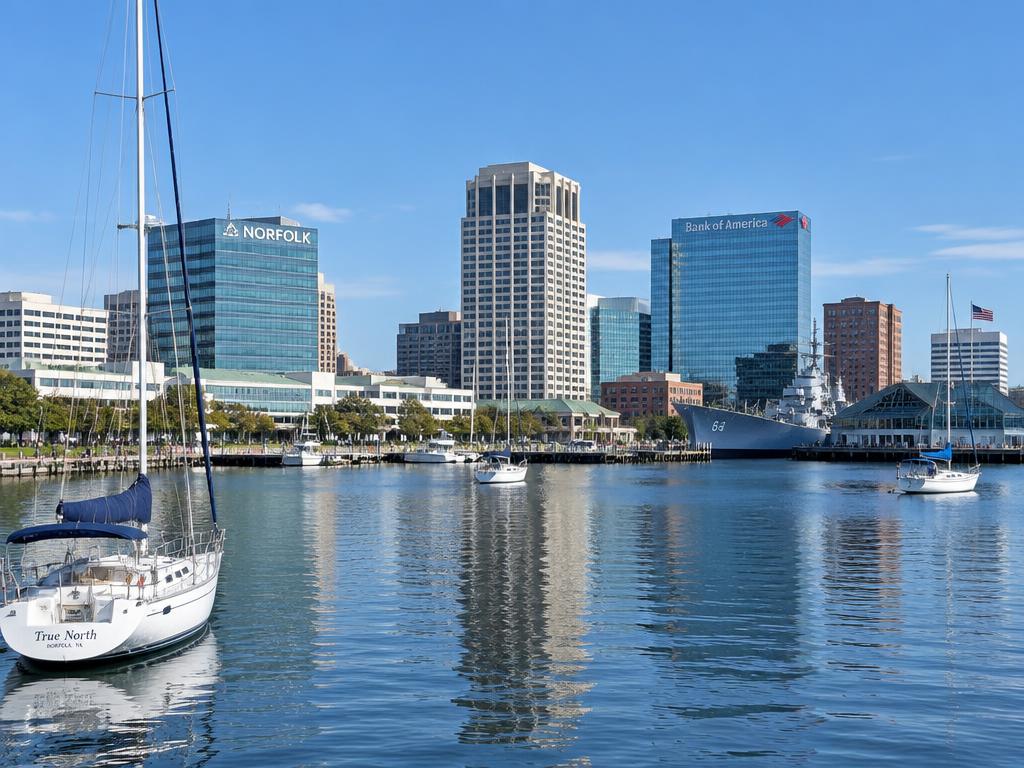
London Bridge's location is its calling card. NAS Oceana and Dam Neck Annex are both minutes away, which is why so many active-duty families and civilian base employees target this neighborhood first. I-264 is a short drive north via Lynnhaven Parkway or Rosemont Road, giving quick access toward Norfolk, the tunnels and downtown Virginia Beach.
For buyers who work at the oceanfront or in Town Center, the drive is straightforward outside of peak summer tourist traffic. If you're relocating from out of state or coming off orders, I encourage you to drive the actual commute at the time you'd make it, since Dam Neck Road and Holland Road both see real congestion at rush hour. My PCS and military page and relocating page cover how I support buyers moving in from a distance.
London Bridge Road itself connects directly to an I-264 interchange, which is one of the more useful pieces of infrastructure in this part of the city and part of why commercial and residential interest in the corridor has stayed strong for decades [3](https://planning.virginiabeach.gov/comp-plan/strategic-growth-areas/lynnhaven). For buyers who split their week between base and an office elsewhere in Hampton Roads, that interchange access is often the deciding factor over a neighborhood with prettier streets but a longer drive.
Flood Zones and Water Considerations
London Bridge Creek and its tributaries run through parts of the neighborhood, and some streets near the creek and its wetlands sit within FEMA-mapped flood zones while others on higher ground do not. I pull the FEMA flood map for the specific address before we write an offer, and I ask sellers directly about drainage history and any past flood insurance claims.
If a home does fall in a mapped flood zone and you're financing it, your lender will require flood insurance, which changes your real monthly payment. Run those numbers early using my mortgage calculator so there are no surprises at closing.
Beyond FEMA zones, I also want buyers to ask about everyday drainage. Heavy summer storms can pool water in low spots throughout Hampton Roads, and a good inspector will flag grading and gutter issues that flood maps alone won't show.
Because part of the neighborhood's commercial core sits within the city's Lynnhaven Strategic Growth Area, future infrastructure and stormwater improvements tied to that plan could gradually change drainage patterns nearby [3](https://planning.virginiabeach.gov/comp-plan/strategic-growth-areas/lynnhaven). That's a long-range consideration rather than something to factor into today's offer, but it's worth knowing if you plan to stay in the home for decades.
HOAs and Newer Communities
Older sections of London Bridge tend to be HOA-free, which appeals to buyers who don't want monthly dues or architectural review committees. Newer infill communities like London Bridge Crossing, however, typically do have a homeowners association covering common areas and street maintenance.
If you're looking at a home in one of these newer pockets, I'll pull the HOA documents, current dues and any pending special assessments before you're under contract, so you know exactly what you're taking on.
Even in HOA-free pockets, I encourage buyers to ask neighbors and the seller about any informal understandings around fences, parking or yard maintenance, since older neighborhoods without governing documents sometimes rely on longstanding customs instead. It rarely causes problems, but it's worth a conversation before you move in.
Schools Serving London Bridge
Most of London Bridge is zoned to Virginia Beach City Public Schools, typically feeding into Trantwood Elementary or Kings Grant Elementary, then Lynnhaven Middle School, and on to First Colonial High School, though exact assignments shift block by block and by builder. I cover the full breakdown, along with how to confirm your specific address, in my London Bridge schools guide.
Because boundaries can differ even within the same subdivision, I always check the Virginia Beach City Public Schools zoning tool for the exact address before a buyer falls in love with a house.
I've found that families cross-shopping London Bridge against nearby neighborhoods often make their final decision based on which elementary school their child would attend, more than any other single factor, so I recommend touring the actual school if you can arrange it before writing an offer.
Financing a Home in London Bridge
London Bridge draws a lot of VA loan buyers given its proximity to Oceana, and I've closed plenty of deals here with zero-down VA financing. If you're a first-time buyer, FHA loans are also common in this price range. My guides to VA loans in Hampton Roads, FHA loans for first-time buyers and conventional loans explained break down which option might fit your situation, and my home buyer checklist walks through the process step by step.
Whatever loan type you use, I recommend getting fully underwritten pre-approval, not just pre-qualification, before we start touring seriously here, since well-priced London Bridge homes don't sit long.
Buyers coming off PCS orders should also start the loan conversation as early as possible, ideally before you've even landed in Hampton Roads, since a fully underwritten pre-approval lets us move the moment the right London Bridge listing comes up. My relocating page covers how I help buyers coordinate financing and touring from out of town.
Writing a Competitive Offer
London Bridge inventory moves at a steady pace, particularly on updated homes priced realistically for the neighborhood. I pull recent closed comps on the specific street, not just the ZIP code, before we set an offer price, since values can vary noticeably between the older sections near London Bridge Road and the newer infill communities.
I also structure offers around what actually matters to a given seller, sometimes that's price, sometimes it's a flexible closing date or fewer contingencies. If you're comparing London Bridge against nearby options, my guides to Lynnhaven and Ocean Lakes cover two of the closest alternatives worth touring side by side.
I also make sure buyers understand the flight noise disclosure and AICUZ documentation for a specific property before we finalize an offer, since walking away after ratification over something that could have been flagged upfront wastes everyone's time. Getting that conversation out of the way early lets us focus the negotiation on price, condition and timeline instead.
For buyers who are torn between London Bridge and a neighborhood with fewer flight noise considerations, I'm always happy to tour both back to back so you can hear the difference for yourself rather than relying on a map or a disclosure form alone.