Why Buyers Fall for Sandbridge
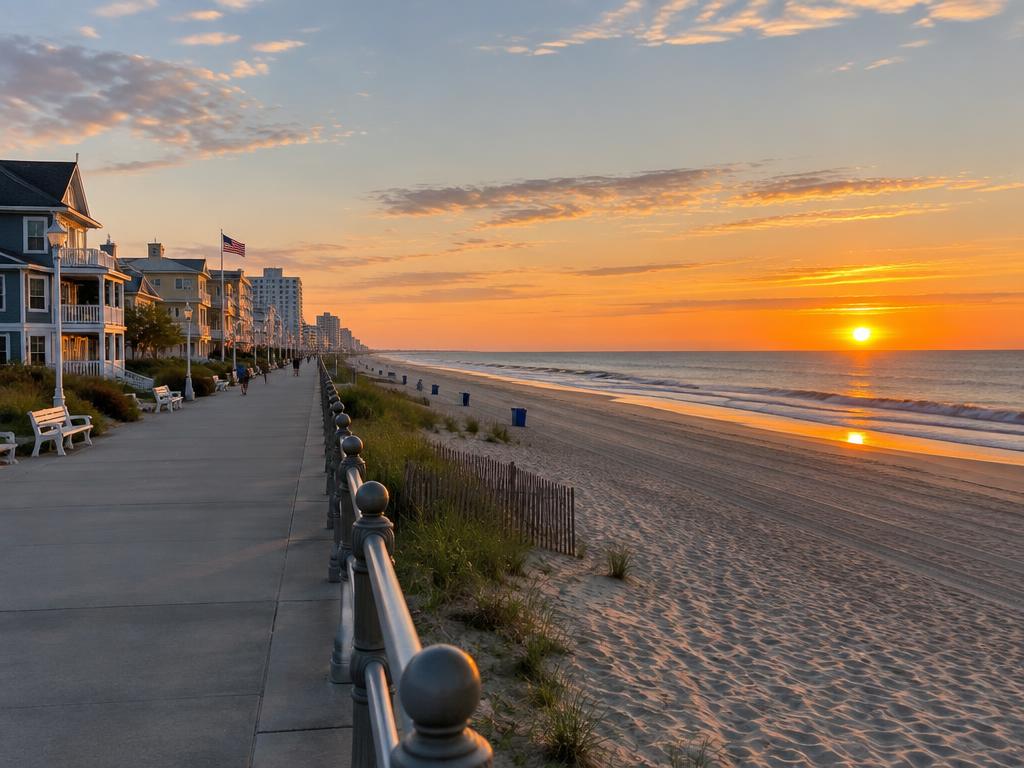
Sandbridge is unlike anywhere else in Virginia Beach. It's a narrow strip of land between the Atlantic Ocean and Back Bay, about 20 minutes south of the resort strip, and it feels like its own small beach town rather than a neighborhood of the city. If you want quiet dunes, a slower pace and a real separation from the boardwalk crowds at the Oceanfront, this is where a lot of my buyers end up.
It also draws a very different kind of buyer than you'll find in Shadowlawn or the Oceanfront proper. Sandbridge buyers are usually looking at a second home, a vacation rental investment, or a full-time coastal retirement, and the housing stock, pricing and everyday rhythms here reflect that.
This guide covers the streets and sections, the housing stock, commutes, flood risk and insurance, HOA and civic league considerations, financing and how to write a competitive offer on a Sandbridge property. For the bigger picture on the city, see my Virginia Beach overview.
I'll be direct about the tradeoffs, too. Owning here means budgeting for flood insurance, storm exposure and, in many cases, managing a rental calendar. None of that should scare a serious buyer away, but you should go in with clear eyes rather than falling for the view alone.
Because inventory turns over slowly, I encourage serious buyers to set up saved searches and be ready to tour within a day or two of a new listing hitting the market, especially in the $700,000 to $1.5 million range where competition is strongest.
A Barrier Strip Between the Ocean and Back Bay
Sandbridge sits on a narrow barrier strip roughly 4.5 miles long, bordered by the Atlantic Ocean to the east and Back Bay to the west, with the Back Bay National Wildlife Refuge and False Cape State Park anchoring the south end. That geography is the whole story here: almost every lot is close to water on one side or the other, and a lot of homes have partial or full ocean views.
Because the strip is so narrow, there isn't much room for big-box retail or dense commercial development, which is part of the appeal. You get long stretches of dune grass and quiet beach instead of a commercial strip, but it also means everyday errands mean a short drive north toward Red Mill Commons or into the rest of Virginia Beach.
The refuge and state park at the south end also mean Sandbridge won't be extending further south, so the inventory here is essentially fixed. That scarcity is one reason well-located Sandbridge homes hold buyer interest even when the broader market slows down.
Sandpiper Road and the Shape of the Neighborhood
Sandpiper Road is the main spine running the length of Sandbridge, with side streets branching off toward the oceanfront or the bay side. Homes directly on Sandpiper or on the short streets between Sandpiper and the beach tend to command the highest prices and the strongest rental demand, since guests and buyers alike want to be within walking distance of the sand.
On the bay side, homes back up to canals, coves or Back Bay itself, and many have private docks. That's a different lifestyle than an oceanfront cottage: quieter, more focused on boating and fishing than on surf and sand, and often a bit more affordable for the same square footage.
I always walk buyers through both sides before we narrow in, because people often assume they want oceanfront until they experience how much more private and boat-friendly the bay side can feel.
Housing Stock: From 1970s Cottages to New Coastal Construction
Sandbridge's housing stock spans a wide range of eras. You'll find older cottages from the 1960s through the 1980s, many raised on pilings, alongside larger, newer coastal-contemporary homes built or substantially renovated since 2000 to modern hurricane and flood standards. Elevated construction, impact-resistant windows and reinforced framing are common in anything built or rebuilt in the last two decades.
Condos are part of the mix too, including complexes like The Sanctuary at False Cape, which appeal to buyers who want an easier-to-maintain option or a smaller footprint for a vacation property.
Because older pilings and framing were built to different codes than what's required today, I always want a full inspection that specifically evaluates the structure's elevation, tie-downs and moisture exposure, not just a generic home inspection checklist. An older cottage can be a great buy, but you need to know exactly what you're inheriting structurally before you commit.
Beyond the housing itself, buyers should think about how they'll actually manage the property day to day. Some owners handle their own bookings and maintenance, while others hire a local property manager who knows the Sandbridge rental calendar and can respond quickly when something needs attention between guest turnovers.
Second Homes, Rentals and Everyday Life
A large share of Sandbridge's housing stock functions as vacation rentals or second homes, which shapes the whole feel of the community. Summers bring a steady rotation of renters and visitors, while the off-season is markedly quieter, with a smaller core of year-round residents who like the trade-off of a busy summer for a peaceful winter.
If you're buying with rental income in mind, ask about existing rental history, any homeowner association or civic league rules on short-term rentals, and how the property has historically performed. I can connect you with local property managers so you go in with real numbers rather than assumptions.
Everyday life leans toward the outdoors: fishing, kayaking and paddleboarding on Back Bay, surfing and swimming on the ocean side, and trail access into the Back Bay National Wildlife Refuge and False Cape State Park for buyers who want more nature than nightlife.
Commutes: Sandbridge Road, Nimmo Parkway and the Bases
Sandbridge Road and Nimmo Parkway are the main routes connecting the strip to the rest of Virginia Beach, and General Booth Boulevard picks up from there toward the Oceanfront and I-264. It's a real drive, typically 20 to 30 minutes to the resort area or Town Center depending on traffic and season.
For military families, Naval Air Station Oceana and Dam Neck Annex are the closest installations, both a reasonably short drive north. Commutes to Naval Station Norfolk or the shipyards in Portsmouth are longer from here than from more central Virginia Beach neighborhoods, so if your work commute is a daily priority, drive it yourself at the time you'd actually be driving it before you commit.
Summer traffic on Sandbridge Road and General Booth can back up significantly on weekends, which matters if you're commuting daily rather than just heading to the beach for a getaway.
The wildlife refuge and state park also mean development pressure on the south end is essentially capped by federal and state land, which many owners see as a long-term positive for property values and for keeping the area's quiet character intact.
Flood Zones and Insurance: Plan for It Up Front
Flood risk isn't a footnote in Sandbridge, it's central to owning here. Much of the strip sits in FEMA-mapped flood zones given its position between the ocean and Back Bay, and I pull the flood map for the specific address before we ever write an offer.
If you're financing the purchase, your lender will require flood insurance, and premiums vary a lot based on the home's elevation, age and flood zone designation. An elevation certificate can make a real difference in your annual premium, so ask the seller for one if it exists, or budget for getting one during due diligence.
Run the actual numbers, including flood insurance, property insurance and any HOA dues, in my mortgage calculator before you fall in love with a listing. I'd rather you know your real monthly payment on day one than get surprised at closing.
HOAs, Civic Leagues and Local Rules
Some Sandbridge sections and condo communities have HOAs or a civic league with rules that can affect rental use, exterior changes, parking and dune access. Because so many properties here operate as rentals, it's worth reading any governing documents closely, especially rules around short-term rental permitting and any city regulations that apply specifically to this part of Virginia Beach.
I request HOA documents, budgets and any pending special assessments as part of due diligence, the same way I would with a condo purchase anywhere else in the city.
Buyers considering a fixer or an older cottage should also budget time, not just money, for permitting and inspections tied to flood-zone construction rules, since any major renovation in a mapped flood area can trigger requirements to bring the structure closer to current elevation standards.
Schools Serving Sandbridge Families
Even though Sandbridge is best known as a beach community, there are year-round families here, and it's zoned within Virginia Beach City Public Schools like the rest of the city. I cover which schools serve the area, grade spans and how to confirm your specific zoning in my separate Sandbridge schools guide, which is worth a look if you have kids or are buying with resale to families in mind.
Financing a Second Home or Investment Property Here
Financing looks different in Sandbridge than in a primary-residence neighborhood, since so many purchases here are second homes or investment properties. Second-home loans and investment-property loans typically require larger down payments and carry different rate structures than an owner-occupied conventional loan, so it's worth talking to a lender early about which category your purchase falls into.
If you are planning to live here full time, my guides to conventional loans, FHA loans for first-time buyers and VA loans cover the basics, though VA and FHA financing come with their own restrictions on rental use that matter a lot in a place like Sandbridge.
Whichever route you're taking, get pre-approved before we start touring, since well-priced Sandbridge listings, especially oceanfront and bay-side homes, tend to move fast.
It's also worth asking neighbors or the civic league about drainage and street flooding after heavy rain or nor'easters, since that kind of everyday water intrusion is different from storm surge but still affects daily life and insurance considerations.
Writing a Competitive Offer in a Tight Market
Inventory in Sandbridge is genuinely limited. The strip can't grow, and a meaningful share of what's here rarely comes up for sale, so desirable listings, particularly anything oceanfront, on Sandpiper Road, or with a private dock on the bay side, can draw multiple offers.
I look at recent comparable sales carefully before we set a number, factoring in flood zone, elevation, age of the roof and systems, and whether the home has an established rental track record. A strong offer here isn't just about price, it's about clean terms, a realistic inspection timeline and being ready to move quickly once we find the right property.
If you're relocating from out of the area for a second home or retirement, my relocating page and downsizing page walk through how I support buyers who can't be here for every step in person.
Because so many Sandbridge transactions involve out-of-town buyers, I build in extra time for virtual tours and remote inspections when needed, so distance never has to be the reason you miss the right property.