An Established, Close-In Pocket of Chesapeake
Georgetown, sometimes referenced by its subdivisions Georgetown Colony and Georgetown Point, sits in one of Chesapeake's more established, close-in areas near the Portsmouth city line. It's a quieter alternative to newer, faster-growing parts of the city, appealing to buyers who want a settled neighborhood with mature trees, an established housing stock, and quick access to I-464 and downtown Portsmouth and Norfolk.
Compared to newer construction farther south in Grassfield or Great Bridge, Georgetown homes tend to be older and more affordably priced, which makes this a strong option for first-time buyers and anyone looking for value in a convenient location. This guide covers the housing stock, commute, flood considerations, HOA situation, schools and financing here. For the wider picture, see my Chesapeake overview.
Georgetown Colony, Georgetown East and Georgetown Point each have their own character, and I always point that out early, since a buyer touring one section can get a very different feel than a buyer touring another just a few blocks away. Zip code 23325 covers most of Georgetown, and you'll see it referenced often in listings and school zoning.
If you're comparing Georgetown against Chesapeake's other close-in, established neighborhoods, I'm happy to tour a few side by side so you can feel the difference in lot size, home style and price before deciding where to focus your search.
Ranches and Colonials Built Over Several Decades
Georgetown's housing stock is a mix of ranch and colonial-style homes, with many built from the late 1960s through the 1990s [1](https://www.neighborhoodscout.com/va/chesapeake/georgetown-colony). You'll find one-story ranches on modest lots alongside larger two-story homes, and because the area developed steadily rather than in one single building boom, condition and updates vary a good deal from block to block.
Buyers should expect original systems in some homes and full renovations in others, sometimes on the very same street. I always walk buyers through what to prioritize inspecting given the era of construction, especially roofing, HVAC age, and any electrical panel updates on homes from the 1960s and 1970s.
Streets like Colonial Way, Tudor Place and Coachman Drive mix brick ranches from the 1970s with larger two-story colonials and even some newer townhome infill, so lot size and floor plan can vary block to block within the same subdivision. Prices here still run well below newer construction farther south, which is exactly why value-focused buyers and investors keep an eye on this neighborhood.
Because Georgetown developed steadily rather than all at once, I encourage buyers to ask for a full history of updates on any home they're serious about: roof replacement dates, HVAC age, water heater age and any electrical panel work. A seller's disclosure will cover some of this, but a direct conversation with the listing agent often fills in the gaps before you spend money on an inspection.
Getting Around: I-464, Portsmouth and Downtown Norfolk
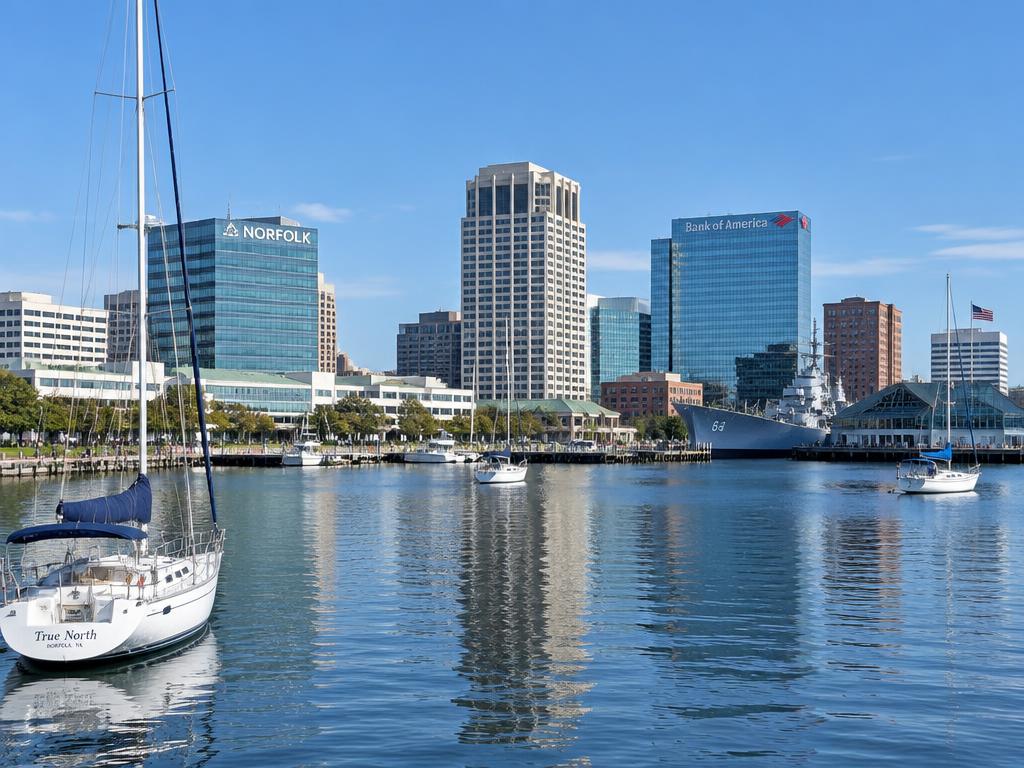
Georgetown's location near the Portsmouth line makes it a genuinely convenient spot for commuters. I-464 is close by, connecting quickly to downtown Norfolk, and Portsmouth's Churchland and downtown areas are just a short drive away as well. That makes this a popular choice for buyers who work in Norfolk or Portsmouth but want Chesapeake's tax rates and schools.
If your commute runs toward Naval Station Norfolk, the Norfolk Naval Shipyard, or downtown offices in either city, this is one of the shorter drives available in Chesapeake. As always, I recommend driving your actual route at rush hour before committing, especially if bridge-tunnel or downtown traffic factors into your day. My relocating page and PCS/military page cover planning a move here.
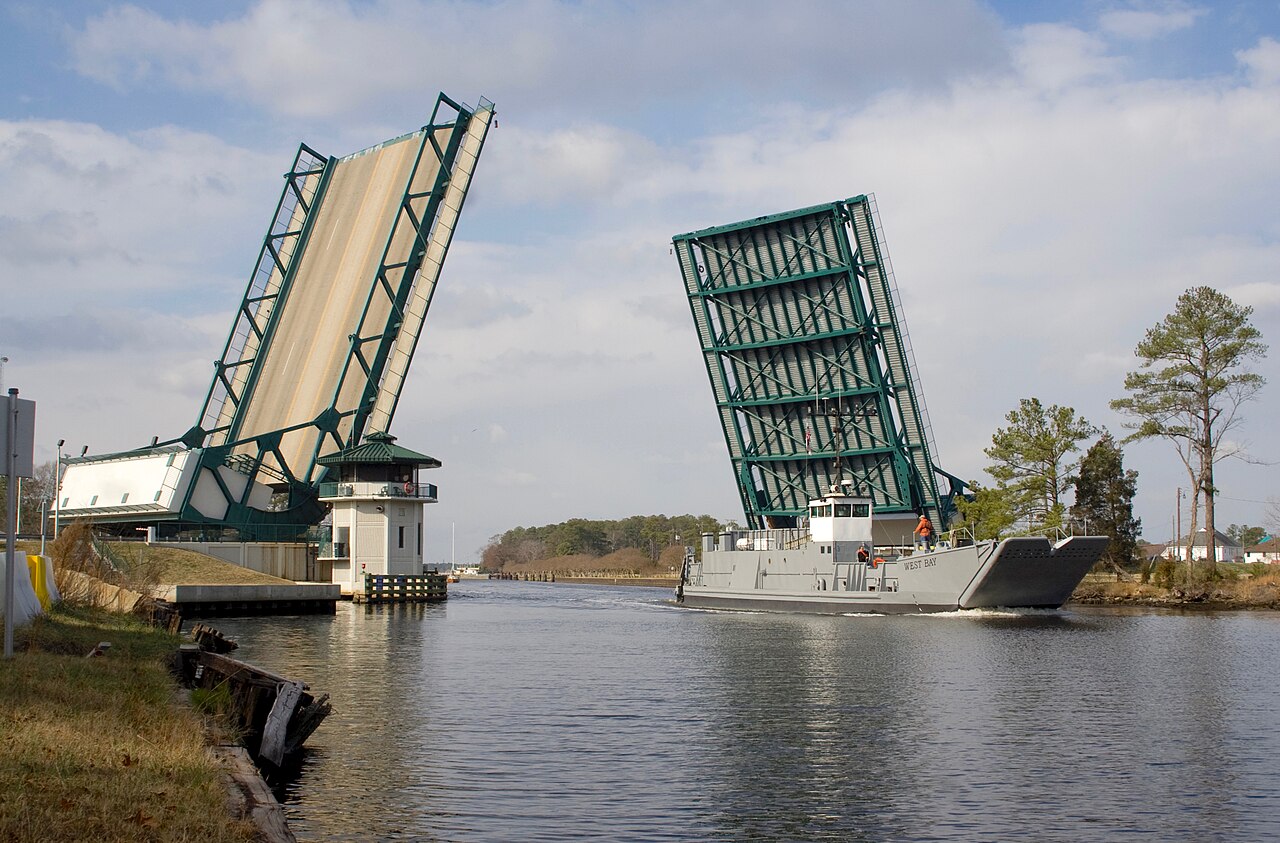
Some Georgetown residents also route toward the South Norfolk Jordan Bridge for a no-tunnel path to Norfolk Naval Shipyard and Naval Station Norfolk, which can save real time compared to fighting downtown tunnel traffic during peak hours.
Public transportation options are limited in Georgetown, as in most of Chesapeake, so plan around driving for work and errands unless you're specifically looking at a route served by Hampton Roads Transit.
Everyday Life and Nearby Neighborhoods
Georgetown residents have easy access to shopping and dining along nearby commercial corridors, plus quick trips into Portsmouth's Olde Towne or over into Norfolk. It's a quieter, more residential feel than the busier retail corridors near Greenbrier, which some buyers specifically prefer.
The area borders other established Chesapeake neighborhoods like South Norfolk and Western Branch, so it's worth touring more than one of these close-in neighborhoods to compare pricing, lot sizes and commute times before deciding.
Portsmouth's Churchland Bridge shopping corridor and the shops along George Washington Highway are both close by, and Chesapeake's own Greenbrier retail district is a reasonable drive north if you want a bigger selection of stores and restaurants. That combination of quiet residential streets with several shopping options nearby is part of Georgetown's everyday appeal.
Georgetown doesn't have the big master-planned amenity packages you'll find in newer Chesapeake developments, but residents make good use of nearby city parks and the mature, tree-lined streets themselves for walking and biking. Its close-in location also means a short drive to Portsmouth's City Park and waterfront areas along the Elizabeth River for anyone who wants open space or water access without leaving the immediate area.
Because the neighborhood is well established, most errands, groceries, pharmacies and everyday shopping are a quick trip away rather than a long drive, which is part of what draws buyers who want convenience without paying a premium for brand-new construction.
I also check whether a specific street has a history of drainage complaints with the city, since older Chesapeake neighborhoods built before modern stormwater standards can see localized street flooding during heavy rain even outside a mapped flood zone. That's a separate issue from FEMA flood zone status, and it's worth asking neighbors and the seller about directly during a showing.
Who Tends to Buy in Georgetown
I see a real mix of buyers here: first-time buyers stretching their budget as far as it goes, investors drawn to the lower price point and rental demand near Portsmouth and Norfolk, and move-up buyers who want a bigger lot or extra bedroom than they can get for the same money in Greenbrier or Great Bridge.
Downsizing buyers also show up in Georgetown fairly often, especially those who grew up in or near Portsmouth and want to stay close to family and familiar routines while trading a larger, older home for something more manageable. My downsizing page walks through how I help buyers making that kind of move.
Buyers relocating for a Portsmouth or Norfolk-based job also gravitate here because it shortens the commute noticeably compared to living farther out in Chesapeake, without giving up the city's schools and lower tax rate.
Flood Zones and Water Considerations
Given Georgetown's proximity to the Elizabeth River and Portsmouth's waterways, flood zone status varies by specific address, with some streets sitting in mapped flood zones and others on higher ground. I pull the FEMA flood map for any property before writing an offer and ask sellers directly about past water intrusion or insurance claims.
If a home requires flood insurance, that changes your real monthly payment, so I recommend running the numbers early using my mortgage calculator rather than being surprised at closing.
I also want a home inspector to specifically check crawl space moisture, grading around the foundation and gutter drainage on any older Georgetown home, since those details matter as much as the official flood zone designation when it comes to avoiding water problems down the road.
Flood insurance quotes can vary quite a bit even between two similar homes a few blocks apart, so I encourage buyers to get an actual quote for a specific address early in the process rather than estimating based on a neighbor's policy.
HOAs in Georgetown
HOA presence in Georgetown varies by specific subdivision and even by street, with some sections carrying modest monthly dues and others having no HOA at all. I confirm HOA status, dues and any rules for every property we tour, since that detail affects your total monthly cost and what you can and can't do with your own home and yard.
I always pull the actual recorded documents rather than relying on a listing agent's summary, since restrictions on fences, sheds, parking and rentals can matter a great deal depending on whether you plan to live in the home yourself or hold it as a rental.
A handful of Georgetown streets have no HOA at all, which appeals to buyers who want more flexibility with things like parking a boat or RV, fencing choices or renting the home out down the road, so it's worth asking specifically if that flexibility matters to you.
Renovation Potential and What to Budget For
Because so many Georgetown homes date to the 1960s through the 1990s, buyers who want to modernize a kitchen, open up a floor plan or update a bathroom will find plenty of candidates here at a price point that leaves room in the budget for that work. I walk buyers through realistic renovation costs before we write an offer, so the purchase price plus planned updates still makes sense compared to buying something already updated.
Roofs, HVAC systems and water heaters are the big-ticket items I check first on any home built before the 2000s, since replacing any of those shortly after closing can be a real budget surprise. A pre-offer conversation with your lender about how much cash you'll have left after closing costs and a down payment helps set realistic expectations for what you can also put toward updates in year one.
Schools Serving Georgetown
Georgetown is generally served by Georgetown Primary School, Indian River Middle School, and Indian River High School [2](https://www.schooldigger.com/go/VA/schools/0081000299/school.aspx), though attendance zones should always be confirmed for your specific address with Chesapeake Public Schools. I cover this in more detail in my Georgetown schools guide.
Families relocating specifically for schools should compare Georgetown's zoned schools against options in neighboring Western Branch or farther south in Chesapeake before settling on a neighborhood, since school boundaries don't always follow neighborhood lines.
Financing Your Purchase
Georgetown's mix of price points makes it workable for a range of financing options, from FHA loans for first-time buyers to VA loans for military and veteran buyers to standard conventional financing. Because some homes here need updating, I also talk through renovation loan options with buyers who want an older home but plan to modernize it over time.
Because Georgetown's price points sit below much of the rest of Chesapeake, it's also a realistic starting point for buyers using down payment assistance programs or gift funds toward a down payment, and I'm happy to walk through what documentation your lender will need for either.
Writing a Competitive Offer
Because Georgetown homes vary so much in condition even on the same block, pricing and offer strategy depend heavily on recent, truly comparable sales rather than a simple neighborhood average. I dig into recently sold comps street by street and factor in updates, systems age and lot specifics before recommending a number.
In a competitive situation, a clean offer with a reasonable timeline and clear financing often beats a slightly higher price with more contingencies. My home buyer checklist is a good next step once you're ready to start touring.
If you're relocating from out of the area and can't tour in person right away, I can walk a property with you over video and pull comparable sales so you're ready to move quickly once you do see it in person, which matters in a neighborhood where well-priced, updated homes don't sit long.