Why Buyers Are Drawn to South Norfolk
South Norfolk is one of the oldest, most character-filled parts of Chesapeake, and it draws a different kind of buyer than the newer subdivisions farther south and west. If you want a walkable street grid, front porches, mature trees and a real sense of place instead of a cookie-cutter cul-de-sac, this is one of the few Chesapeake neighborhoods that gives you that.
It's also one of the most affordable ways into a close-in location with river views and quick access to downtown Norfolk. Compared to the newer construction you'll find in Great Bridge or Western Branch, South Norfolk homes tend to be older, smaller and priced accordingly, which is exactly what makes them attractive to first-time buyers, investors and anyone who wants to renovate a home with real bones.
This guide walks through the history, the housing stock, the commute, flood considerations, older-home inspection issues, financing and how to write a competitive offer here. For a wider view of the city, see my Chesapeake overview.
I also find that South Norfolk buyers tend to be more decisive once they've toured in person, since photos rarely capture what an original front porch or a tree-lined block actually feels like. If you're the kind of buyer who cares about a home's story as much as its square footage, this is one of the few places left in Chesapeake where that story is baked into nearly every block.
A Neighborhood With Its Own History
South Norfolk was its own independent city until 1963, when it merged with Norfolk County to form the City of Chesapeake. That history is still visible everywhere you look. Street names, older municipal buildings and the tight, gridded layout of the neighborhood all reflect a town that grew up on its own, around the Elizabeth River's Southern Branch and its shipyards and industry, rather than as a planned suburb.
Because it was a self-contained city with its own downtown, South Norfolk has an authenticity you don't find in neighborhoods built after the 1960s. Buyers who care about history and walkability often tell me this is the only part of Chesapeake that reminds them of older Norfolk or Portsmouth neighborhoods, but at a friendlier price point.
I like giving buyers this context before we tour, because it explains a lot about what you'll see on the ground: narrow lots, alleys, sidewalks and a mix of home styles built over many decades rather than in a single building boom.
The Historic District and Older Home Styles
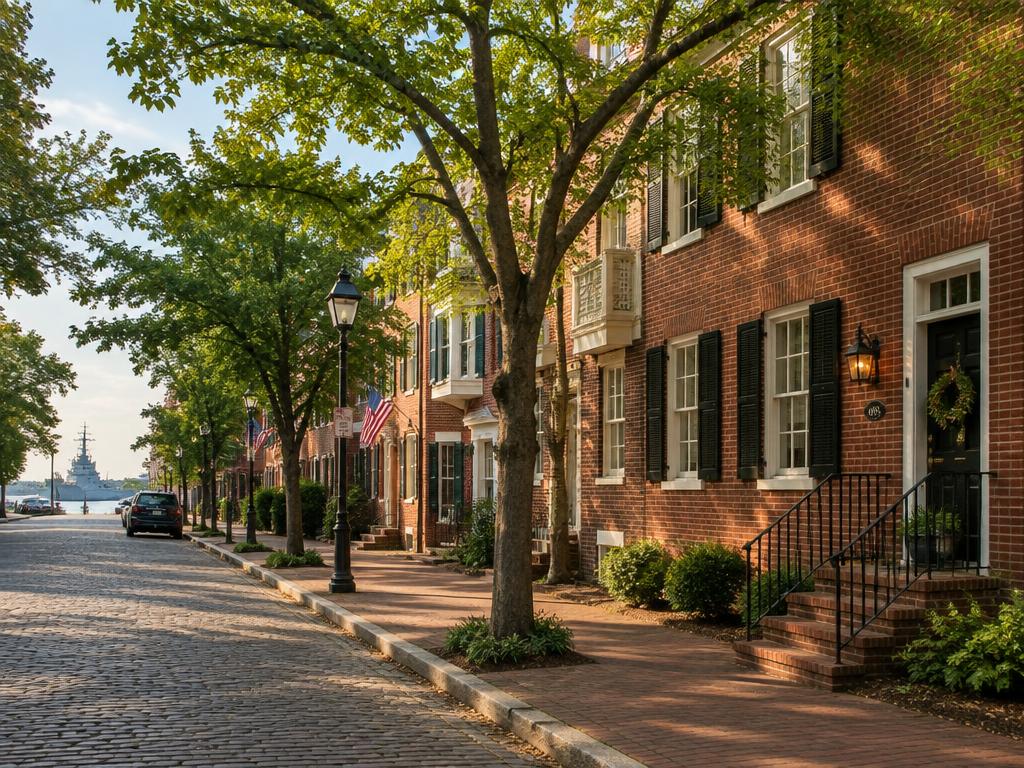
A good chunk of South Norfolk sits within a recognized historic district, and the housing stock reflects a real range of early-to-mid-20th-century styles. You'll find Victorians with detailed trim and tall windows, American Foursquares, Craftsman bungalows with deep front porches, and small cottages built for shipyard and industrial workers in the early 1900s.
No two blocks look quite the same. Some streets have larger two-story homes with generous lots, while others are lined with modest one-story cottages close together. That variety is part of the appeal, but it also means pricing and condition can swing a lot from house to house, even on the same street.
If you love old-house character, that trim work, hardwood floors and high ceilings, this is one of the best places in Chesapeake to find it. If you'd rather have a move-in-ready home with no maintenance surprises, I'll help you be honest with yourself about how much of that character you actually want to take on.
Because these homes were built over such a long stretch of time, you'll also see a real mix of lot sizes and setbacks even within the historic district. Some buyers prefer a deep, private backyard while others want to be close to neighbors on a walkable block, so it's worth touring more than one style before deciding what actually fits how you live.
Poindexter Street, 22nd Street and the Old Downtown Core
The area around Poindexter Street and 22nd Street is the historic heart of old South Norfolk, once the commercial downtown of the independent city. Many of the neighborhood's oldest and most architecturally distinct homes sit within a few blocks of this core, an easy walk to what remains of the old commercial strip.
Buyers who tour this pocket are usually looking for that classic old-neighborhood feel: sidewalks, small setbacks, big shade trees and homes with genuine age and detail. It's worth walking the blocks at different times of day, since some streets here are quieter and more residential while others sit closer to commercial and industrial uses left over from the area's working-city past.
As with any older core neighborhood, I encourage buyers to look closely at how individual homes have been maintained, since age alone doesn't tell you much. A well-kept 1920s cottage can be a better buy than a newer home that's been neglected.
Life Along the Elizabeth River and Lakeside Park
South Norfolk's identity is tied to the Southern Branch of the Elizabeth River, which runs along the neighborhood and has shaped its industry, its shipyards and its street layout for well over a century. Some streets and homes offer water views or easy access to the shoreline, which is part of what draws buyers who want that industrial-waterfront feel you don't get in Chesapeake's newer, more inland neighborhoods.
Lakeside Park is one of the neighborhood's green spaces and a good example of the smaller, older city parks you'll find scattered through South Norfolk, a nice contrast to the more built-out programming you'd find in a newer part of the city.
If waterfront access or river views matter to you, tell me early, since these properties come up less often and are usually snapped up quickly by buyers who know exactly what they're looking for.
Commutes: I-464, the Jordan Bridge and the Naval Bases
South Norfolk's location is one of its biggest draws for commuters. I-464 runs right along the neighborhood's edge, connecting quickly to downtown Norfolk and I-64. Many South Norfolk residents also use the Jordan Bridge to cross the Southern Branch and reach Portsmouth and Norfolk without going near I-64 traffic at all.
That combination makes South Norfolk one of the shortest commutes in Chesapeake to Norfolk Naval Shipyard, Naval Station Norfolk and downtown Norfolk offices. Military and shipyard families in particular tell me they chose South Norfolk specifically to cut their drive time.
If you're relocating for work or orders, drive the actual commute at the time of day you'll make it before you commit. My relocating page and PCS/military page cover how I help buyers moving from out of town or off orders.
Flood Zones and Water Considerations
Because South Norfolk sits along the Elizabeth River's Southern Branch and was developed over a century ago, flood risk is something every buyer here needs to check, not assume. Some streets and low-lying blocks fall within FEMA flood zones, while others sit on higher ground just a few blocks away.
I pull the FEMA flood map for the specific address before we write an offer, and I ask sellers directly about past water intrusion, drainage issues and any flood insurance claims. If a home is in a mapped flood zone and you're financing it, your lender will require flood insurance, and that changes your real monthly payment. Run the numbers in my mortgage calculator so there are no surprises.
During the inspection, pay close attention to the crawl space, foundation, gutters and grading. Older homes here were often built before modern drainage standards, so water management is one of the first things I want an inspector to evaluate.
What to Expect on Older-Home Inspections
Buying a home built in the early-to-mid 1900s means going in with eyes open about what inspections commonly find. Lead-based paint is common in homes built before 1978, and federal law requires specific disclosures about it. Older wiring, including knob-and-tube systems in homes that haven't been fully rewired, is another item I ask inspectors to flag clearly.
Foundations deserve special attention in South Norfolk given the age of the homes and the proximity to the river. I want to know about settling, moisture intrusion and any prior repairs, along with the age and condition of the roof, plumbing and HVAC systems.
None of this should scare you away from an older home. It just means budgeting for it up front, negotiating repairs or credits where it makes sense, and going in with realistic expectations rather than assuming a charming exterior means everything behind the walls is in equally good shape.
Everyday Life: Shopping, Dining and Getting Around
Because South Norfolk grew up as its own city rather than a suburb, it has a more walkable, grid-based layout than most of Chesapeake. Sidewalks, corner lots and short blocks make it easy to walk to a neighbor's porch or down to a corner store in a way that newer, curving subdivision streets rarely allow. That walkability is one of the quieter reasons buyers fall for this neighborhood once they've actually spent time on the ground here rather than just scrolling listings.
For groceries, larger shopping and chain restaurants, most residents head a short drive north into Norfolk or south toward other parts of Chesapeake, since South Norfolk itself is mostly residential with pockets of small commercial and industrial use left from its working-city history. That tradeoff, less retail at your doorstep in exchange for a shorter overall commute and lower prices, is one I talk through with every buyer considering this neighborhood.
If day-to-day convenience matters more to you than character and commute time, it's worth comparing South Norfolk against a more built-out area like Greenbrier before you settle on a neighborhood.
Renovation Loans and Budgeting for Updates
Because so much of South Norfolk's housing stock predates 1978, and plenty of it predates 1950, many buyers end up financing at least some renovation work alongside the purchase. Renovation loan programs, including options tied to FHA and conventional financing, let you roll the cost of eligible repairs or updates into a single mortgage rather than paying out of pocket right after closing.
These loans come with more paperwork than a standard purchase, including contractor bids and inspections during the renovation process, so I build extra time into the closing timeline whenever a buyer is going this route. It's a useful tool for a buyer who wants an older South Norfolk home's character but doesn't want to save up separately for a new roof, updated electrical or a kitchen remodel before moving in.
Whether or not you use a renovation loan, I encourage every buyer here to get contractor estimates on any major visible project before writing an offer, not after, so the number you're comfortable paying already reflects the real cost of the work ahead.
Financing an Older South Norfolk Home
South Norfolk's price points and older housing stock make it a realistic option for first-time buyers, and VA and FHA loans both work here, which matters given how many military and shipyard families move through this part of Chesapeake. My guides to VA loans, FHA loans and conventional loans explain how each program works.
Older homes can raise appraisal and underwriting questions that newer homes don't. VA and FHA appraisers will flag peeling paint, missing handrails, exposed wiring and other safety issues, and those items typically have to be resolved before closing. If a home needs more work than a standard loan allows for, a renovation loan that rolls repair costs into the mortgage can be worth exploring with your lender.
First time through the process? My first-time buyer checklist and first-time buyers page walk through each step so you know what's coming.
Writing a Competitive Offer in South Norfolk
Well-priced, well-maintained homes in South Norfolk's historic pockets can move fast, especially when buyers are specifically hunting for older-home character at an accessible price. On the other hand, homes that need significant work often sit longer and leave more room to negotiate.
Because condition varies so much street to street and even house to house, I study recent sales on the same or nearby blocks before we set a number, rather than relying on a broad neighborhood average. A strong offer here usually means a solid pre-approval, a realistic inspection period given the home's age, and clear communication with the seller about timeline.
If you're also selling a home as part of this move, my South Norfolk seller's guide explains how I coordinate both sides of the transaction. And if schools are part of your decision, see my breakdown of schools serving South Norfolk before you commit to a street.