Why Buyers Keep Circling Back to Larkspur
Larkspur sits right in the heart of Virginia Beach's Kempsville area, and it's one of those neighborhoods that quietly checks every box for a certain kind of buyer: established streets, mature trees, a real mix of housing styles, and a location that puts you close to almost everything without putting you on top of a busy corridor. If you're weighing Larkspur against newer construction farther south in Landstown or a more waterfront-driven search in Little Neck, it helps to understand what makes this particular pocket of Kempsville tick.
The neighborhood was developed by Clarence Byler starting in the 1950s, after he noticed the new Kempsville Greens golf course going in near Princess Anne Road, not far from where he was already building homes. That's not a minor footnote either, it explains almost everything about how Larkspur looks and feels today, from its street layout to its street names.
Buyers who come to me looking at Larkspur usually want an established, tree-lined neighborhood with real yards, a walk or short drive to Mount Trashmore Park, and a commute that doesn't eat their whole evening. This guide walks through the history, the housing stock, the commute picture, flood and insurance basics, HOA norms, schools, financing and how to actually win a home here. For the bigger picture on the city, see my Virginia Beach overview.
One thing I tell every Larkspur buyer up front: this is a neighborhood built in phases over several decades, so no two blocks are identical. Touring in person, rather than relying on photos alone, matters more here than in a newer, single-builder subdivision.
A Neighborhood Named for a Flower and a Friendship
Larkspur's history is more personal than most Virginia Beach neighborhoods. Developer Clarence Byler named the community after the larkspur flower on the suggestion of his friend and attorney, Edwin Kellam, and then turned around and named the neighborhood's main thoroughfare, Edwin Drive, after Kellam himself.
From there, the golf theme took over. Because Larkspur grew up next to the Kempsville Greens golf course, many of its streets carry golf-related names, and a handful even honor specific golfers of the era, think Sam Snead Lane, Bob Jones Drive and Tony Lema Lane. If you're touring the neighborhood for the first time, that street-naming pattern is a fun way to get your bearings.
I like sharing this backstory with buyers because it explains why Larkspur feels more personal and less corporate than some of the planned communities built decades later. It was one family's vision, built out gradually, rather than a single master-planned phase.
Housing Stock: Ranches, Traditionals and a Few Surprises
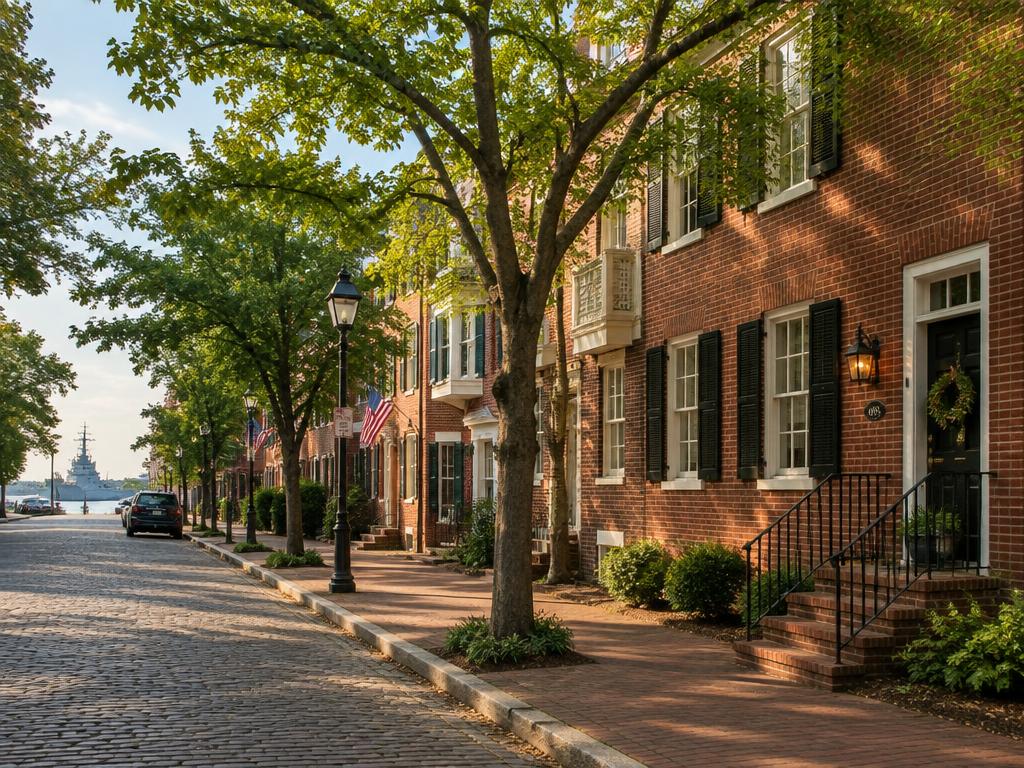
Most of Larkspur's homes were built from the 1950s through the 1990s, which gives the neighborhood a real mix of architectural styles. You'll find classic brick ranches from the earliest phases of development, traditional two-story homes from the 1970s and 80s, and the occasional larger or updated property mixed in among them.
Lot sizes vary block to block, with some homes sitting on generous, tree-shaded lots well over a quarter acre and cul-de-sac lots that back up to mature woods. Because the homes were built over several decades rather than all at once, condition varies a lot too. Some houses have been meticulously updated with newer roofs and systems, while others are original and priced to reflect the work a buyer will need to do.
That range is actually part of Larkspur's appeal. First-time buyers can often find an entry point here that would be out of reach in a newer neighborhood, while buyers looking to renovate can find good bones on a bigger lot. Compare that with Kempsville, which spans a similarly wide range of eras and price points just next door.
Location: Princess Anne Road, Mount Trashmore and Town Center
Larkspur sits close to Princess Anne Road and the broader Kempsville corridor, which keeps you within easy reach of shopping, restaurants and daily errands without living directly on a commercial strip. Mount Trashmore Park, one of the city's most-used green spaces with its walking trails, playgrounds and skate park, is essentially in the neighborhood's backyard.
Virginia Beach Town Center, with its mix of shops, restaurants, offices and entertainment, is only about two miles away, an easy drive for dinner out or weekend errands. Access to Interstate 264 is roughly a mile down Independence Boulevard, which is one of the more useful commuter connections in this part of the city.
For buyers who want walkable green space and quick highway access without living in a resort-driven part of town, this combination of Mount Trashmore, Town Center and I-264 is a big part of why Larkspur keeps its resale appeal.
Larkspur's ZIP code, 23462, spans a wide swath of central Virginia Beach, so when you're researching online, cross-check any data by neighborhood rather than ZIP code alone, since ZIP-level statistics can mix in areas that don't share Larkspur's specific character or price range.
Commutes: I-264, Independence Boulevard and the Bases
Larkspur's central location makes it a genuinely practical commuter neighborhood. I-264 access via Independence Boulevard gets you moving toward the Oceanfront, Norfolk and the interstate system quickly, and the Kempsville area overall sits close to several of the city's main east-west and north-south routes.
For military families, Larkspur's central position means a workable drive to Naval Air Station Oceana, Joint Expeditionary Base Little Creek-Fort Story, and, via I-264 and I-64, the Norfolk bases and the Hampton Roads Bridge-Tunnel. None of those commutes are instant, this is still a car-dependent part of Hampton Roads, but Larkspur's location keeps most of them reasonable.
If you're relocating for orders or a new job, I always recommend driving your actual commute at the time of day you'll make it before writing an offer. My relocating page and PCS/military page cover how I support buyers moving from out of the area.
Flood Zones, Drainage and Insurance Basics
Virginia Beach as a whole has areas of real flood exposure, and while Larkspur isn't defined by waterfront risk the way some southern and coastal neighborhoods are, low-lying stretches near creeks and drainage channels anywhere in the city can carry flood zone designations. I pull the FEMA flood map for the specific address on any home you're considering, rather than assuming based on the neighborhood's general reputation.
If a home falls in a mapped flood zone and you're financing it, your lender will require flood insurance, which changes your real monthly payment. Run those numbers early using my mortgage calculator so there are no surprises at the closing table.
I also ask sellers directly about drainage, past water intrusion and any insurance claims, and during the inspection I want eyes on grading, gutters and the crawl space. Older homes in an established neighborhood like this one deserve that extra layer of scrutiny.
HOA Structure and Everyday Life
Larkspur is an older, organically developed neighborhood rather than a single-builder, deed-restricted community, so HOA structures and dues can vary depending on the specific section you're looking at. Some pockets have an active civic league focused on community events and upkeep, while others have no formal association at all. I confirm the exact structure, dues and any restrictions for each property before you write an offer.
Day to day, Larkspur residents lean on nearby Mount Trashmore for recreation, the shops and restaurants along Princess Anne Road and Kempsville Road for errands, and Town Center for a night out. It's a genuinely convenient, lived-in neighborhood rather than a resort or destination area, which is exactly what a lot of buyers are looking for.
If a formal HOA and its amenities matter to you, tell me early in the search so we can prioritize the right pockets of the neighborhood.
Kempsville Greens Golf Course itself remains open to the public along Princess Anne Road, so if golf is part of your lifestyle, living in Larkspur puts you within a short drive, and in some cases within walking distance, of a round.
The Larkspur Swim and Racquet Club and Civic Life
Since the 1960s, Larkspur has been home to a close-knit community organized around the Larkspur Civic League and the neighborhood's own community pool, the Larkspur Swim and Racquet Club, located next to Kempsville Meadows Elementary. Membership is optional rather than mandatory, but it's a real hub of neighborhood social life in the summer months, and it's one more reason families tend to stay in Larkspur long-term rather than moving on after a few years.
The civic league also holds regular meetings and helps maintain the character of the neighborhood, from its mature, tree-lined lots to its overall upkeep. If community involvement matters to you, this is a neighborhood where it's easy to get plugged in quickly.
Nearby Neighborhoods to Compare
If you're touring Larkspur, it's worth also seeing Kempsville itself, which shares the same central location and a similarly wide range of home eras and price points, and Great Neck farther east if water access and a bit more distance from the interstate matter to you.
Buyers looking for newer construction sometimes cross-shop Landstown toward the southern part of the city, though that comes with a longer commute to the Oceanfront and downtown Norfolk than Larkspur's central Kempsville location offers.
Schools Serving Larkspur
Larkspur is zoned to Kempsville Meadows Elementary, Larkspur Middle School and Kempsville High School within Virginia Beach City Public Schools, though Virginia Beach periodically adjusts attendance zones, so I always confirm the current assignment for a specific address before we tour.
I go into more detail, including how to verify zoning yourself and what I know about each school, in my separate schools in Larkspur guide. It's worth a read if schools are a priority in your search.
Financing Your Purchase
Larkspur's mix of price points makes it workable for a range of loan programs. Veterans and active-duty buyers often do well here with a VA loan, while first-time buyers frequently look at FHA financing on the neighborhood's more affordable ranch-style homes. Buyers with stronger credit and a larger down payment often land on a conventional loan instead.
Whichever route fits your situation, get pre-approved before we start touring older homes here, since financing on a property that needs repairs can require extra coordination with your lender. My home buyer checklist is a good place to start organizing that process.
Writing a Competitive Offer
Well-priced, well-maintained homes in Larkspur, especially those near Mount Trashmore or on the larger cul-de-sac lots, tend to move quickly and can draw multiple offers. Homes that need more updating typically sit a bit longer and give buyers more room to negotiate.
I help you figure out which situation you're in before we write anything: pulling recent comparable sales, understanding how a specific street or section has performed, and building an offer strategy, price, contingencies, timeline, that fits both the home's condition and how competitive that particular listing actually is.
Whether you're a first-time buyer, relocating from out of state, or looking to invest, my first-time buyers guide and investment buyers guide can help you think through strategy before we start touring.
What a Home in Larkspur Actually Costs to Own
Because Larkspur spans homes built across roughly four decades, condition drives price at least as much as square footage does. A well-maintained brick ranch on a smaller lot can be priced very differently from a larger, updated two-story on a wooded cul-de-sac just a few streets away, so I always pull comparables filtered by both era and condition rather than relying on a single neighborhood average.
Property taxes, any optional civic league or pool dues, and the age of major systems, roof, HVAC, water heater, are all worth factoring into your monthly budget alongside principal and interest. My mortgage calculator lets us model those numbers together once we've identified a few specific homes you're considering.