Why Little Neck Keeps Buyers Coming Back
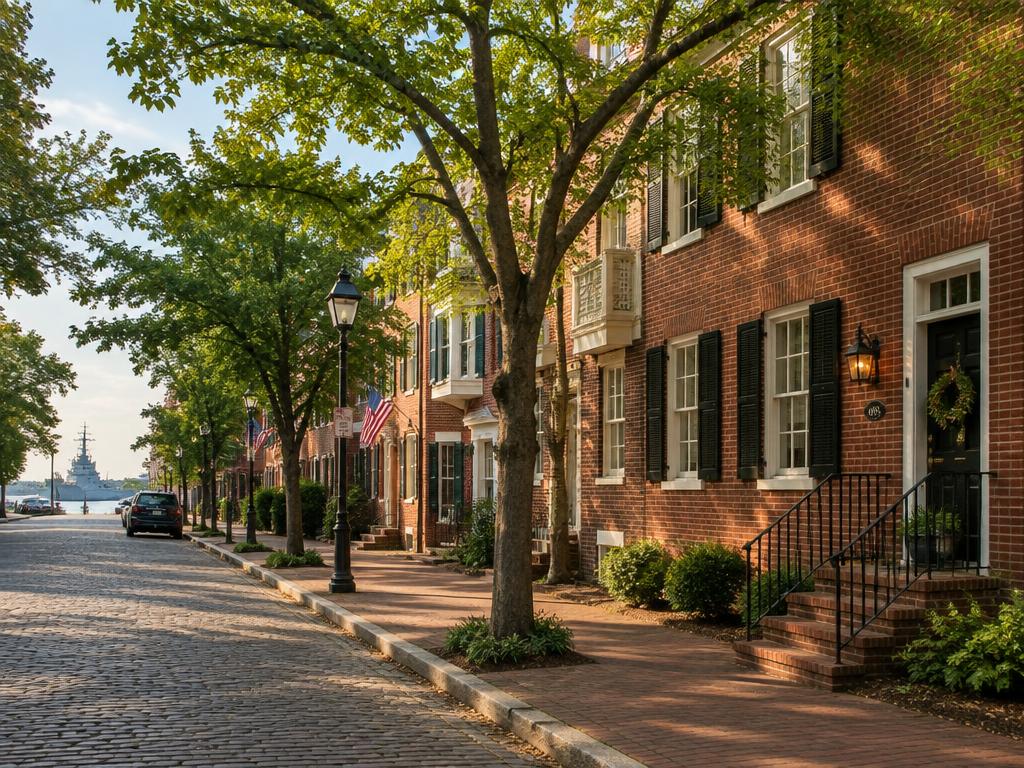
Little Neck sits on its own quiet peninsula between the Lynnhaven River and Little Neck Cove, and once you've driven the winding, tree-lined streets here it's easy to see why so many buyers cross the interstate to look at it. This isn't a subdivision that popped up in a single building cycle. It's an established, mid-to-late-20th-century neighborhood of mature trees, generous lots and a real sense of settled community.
Compared with the newer construction you'll find farther south in Kings Grant or the busier corridor around Great Neck, Little Neck feels a bit more tucked away, even though you're still minutes from Town Center, First Landing State Park and the Lesner Bridge. Buyers who want water access, established landscaping and a civic-league kind of neighborhood tend to gravitate here first.
This guide covers the streets and sections worth knowing, the housing stock and its age, commutes, flood considerations along the water, HOA and civic-league life, schools, financing and how to put together a competitive offer. For the bigger picture on the city, start with my Virginia Beach overview.
I've sold homes across Virginia Beach for years, and Little Neck is one of the few neighborhoods where clients tell me they can picture living for decades rather than treating the house as a stepping stone. That kind of long-term thinking changes how I advise buyers here: it's worth paying a little more attention to lot, layout and location because you may well be here for the long haul.
The Lay of the Land: Little Neck and Little Neck Cove
Little Neck is really two connected pieces: the broader Little Neck area north of Virginia Beach Boulevard, and Little Neck Cove, the waterfront section that wraps around the cove off the Lynnhaven River. Locals use the names somewhat interchangeably, but when you're touring, pay attention to which streets actually back up to water versus which ones simply sit near it.
The peninsula shape is part of what makes the neighborhood feel private. There isn't much through-traffic, because most roads eventually just loop back or dead-end near the water, which keeps things quiet even though you're close to some of the busiest retail in the city.
If waterfront or water-view lots matter to you, I walk clients through which streets have direct Lynnhaven or cove frontage versus which ones are a short walk or bike ride away, since the price difference between the two can be significant.
Because the neighborhood developed gradually over several decades rather than in one master-planned phase, no two blocks look quite alike. Some streets have wide, deep lots with mature azaleas and dogwoods; others are tighter and closer to Great Neck Road with easier access to shopping. I always suggest touring more than one pocket before deciding what fits your lifestyle, since the 'feel' can shift block to block even within the same overall neighborhood.
It's also worth noting that while the peninsula setting keeps through-traffic low, it does mean a few streets have only one way in and out. That's rarely an issue day to day, but it's something I flag for buyers thinking about resale or emergency access.
Housing Stock: Mostly Mid-Century, With Real Variety
Most homes in Little Neck were built from the 1960s through the 1980s, so you'll find a lot of brick ranches, split-levels and traditional two-story homes on lots that are noticeably larger than what's typical in Virginia Beach's newer neighborhoods. Mature oaks and other hardwoods line many streets, which gives the area a shaded, established look you can't manufacture in a newer subdivision.
Because the homes have been around for decades, condition varies a lot from house to house. Some have been fully updated with new kitchens, baths, roofs and systems, while others are original and priced to reflect the work a buyer will need to do. I always walk clients through recent permit history and any updates to the roof, HVAC and electrical before we get too attached to a house.
On the water and along the cove, you'll also find larger, custom-built homes, some quite substantial, that take advantage of the views and direct access. Those properties are priced very differently than the interior streets, so it helps to know early on whether water access is a must-have or a nice-to-have for your search.
A handful of newer infill homes have also gone up on lots where older houses were torn down, so you may tour a fully modern build sitting right next to a 1960s ranch. That mix can make comparable sales tricky to interpret without local context, which is exactly why I pull recent, truly comparable sales rather than relying on an automated estimate.
Garages, carports and driveway configurations also vary quite a bit by era, so if off-street parking or garage storage matters to you, walk the property in person rather than relying on photos alone.
Everyday Life: Town Center, Shopping and the Water
One of Little Neck's biggest draws is how central it is. Virginia Beach Town Center, with its restaurants, shops and Saturday farmers market energy, is just a few minutes away, and Great Neck Road puts you close to grocery stores, medical offices and everyday errands without having to fight oceanfront traffic.
The Little Neck Swim and Racquet Club has long been a hub of neighborhood social life, and the active civic league organizes community events throughout the year, which is part of why so many residents stay for decades rather than moving on after a few years.
For outdoor time, First Landing State Park and the Chesapeake Bay shoreline are a short drive north, and the Lynnhaven River itself offers kayaking, paddleboarding and boating right from the neighborhood for anyone with water access or a nearby launch.
Beyond Town Center, residents also make quick trips to the Pembroke area and the Lynnhaven Mall corridor for additional shopping, dining and services, and several well-regarded restaurants sit just outside the neighborhood along Independence Boulevard and Laskin Road. For buyers coming from out of state, I often suggest spending an afternoon just driving these corridors so you get a feel for how much everyday convenience is packed into a short radius here.
Getting Around: I-264, Independence Boulevard and the Oceanfront
Little Neck's location just off Independence Boulevard and near I-264 makes commuting to downtown Norfolk, the oceanfront resort area, or Naval Air Station Oceana fairly straightforward. Great Neck Road and Virginia Beach Boulevard are the main arteries connecting the neighborhood to the rest of the city.
For anyone commuting toward Norfolk or the tunnels, I always recommend driving the route yourself at the actual time of day you'd be commuting before writing an offer, since Hampton Roads bridge-tunnel traffic can vary a lot by season and hour. If you're relocating from out of the area or moving on military orders, my relocating page and PCS/military page walk through how I help buyers coordinate a move long-distance.
Because Little Neck sits roughly in the geographic middle of Virginia Beach, it works well as a base for households where one commuter heads toward Norfolk or the tunnels and another heads toward the oceanfront resort area or the Municipal Center. I encourage two-commuter households to map both routes before writing an offer, since the 'average' commute time for the neighborhood may not reflect either person's actual drive.
Flood Zones and Waterfront Considerations
Because Little Neck Cove and parts of the neighborhood sit directly along the Lynnhaven River system, flood zone status is something every buyer here needs to verify property by property rather than assume based on the neighborhood's reputation. Some interior streets sit on higher ground well outside any mapped flood zone, while homes directly on the cove or river can fall within FEMA-designated zones that require flood insurance if you're financing.
I pull the FEMA flood map for the specific address before we write an offer, and for any home with water frontage or a low-lying lot, I ask the seller directly about past water intrusion, drainage patterns and any prior flood insurance claims. Run flood insurance and total payment scenarios through my mortgage calculator so you know your real monthly number, not just the mortgage payment.
None of this should scare a buyer away from waterfront living here. It just means going in with accurate information rather than guessing, especially since flood insurance premiums can vary widely from one property to the next.
It's also worth asking your insurance agent for a firm quote before you're under contract, not after, especially on any home directly on the cove or river. Flood insurance costs can shift the true monthly cost of a waterfront home enough to change which house makes sense for your budget, and I'd rather you know that number before you fall in love with a specific address.
HOA, Civic League and Neighborhood Rules
Much of Little Neck is organized around an active civic league rather than a mandatory HOA in the strict sense, though some pockets and newer clusters may carry their own association with dues and architectural guidelines. Before you write an offer, I confirm whether a given property belongs to any association, what the dues cover, and whether there are restrictions on things like fences, docks, boat storage or exterior changes.
For waterfront homes, it's also worth asking about any bulkhead, pier or dock maintenance responsibilities and whether permits are current, since repairs on these structures can be a real cost down the line.
I also recommend asking the seller or listing agent for a copy of any governing documents and recent meeting notes, if an association exists, so you understand what's been discussed or planned before you commit. On streets without a formal HOA, the civic league still plays an active role in organizing community life, so plugging into it early is a great way to get to know your new neighbors.
Schools Serving Little Neck
Little Neck is generally served by Kingston Elementary, Lynnhaven Middle and First Colonial High School, though Virginia Beach City Public Schools redraws attendance lines from time to time, so I always confirm zoning for a specific address before we get attached to a house. I go into more detail, including how to verify your zone directly with the school division, in my Little Neck schools guide.
Families relocating from out of the area often ask me how school zoning compares with nearby neighborhoods like Great Neck or Kings Grant. Zone lines don't always follow neighborhood boundaries exactly, so even two homes a few streets apart can be zoned differently. I check this for every buyer before we tour, and I'd encourage you to do the same for any specific address you're seriously considering.
Financing Your Purchase
Whether you're using a VA loan, an FHA loan or conventional financing, the approach in Little Neck is the same as anywhere else in Hampton Roads: get fully underwritten before you start touring so you can move fast when the right house comes up. My VA loan guide, FHA loan guide and conventional loan breakdown cover the basics for each program, and my home buyer checklist walks through the whole process step by step.
If a home you love sits in a flood zone, talk to your lender early about how flood insurance will factor into your loan approval and your monthly payment, since it can affect how much home you actually qualify for.
Writing a Competitive Offer
Little Neck's mix of interior streets, cove-front lots and larger custom waterfront homes means pricing strategy really depends on the specific pocket you're targeting, and comparable sales can vary block to block. I pull recent sales for the exact street or section you're interested in rather than relying on neighborhood-wide averages, since a home two streets over with water access is not a fair comparison to an interior lot.
Because well-maintained homes with updated systems tend to move quickly here, I coach buyers to have their financing fully in order, know their true walk-away number ahead of time, and be ready to move within days, not weeks, once we find the right property. Whether you're a first-time buyer or a repeat move-up buyer, my first-time buyer resources and home buyer checklist can help you get organized before we start touring.
I also encourage buyers to think through their inspection strategy before we write, especially on older homes. Deciding in advance how you'll handle roof, HVAC or foundation findings, rather than reacting under pressure once a report lands, tends to lead to smoother, less stressful negotiations for everyone involved.
Working With a Local Agent in Little Neck
Little Neck's mix of interior and waterfront pockets, older and newer construction, and formal and informal association rules means local knowledge really matters here. I walk every buyer through the specific streets, flood considerations and school zoning for the homes they're seriously considering, rather than handing over a generic neighborhood overview.
If you're weighing Little Neck against nearby options, I'm also happy to compare it directly with Great Neck, Kings Grant or London Bridge so you can see how commute times, price points and housing stock differ across each.