Why Buyers Fall for the North End
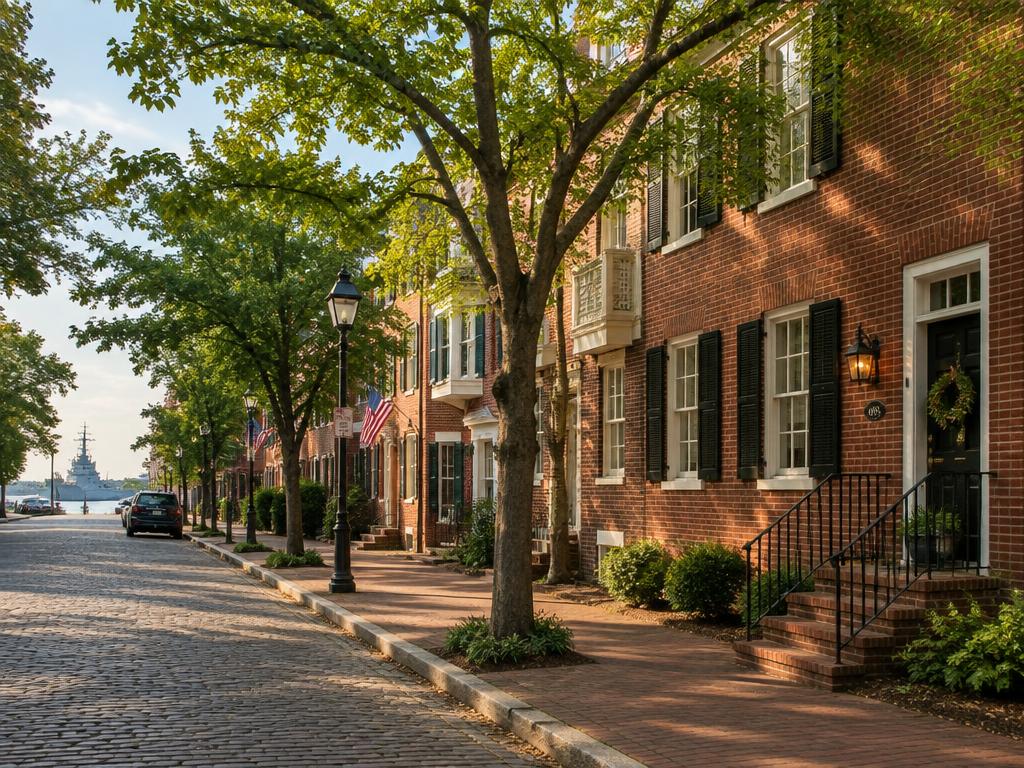
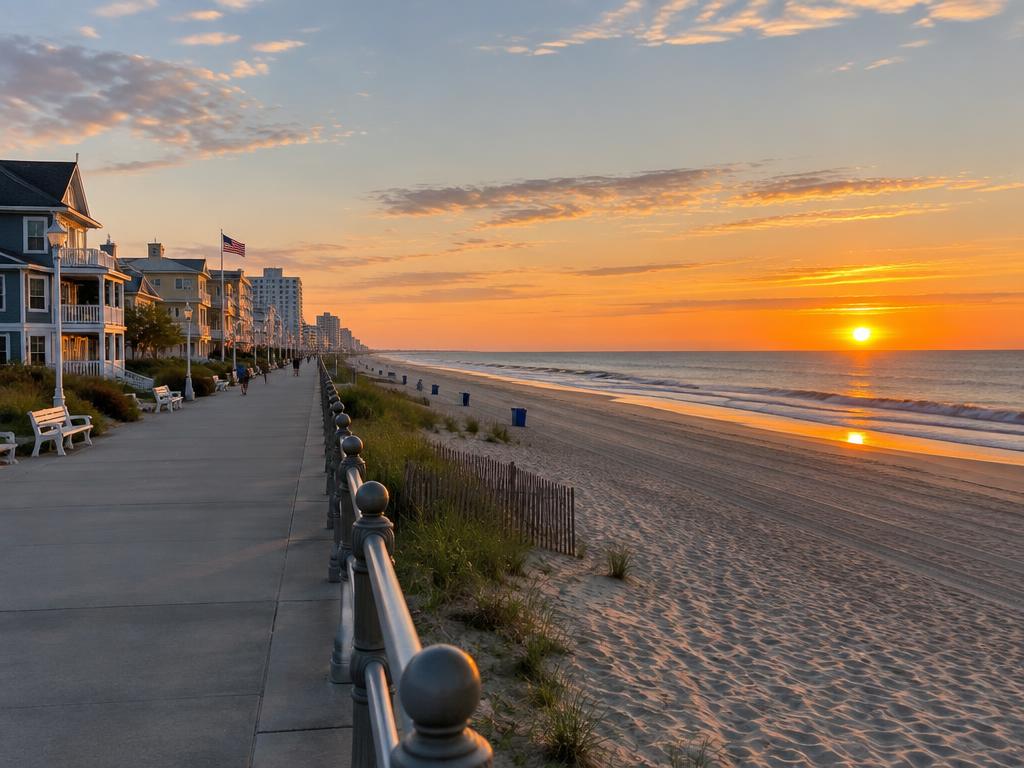
The North End is the part of Virginia Beach people picture when they imagine slowing down at the coast without giving up city amenities. Running roughly from 40th Street up to 89th Street at the edge of First Landing State Park, between the ocean and the Chesapeake Bay side streets, it's a quiet, tree-lined residential neighborhood of beach cottages and custom homes, not a resort strip. Atlantic, Pacific, Holly and Ocean Avenues run the length of it, and most streets dead-end into public beach access rather than traffic.
This is one of my favorite pockets of the city to work in because it rewards buyers who actually want to live here, not just visit. You won't find high-rise condos or a boardwalk crowd; you'll find porches, bikes leaning against fences, and neighbors who've been here for decades alongside newer families drawn in by the walk to the sand.
This guide covers the housing stock, flood and insurance realities, HOA and civic league dynamics, commutes, schools and how to put together a strong offer in a neighborhood where inventory is limited and demand is steady. For the broader picture of the city, see my Virginia Beach overview.
If you're comparing the North End to the busier resort strip a few blocks south, my Oceanfront buying guide walks through that contrast in more detail, and my Croatan guide covers a similar small residential beach pocket south of Rudee Inlet if you want another comparison point.
Wherever you land, I want you to understand the real trade-offs of coastal ownership here, cost, upkeep and flood exposure included, before you fall for a particular porch or view.
Cottages, Custom Homes and Teardown-Rebuilds
Housing stock in the North End is genuinely varied. You'll find original mid-century beach cottages, some dating to the early-to-mid 1900s, sitting on the same block as large custom-built homes finished in the last few years. Because lot values here are driven heavily by proximity to the water rather than existing structure size, teardown-and-rebuild has been common for years on some of the more desirable streets.
An older cottage can mean genuine character, mature landscaping and a lower price point, but often smaller rooms, dated systems and a lower elevation than current building code would require for new construction. A newer or rebuilt home typically means higher elevation, modern hurricane-rated windows and updated mechanical systems, at a higher price point.
Lot size and orientation vary quite a bit street to street, and being east of Atlantic Avenue versus west of it, or close to a beach access point versus a longer walk, meaningfully changes both price and daily life. I walk buyers through these differences on tour rather than relying on a listing sheet alone.
Whichever style you're drawn to, bring in a home inspector who specifically understands coastal construction. Salt air, wind exposure and age-related wear show up differently here than in an inland Virginia Beach neighborhood, and a generic inspection checklist can miss it.
Flood Zones, Elevation and Insurance
Most of the North End sits in or near a mapped FEMA flood zone, and any home in a Special Flood Hazard Area being financed will require flood insurance as a condition of the loan. That's a real, ongoing cost of owning here, and I make sure it's part of your budget from the first conversation, not a surprise at the closing table.
Before we write an offer, I pull the flood zone designation and, where available, the elevation certificate for the property, and I ask directly about prior flood claims or storm damage. A documented base flood elevation can materially change your insurance quote, sometimes by a lot, so it's worth getting real numbers early. Run your full monthly payment, including estimated insurance and taxes, through my mortgage calculator so you're working with one real number rather than three separate guesses.
Newer construction built to current elevation standards typically carries lower flood premiums than an older cottage at grade, which is worth weighing against the higher purchase price. I also encourage buyers to ask sellers directly about any past storm-related repairs, since disclosure requirements don't always capture everything a buyer wants to know.
None of this should scare off a serious buyer. It just means treating flood insurance and elevation the same way you'd treat price and square footage: real numbers to gather before you fall in love with a house.
Civic Leagues, Easements and Beach Access
Unlike the condo towers on the resort strip, most North End homes aren't governed by a traditional HOA. Instead, you'll often find civic leagues that maintain neighborhood beach access points, dune crossovers and shared easements, along with modest annual dues. It's worth understanding exactly what a civic league does and doesn't maintain before you buy, since expectations can vary block to block.
If a property backs to or shares a private beach access easement, I confirm exactly what rights come with the home, since not every North End lot has the same access, even a block or two apart.
I also check for any pending neighborhood improvement assessments, since beach access points and public infrastructure along the shoreline occasionally require capital repairs that get shared among nearby property owners.
None of this is complicated, but it's neighborhood-specific knowledge worth having before you write an offer, and I walk every North End buyer through it.
Everyday Life: Beach, Bay and First Landing
Life in the North End revolves around walking or biking to the sand rather than driving to it. Most homes are a few blocks from a public beach access point, and many residents lean on bikes and golf carts for short trips around the neighborhood, especially in summer when parking near the busiest access points gets tight.
First Landing State Park anchors the north end of the neighborhood with trails, camping and a quieter stretch of shoreline along the bay side, a real amenity for residents who want nature access without leaving the neighborhood. The historic Cavalier Hotel and its surrounding redevelopment sit near the southern edge of the North End and have brought renewed attention and investment to that part of the neighborhood in recent years.
For groceries and everyday errands, most residents head a few minutes inland toward Hilltop or the Marlin Bay area, since the North End itself is almost entirely residential with limited commercial space. Summer weekends bring tourist traffic to the nearby resort strip, which residents plan around rather than fight.
If you're relocating from farther away, I'd encourage a visit at different times of year, since the North End in July and the North End in January are genuinely different experiences, both worth seeing before you commit.
Commutes: Oceana, Norfolk and Beyond
The North End sits close to Naval Air Station Oceana, and a good number of residents are active-duty or retired military, or civilians who work at the base. If you're relocating on orders, my PCS/military page covers how I help buyers moving on a set timeline.
For downtown Norfolk or the tunnels toward Portsmouth and Hampton, plan on a real commute, generally 25 to 40 minutes depending on time of day, and longer during peak tourist season when traffic backs up along the main corridors leading out of the resort area. If you're moving from out of town, I'd encourage driving the actual commute at the time you'd make it before committing to a specific street. My relocating page has more on planning a move from a distance.
Jet noise from Oceana flight operations is also worth experiencing firsthand, at different times of day, since it varies by exact location and flight path within the neighborhood.
Schools
School zoning for the North End spans several elementary, middle and high school attendance areas depending on the exact address. I cover the schools most commonly associated with this neighborhood, along with verified ratings, in my North End schools guide. Always confirm zoning for a specific address directly with Virginia Beach City Public Schools before you write an offer, since boundary lines can be precise down to the street.
Financing a North End Purchase
Financing here has a few wrinkles compared with an inland Virginia Beach purchase. Flood insurance is often mandatory, and second-home or investment-property loans carry different down payment and rate requirements than a primary residence loan, which matters given how many North End homes are purchased as second homes.
My guides to VA loans in Hampton Roads, FHA loans for first-time buyers and conventional loans explained cover the basics of each program; from there, I connect you with a lender who specifically understands coastal and second-home financing in this part of Virginia Beach.
Appraisals on unique coastal properties, especially older cottages or heavily customized rebuilds, can also take longer and require an appraiser familiar with near-waterfront value, so build a little extra time into your closing timeline.
Writing a Competitive Offer
North End inventory is limited by nature of the neighborhood's size, and well-located homes, especially those close to a beach access point or on a quiet interior street, can draw multiple offers, particularly in spring and early summer. Cash and strong pre-approvals carry real weight here, since sellers want certainty on a purchase with more moving parts than a typical suburban sale.
I build every offer around the numbers that matter most this close to the water: flood insurance quotes, elevation, and any deferred maintenance from salt air or storm exposure. A clean, well-documented offer with those questions already answered often beats a higher number that raises red flags for the seller.
If you're a first-time buyer stretching for a beach purchase, my home buyer checklist and first-time buyer page will help you walk in prepared, and I'm glad to talk through whether the North End or a nearby pocket like Bay Colony makes more sense for your budget and goals.
I also encourage buyers to think through their own exit strategy up front, whether that's resale value, rental potential or simply how long you plan to hold the property, since that shapes which specific street or lot makes the most sense for you.