Who Buys in the North End
North End buyers tend to fall into a few groups: full-time residents who want a quieter, walkable beach neighborhood without the resort-strip crowds, second-home buyers looking for a personal getaway rather than a rental income property, retirees and downsizers, and military or civilian buyers relocating for work near Oceana. Knowing which of these buyers is most likely for your specific home changes how we price, stage and market it.
Because so few homes here are set up as short-term rentals compared with the resort strip, most North End buyers are shopping for a place to actually live in, at least part of the year, which shapes the story we tell in the listing.
Understanding your most likely buyer also shapes timing, since second-home buyers often shop more heavily in spring and early summer, while relocating families may move on a tighter, year-round schedule.
The North End vs. the Resort Strip vs. the South End
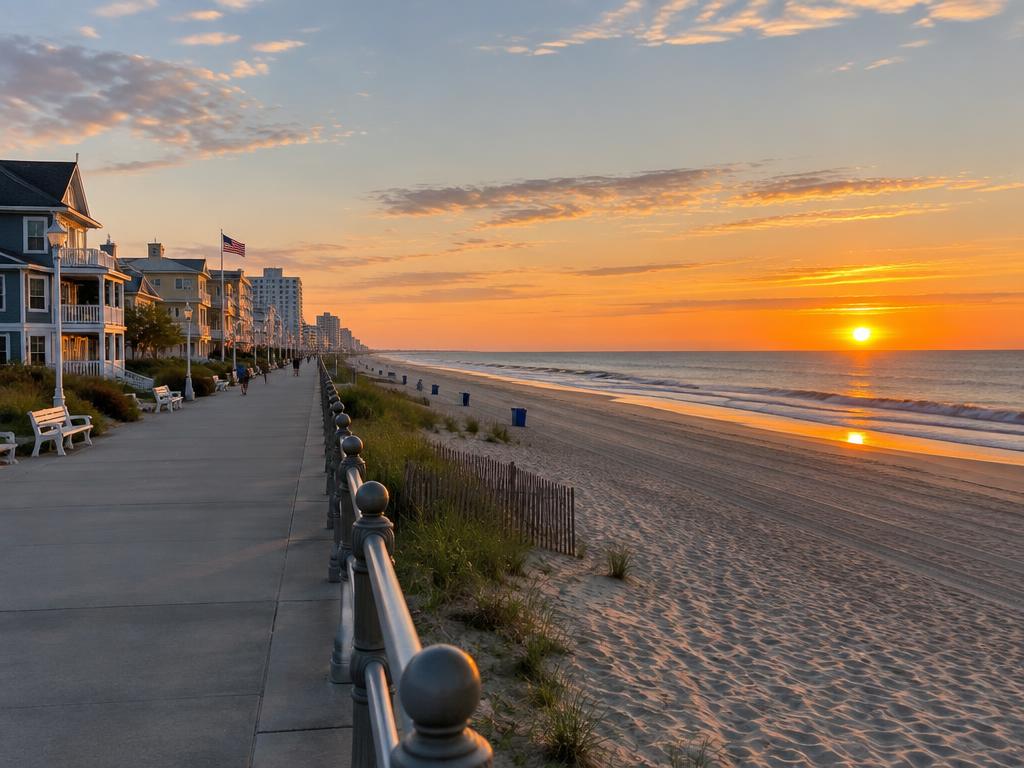
The North End, running roughly from First Landing State Park down to about 40th Street, is known for its quiet, mostly single-family residential character and tucked-away streets, a lower-key pace than the boardwalk district just to the south. Homes here range from older beach cottages to larger custom builds, and buyers are typically drawn to the neighborhood feel as much as the beach itself.
The resort strip, roughly 2nd to 40th Streets along Atlantic and Pacific Avenues, is dominated by condo and hotel-style buildings, restaurants and the boardwalk, and draws a buyer more focused on rental income potential and turnkey convenience than a quiet residential setting. My Oceanfront selling guide covers that market in more depth.
South of Rudee Inlet, in neighborhoods like Croatan, the feel shifts again toward a smaller, residential beach community with its own distinct buyer pool. I make sure your marketing plan reflects that the North End is its own market, not an extension of the resort strip.
Pricing by Street and Proximity to the Water
Price in the North End is driven heavily by proximity to the water, elevation, lot orientation and condition, sometimes more than by square footage alone. A well-maintained cottage a short walk from a beach access point can outprice a larger home farther from the sand, and homes near Bay Colony with bay-side or golf course proximity price differently again.
I pull comparable sales specific to your street and pocket within the North End, since pricing off a resort-strip condo sale or a home from a different part of the neighborhood can mislead both of us. If you'd like a specific opinion on value, my home value estimate tool is a good starting point before we talk in person.
I also weigh flood insurance costs and any recent storm history into pricing conversations, since buyers increasingly factor those numbers into what they're willing to offer, not just the purchase price alone.
Preparing Your Home for the Market
Buyers here expect some coastal wear, but they also want reassurance that it's been managed. Recent roof, HVAC and exterior maintenance records go a long way, especially with an older cottage. If you've had storm-related repairs or flood mitigation work done, document it clearly, since buyers and their lenders will ask.
Curb appeal matters as much here as anywhere else in Hampton Roads. Clean up landscaping, pressure-wash siding and walkways affected by salt air, and stage outdoor living spaces, decks and porches, since so much of North End life happens outside.
A pre-listing inspection can be worth the cost here, catching coastal-specific issues before a buyer's inspector does and giving you time to address or price around them.
Outdoor showers, storage for beach gear, covered parking and proximity to a specific beach access point are all small features worth calling out specifically in the listing, since they matter more to North End buyers than they would elsewhere in the city.
Marketing What's Special About Your Home
North End marketing should sell the lifestyle as much as the square footage: walk time to the nearest beach access point, the quiet, tree-lined character of the street, and proximity to First Landing State Park or the Cavalier's redevelopment area. Professional photography and, where it makes sense, drone shots do real work here, since many buyers are shopping from out of town and picturing what daily life would actually feel like.
Older North End homes with genuine mid-century or early-20th-century character can be a real draw for buyers looking for something with more personality than newer construction, so I make sure that story comes through in both the listing description and the photography rather than getting lost.
If your home has been updated or rebuilt with higher elevation and modern systems, that's worth highlighting clearly too, since it directly addresses the flood and insurance questions serious buyers are already asking.
Required Disclosures
Virginia is a caveat emptor state with specific required disclosures. You'll complete Virginia's residential property disclosure statement, and because most North End properties sit in or near a flood zone, flood disclosure matters here in particular. If you know of past water intrusion, flood insurance claims or storm damage, that needs to be disclosed accurately.
I'll walk you through exactly what Virginia law requires for your specific property so nothing holds up closing later, and I'll confirm whether any short-term rental permits apply to your property, since those need to be disclosed if relevant.
Negotiating Offers
Well-priced, well-documented North End homes, particularly in spring and summer, can draw multiple offers, but buyers here also ask harder questions than in a typical inland sale: flood insurance costs, elevation and storm history. Being ready to answer those questions upfront keeps negotiations moving instead of stalling out mid-contract.
When multiple offers come in, I help you compare more than price: financing type, how firmly each buyer's inspection contingency is worded, and how realistic their closing timeline is, all affect which offer actually closes smoothly.
Timing Your Sale
Buyer activity in the North End tends to build heading into spring and stays strong through early summer, when buyers can picture themselves enjoying the beach right away. Listings that hit right before or during peak season often get the most attention, though well-priced homes can still sell in the off-season, especially to buyers relocating for work near Oceana.
Hurricane season is also worth factoring into your timeline. Some buyers prefer to close before the height of storm season, while others simply want current flood insurance and storm-history information regardless of when we go under contract.
Understanding Your Net Proceeds
Your net proceeds depend on more than sale price. Flood insurance, and, if applicable, wind/hail policies, factor into the numbers if you're carrying them through closing, and my closing costs guide breaks down the typical costs Virginia sellers see.
Before we list, I'll walk you through a full net sheet so you know realistically what you'll walk away with, factoring in your specific mortgage payoff and any repairs we agree to negotiate. If you've owned the home for many years, it's also worth talking to a tax professional about capital gains treatment before we finalize a listing price and timeline.
If Your Situation Is Unique
Selling a second home, an inherited beach cottage, or a rental you no longer want to manage all come with their own wrinkles, from capital gains questions to tenant or seasonal booking timelines. My inherited property and sell a rental property pages walk through what's different about those situations, and I'm happy to talk through your specific circumstances before we put a plan together.
For a broader look at nearby options if you're moving rather than leaving the area entirely, see my guides to the Oceanfront and Bay Colony. Whatever your situation, I'll put together a clear plan and timeline before we list, so there are no surprises about what selling actually looks like for your specific property.