Why Buyers Take a Second Look at Portlock
Portlock is one of those Chesapeake neighborhoods that longtime residents will correct you on if you call it anything else. Tucked inside the South Norfolk borough along the Southern Branch of the Elizabeth River, it's a small, tightly knit community with a fierce sense of identity that goes back centuries [1](https://www.pilotonline.com/2008/03/28/whats-in-a-name-portlock-chesapeake/). For buyers, that translates into an affordable, close-in option with real character, an easy alternative to the newer, pricier subdivisions farther south in Great Bridge or Western Branch.
What draws people here is mostly location and value. You're a short drive from downtown Norfolk, close to the water, and shopping for homes that are, on the whole, smaller and older than what you'd find in Chesapeake's newer growth corridors. That makes Portlock attractive to first-time buyers stretching every dollar, investors looking for rehab potential, and anyone who wants a real neighborhood feel over a subdivision built last decade.
This guide walks through Portlock's history, its housing stock, commutes, flood considerations, HOA situation (there mostly isn't one), schools and financing, so you can walk into a showing with context instead of guesswork. For the bigger picture on the city, see my Chesapeake overview.
I also find Portlock buyers tend to move quickly once they've toured a home in person, because the neighborhood's mix of affordability and river-adjacent history is hard to find elsewhere in Chesapeake at this price point. Photos rarely capture the wide lots or the genuine quiet of these older streets.
A Community With Roots Back to the 1600s
Portlock takes its name from an English family reported to have arrived in the area in the 1600s, with a land grant recorded in 1687 stretching from Ferry Point along the Southern Branch of the Elizabeth River toward Great Bridge [1](https://www.pilotonline.com/2008/03/28/whats-in-a-name-portlock-chesapeake/) [2](https://scholar.lib.vt.edu/VA-news/VA-Pilot/issues/1996/vp960721/07200093.htm). Franklin Portlock, a public-spirited descendant born in 1826, served for years as a school trustee and left his mark on the growing settlement [1](https://www.pilotonline.com/2008/03/28/whats-in-a-name-portlock-chesapeake/).
Like the rest of South Norfolk, Portlock was folded into the newly formed City of Chesapeake when South Norfolk merged with Norfolk County in 1963. Longtime residents still identify strongly with the smaller community name rather than the city at large, and that pride shows up in how well people know their neighbors here.
I like sharing this backstory with buyers before we tour, because it explains what you'll find on the ground: an older, established street pattern built up gradually over generations rather than a single planned development, with homes that reflect many different decades of Chesapeake's growth.
Because Portlock grew up gradually rather than as a single planned subdivision, you'll notice the street pattern feels organic: no two blocks are laid out quite the same way, and lot sizes and setbacks vary more than you'd see in a modern development. That's part of what gives the area its lived-in, authentic character.
Housing Stock: Bungalows, Cottages and Post-War Ranches
Portlock's homes mostly date from the early-to-mid 1900s, with a good number of one-story bungalows and cottages built for shipyard and working families, plus later post-war ranches filling in through the middle of the century. A typical listing I've seen recently in the Portlock Terrace section was a 1940 bungalow on a generous 60-by-120 lot with original hardwood floors, a detached garage and a crawl space foundation [3](https://vahome.com/listings/1804-portlock-rd-chesapeake-23324/), which is a fair snapshot of what buyers can expect to find here.
Lot sizes tend to be comfortable by close-in standards, often wider and deeper than you'd get in a newer subdivision at a similar price point, though homes themselves usually run smaller in square footage. That combination is part of the appeal for buyers who want yard space and a garage without paying subdivision prices.
Because so much of the housing stock is 70 to 100-plus years old, I encourage buyers to think about square footage and layout separately from finish quality. Some homes have been thoughtfully updated with newer kitchens, HVAC and roofs; others still need real work behind a tidy exterior. Both types show up in the same block, so it pays to look at each home on its own terms.
Roofs, HVAC systems and plumbing are usually the biggest cost variables between homes here, since a bungalow built in the 1940s may have been fully rewired and re-piped, or may still be running largely original systems behind newer paint. I always recommend a full inspection regardless of how updated a home appears from the street.
Garages and off-street parking are a nice bonus feature in Portlock when you find them, since many of the smaller cottages were built without dedicated parking, relying instead on street parking that's usually plentiful but worth confirming for your specific block.
Streets to Know: Varsity Drive, Portlock Road and Portlock Terrace
The streets around Varsity Drive and Portlock Road anchor the neighborhood, with the Portlock Terrace subdivision being one of the more commonly listed pockets for buyers. Zoning in this area is typically R6, Chesapeake's designation for single-family residential lots, which keeps the character consistent from block to block [3](https://vahome.com/listings/1804-portlock-rd-chesapeake-23324/).
As with the rest of South Norfolk, expect a mix: some streets have larger, better-maintained homes, while others show their age more plainly. Walking a few blocks in person, at different times of day, will tell you more than any listing photo about how a street actually feels day to day.
If you're cross-shopping, it's worth touring the broader South Norfolk area too, since Portlock sits within that historic borough and shares many of the same streets, schools and river access.
Because this is a mostly built-out, established neighborhood, new listings tend to move quickly when they're priced well and show well, so it helps to have your financing lined up and ready before you start touring seriously.
Life Along the Southern Branch of the Elizabeth River
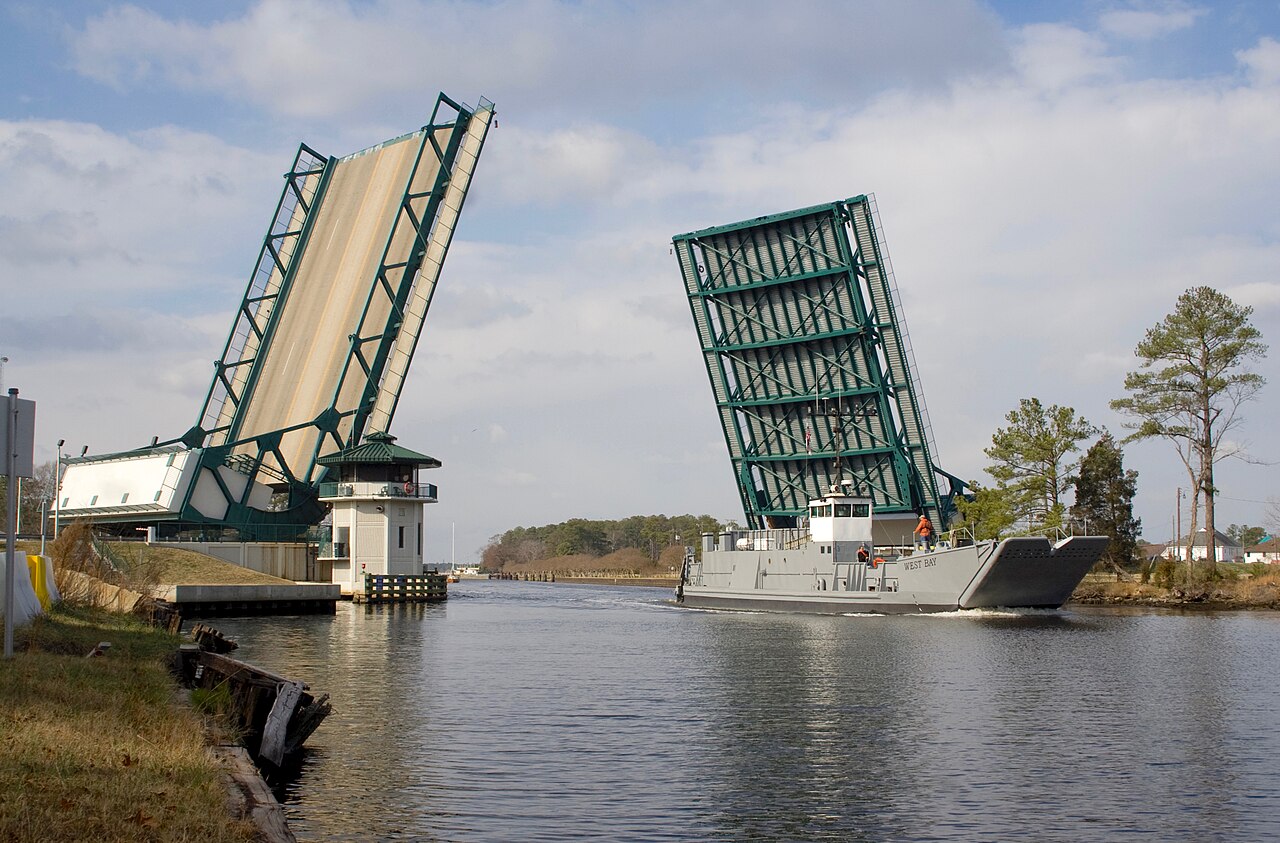
Portlock's entire history is tied to the Southern Branch of the Elizabeth River, which runs along the community and shaped its settlement, its shipping and its street layout for centuries [2](https://scholar.lib.vt.edu/VA-news/VA-Pilot/issues/1996/vp960721/07200093.htm). That waterway is still an active commercial channel today, with ongoing federal navigation projects to deepen it for larger vessels [4](https://www.nao.usace.army.mil/About/Projects/ElizabethRiverSouthernBranchNav/), so buyers should expect an industrial-adjacent waterfront rather than a quiet recreational one in some stretches.
That said, the river is part of what gives Portlock its identity, and some homes and streets sit close enough to feel that connection directly. If waterfront proximity matters to you, walk the specific block and talk to me about which streets actually back up to the water versus which are simply in the general area.
Everyday life here leans quiet and residential, with easy access to South Norfolk's small commercial strips, parks and the broader shopping and dining options along Portsmouth Boulevard and in nearby Greenbrier.
Chesapeake's overall growth has brought more restaurants, shops and services into the Greenbrier corridor a short drive north, which gives Portlock residents easy access to bigger-box shopping and dining without leaving the city, even though the immediate neighborhood itself stays quiet and residential.
Commutes: I-464, the Jordan Bridge and the Naval Shipyard
Portlock's location inside South Norfolk is one of its strongest selling points for commuters. I-464 sits close by and connects quickly to downtown Norfolk and I-64, while many residents also use the Jordan Bridge to cross the Southern Branch into Portsmouth and Norfolk without touching I-64 traffic at all.
That makes Portlock one of the shorter commutes in Chesapeake to Norfolk Naval Shipyard, Naval Station Norfolk and downtown Norfolk offices. I hear from shipyard and military families regularly who chose this pocket of Chesapeake specifically to cut their drive time.
If you're relocating for work or orders, I always recommend driving your actual commute at the time of day you'll make it before writing an offer. My relocating page and PCS/military page cover how I help buyers moving in from out of town or off orders.
For buyers commuting north toward Suffolk or west toward the rest of Chesapeake, I-64 and I-464 both remain accessible, though rush-hour patterns around the interchanges are worth experiencing firsthand before you commit to a daily drive.
Flood Zones and Insurance: What to Check Before You Fall in Love
Chesapeake as a whole carries significant flood exposure, with roughly 30% of the city sitting in FEMA Special Flood Hazard Areas and thousands of active flood insurance policies citywide [5](https://www.fludzone.com/flood-zones/virginia/chesapeake). Given Portlock's location along the Southern Branch of the Elizabeth River, flood risk is something to verify address by address, not assume.
The city's own flood mapping tool lets you check whether a specific parcel falls in the AE zone (1% annual chance flood, requiring insurance if you finance) or the 0.2% annual chance zone, or outside mapped hazard areas entirely [6](https://www.cityofchesapeake.net/631/Floodplain-Management). I pull this for every Portlock address before we write an offer, and I ask sellers directly about past water intrusion or flood insurance claims.
If a home does fall in a mapped flood zone and you're financing, your lender will require flood insurance, and that changes your real monthly payment. Run the numbers in my mortgage calculator before you fall for a house that doesn't fit your budget once insurance is added in.
Homeowners insurance costs generally in Chesapeake have risen along with flood exposure citywide, so I encourage buyers to get a real insurance quote, not just an estimate, before finalizing their offer on any Portlock address near the water.
HOAs, Inspections and Everyday Practical Matters
Most of Portlock's older sections were built long before HOAs became standard, so many homes here have no mandatory association or monthly dues, a real cost advantage over some of Chesapeake's newer planned communities. Always confirm this per-property, since a handful of newer infill parcels may carry different rules.
Given the age of the housing stock, inspections deserve real attention: lead-based paint disclosures are standard for homes built before 1978, older electrical systems sometimes need updating, and foundations near the river warrant a close look for moisture and settling. None of this should scare off a buyer, it just means budgeting for it and negotiating repairs or credits where they make sense.
I walk every Portlock buyer through what an inspector is likely to flag on a home of this age before we're even under contract, so there are no surprises once the report lands.
Property taxes in Chesapeake are assessed by the city, and given the smaller size of many Portlock homes, your annual tax bill here is often lower in absolute terms than on a larger, newer home elsewhere in the city, which is worth factoring into your overall monthly budget comparison.
Schools Serving Portlock
Portlock is zoned within Chesapeake Public Schools, generally feeding Portlock Primary, George W. Carver Intermediate, Oscar Smith Middle and Oscar Smith High, though zoning should always be confirmed by exact address since boundaries can shift. I break down grade spans, programs and what to ask the school division in my full schools guide for Portlock.
If schools are a top priority in your search, tell me early so we can filter listings to the right attendance zone before you fall for a house outside it.
Families relocating from out of the area often ask me to set up a school tour or a call with the front office before they commit to a specific street, and I'm glad to help coordinate that alongside home showings.
Financing and Writing a Competitive Offer
Portlock's price point and older housing stock make it a realistic target for VA, FHA and conventional buyers alike. My guides on VA loans in Hampton Roads, FHA loans for first-time buyers and conventional loans explained break down which program fits your situation, and my home buyer checklist walks through the process step by step.
Because some homes here need updating, ask your lender early about renovation-friendly loan options if a property needs more than cosmetic work, especially for FHA and VA buyers who have specific repair requirements at appraisal.
When it's time to write an offer, price and terms both matter: a clean offer with a reasonable inspection timeline and a pre-approval letter from a responsive local lender often beats a slightly higher number with more contingencies. I'll help you read each specific listing, and the seller's likely motivation, before we decide how to structure your offer.
I also recommend budgeting a little extra cushion for a home inspection contingency here, since older homes more often turn up items worth negotiating, and having that flexibility built into your offer keeps you from feeling pressured into waiving protections you'd rather keep.