Why Buyers Fall for Pungo
Pungo is the part of Virginia Beach that surprises people who've only seen the Oceanfront or the busier suburbs closer to the interstates. It's a genuinely rural, working farm community inside city limits, tucked between North Bay and the North Landing River, with wide fields, horse farms and roadside produce stands instead of strip malls. If you want acreage, distance from your neighbors and room for animals, gardens or a workshop, Pungo is one of the very few places left in Virginia Beach that still offers that.
It's not for every buyer. You're trading walkability and quick errands for space, privacy and a slower pace. Compared to a denser area like Princess Anne or the beach-close lots in Sandbridge, Pungo buyers are usually chasing land first and location second.
This guide covers the roads and layout, the housing stock, wells and septic, flood exposure, HOAs (or the lack of them), commutes, schools and financing so you know what you're actually signing up for. For a broader look at the city, see my Virginia Beach overview.
I grew up watching Virginia Beach grow north and west, and Pungo is the reminder that the city still has a genuinely rural core. If you've been frustrated hunting for acreage anywhere else in Hampton Roads, this is worth a serious look before you widen your search into another city entirely.
A Rural Borough With Its Own Identity
Pungo was one of the seven original boroughs when Virginia Beach was created in 1963, and before that it was part of Princess Anne County. The name comes from the Machipungo, a branch of the local Chesapeake tribe [2](https://en.wikipedia.org/wiki/Pungo,_Virginia). That long agricultural history is still the whole point of the place: Virginia Beach is the largest city by land area in Virginia, and a huge share of that farmland sits right here in Pungo and neighboring Blackwater [3](https://www.citymatch.ai/city/virginia-beach-va/neighborhoods/pungo-blackwater-virginia-beach).
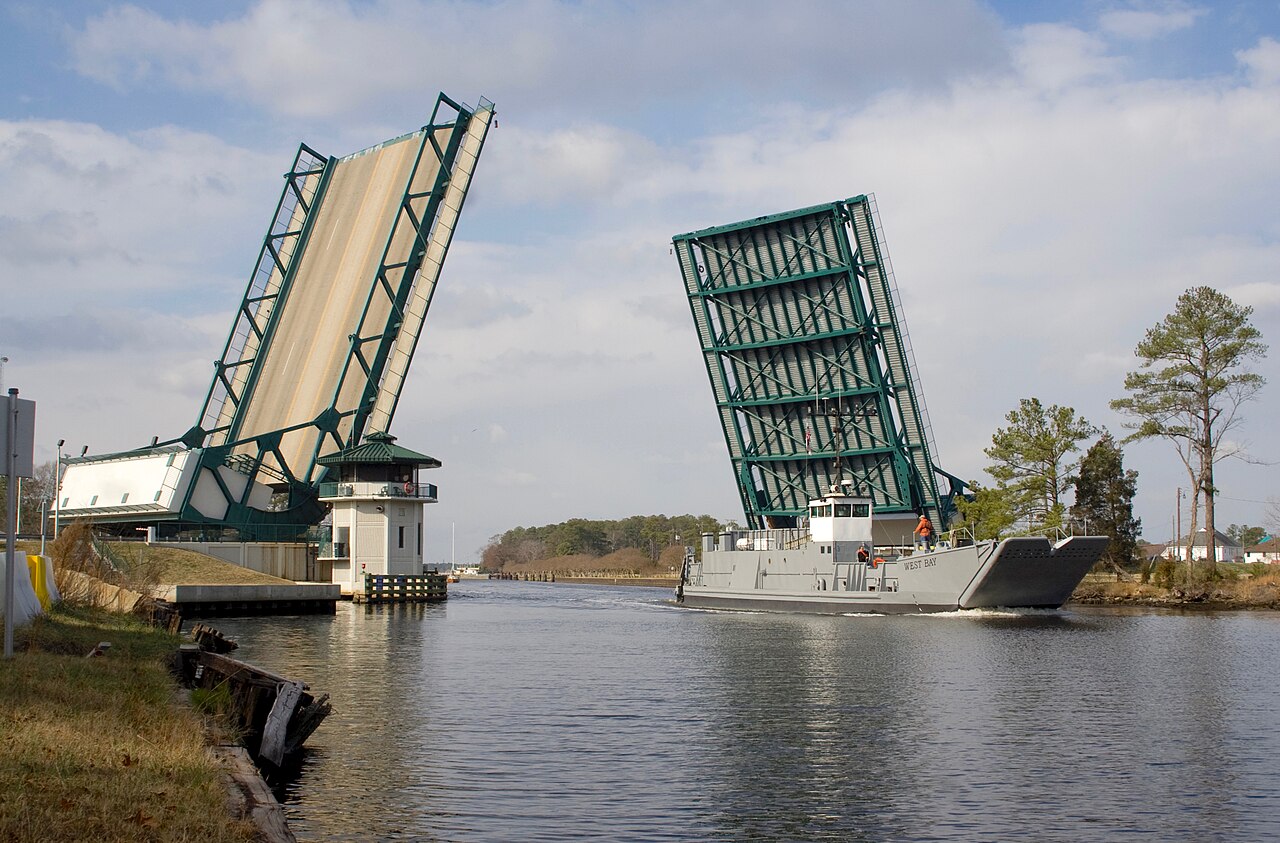
The unofficial center of Pungo is the stoplight where Princess Anne Road meets Indian River Road [2](https://en.wikipedia.org/wiki/Pungo,_Virginia). Everything else radiates out from there in long, straight country roads lined with fields, farmhouses and the occasional roadside stand.
The city has also drawn what locals call the 'Green Line' just south of Sandbridge Road, a policy boundary meant to keep dense development out of the rural south and preserve the agricultural land use [2](https://en.wikipedia.org/wiki/Pungo,_Virginia). That line is a big part of why Pungo still looks and feels the way it does, and why buyers shouldn't expect a subdivision boom out here anytime soon.
Because Pungo was annexed as farmland rather than developed as a suburb, you won't find the curving cul-de-sac streets or matching mailboxes that define most of Virginia Beach. Instead, roads here tend to run straight for miles between fields, which takes some getting used to if you've only ever house-hunted in planned subdivisions.
Housing Stock: Acreage, Farmhouses and New Construction
Most Pungo homes sit on generous lots, anywhere from a half-acre up to fifteen acres or more, which is unheard of almost anywhere else in the city [1](https://www.homes.com/local-guide/virginia-beach-va/pungo-neighborhood/). You'll see a real mix of styles: traditional brick homes, coastal colonials, modern farmhouses and older working farmhouses that have been updated over the years, generally ranging from around 1,800 to over 5,000 square feet [1](https://www.homes.com/local-guide/virginia-beach-va/pungo-neighborhood/).
Because so much of the land here has been in agricultural use for generations, you'll also come across working farms, horse properties and parcels with outbuildings, barns or old tobacco/produce sheds still standing. If you want a property that can actually support animals, crops or equipment storage, Pungo is where I start showing Virginia Beach buyers.
New construction shows up here too, generally custom-built rather than production subdivisions, since the rural zoning and larger lot minimums keep tract-home builders out. That means longer build timelines if you're going custom, and it means resale comps can be thinner and more varied than in a typical VB neighborhood, so pricing takes more legwork.
Lot size is the first filter I ask every Pungo buyer about, since a half-acre lot with a homeowners' association nearby and a fifteen-acre working farm are both technically 'Pungo' but live completely differently day to day. Walk multiple properties before deciding how much land and how much maintenance you actually want to take on.
Wells, Septic and Rural Utilities
Outside the areas with public water and sewer, many Pungo properties rely on private wells and septic systems. If you haven't owned a home on well and septic before, budget for a septic inspection and pump-out, a water quality test, and ask about the age and permitted capacity of the drainfield before you get too attached to a property.
Financing a home on well and septic is completely normal with VA, FHA and conventional loans, but appraisers and lenders will want documentation that the well and septic meet local health department standards. I coordinate this early in the process so it doesn't slow down your closing timeline.
It's also worth asking about propane versus natural gas, since some rural pockets aren't on a gas line, and about internet service, which can vary block to block out here more than it does closer to the interstates.
Ask your agent and the seller for well flow rate history and any past water quality test results, not just a pass/fail. Iron, sulfur and hardness are common in this part of Virginia Beach's groundwater, and a whole-house filtration system is a common and reasonable ask during negotiations if testing turns up an issue.
Flood Zones and the Back Bay Watershed
Pungo sits close to the North Landing River, North Bay and the Back Bay National Wildlife Refuge, and a fair amount of the surrounding land is low-lying farmland and wetland [3](https://www.citymatch.ai/city/virginia-beach-va/neighborhoods/pungo-blackwater-virginia-beach). Flood zone status varies a lot from parcel to parcel out here, so I always pull the FEMA flood map for the specific address rather than assuming based on the general area.
If a home falls in a mapped flood zone and you're financing it, your lender will require flood insurance, which changes your real monthly payment, so run the numbers through my mortgage calculator before you fall in love with a property.
Rural drainage is also worth walking the land for in person. Ditches, culverts and low spots that handle heavy rain fine most of the year can behave differently during a nor'easter or hurricane season, so ask sellers directly about past flooding and take a good look at grading around any structures.
I also recommend a land survey if the property's boundaries aren't crystal clear on record, since rural parcels here have sometimes been subdivided or combined informally over the decades. A current survey protects you from boundary disputes with neighboring farms down the road.
Commutes: Princess Anne Road, Indian River Road and the Drive North
Princess Anne Road and Indian River Road are the two main arteries through Pungo, and most residents use one or both to reach the rest of the city. It's roughly a ten-mile drive north to the heart of Virginia Beach and about fifteen miles to Norfolk International Airport [2](https://en.wikipedia.org/wiki/Pungo,_Virginia), so plan on a real commute if you work near the Oceanfront, downtown Norfolk or one of the naval bases.
Traffic on these two-lane country roads moves quickly outside of farm equipment and festival season, but they're not built like a four-lane suburban corridor, so drive the actual route at the time of day you'd commute before you commit to a property.
If your job requires a shorter drive to Oceana or the interstates, it's worth comparing Pungo against a more central neighborhood like Red Mill Farm or Strawbridge before you decide space is worth the extra drive time. My relocating page and PCS/military page can help if you're moving from out of town or off orders.
Fuel and errands take more planning out here too. Most Pungo residents keep a mental list of what they can get locally versus what requires a trip north, and that rhythm becomes second nature within the first few months of living here.
Everyday Life: Farms, Festivals and Wide-Open Space
Life in Pungo revolves around the land. There are more than a dozen you-pick farms scattered through the area where you can pick strawberries, blueberries, kale and more depending on the season, along with roadside stands selling produce straight off the field. For decades the Pungo Strawberry Festival was the community's signature spring event, drawing crowds for food, a parade and family activities.
The Military Aviation Museum, with its large collection of vintage warbirds, and the story of Grace Sherwood, the 'Witch of Pungo,' are both part of the area's local color. Nimmo United Methodist Church, built in 1791, is one of the oldest churches in the area with its original foundation still intact.
For groceries, big-box shopping and chain restaurants, most Pungo residents drive a few miles north into more built-up parts of the city, a tradeoff most buyers here have already made peace with in exchange for the acreage and quiet.
Festival season also means seasonal traffic and congestion on the main roads during peak events, so if you're touring homes in spring, build extra drive time into your schedule.
HOAs (Mostly Not an Issue) and Zoning Rules
Most Pungo properties are not part of a homeowners association, since the area is largely agricultural and zoned for rural residential and farm use rather than planned subdivisions. That gives owners more flexibility for outbuildings, animals and land use, but it also means fewer shared amenities and no HOA-maintained common areas.
What you'll want to check instead is zoning and any agricultural or conservation easements tied to a specific parcel, since these can affect what you're allowed to build or how the land can be subdivided down the road. I pull this information for every rural property before we write an offer.
Because so much of the land is agricultural, some parcels carry easements or right-to-farm protections that limit how neighboring land can be used against you, and can also limit what you're allowed to change on your own property. I read through any recorded restrictions with you before you commit.
Schools Serving Pungo
Pungo is zoned within Virginia Beach City Public Schools, and like the rest of the city's rural south, addresses here are generally zoned to Creeds Elementary along with the middle and high schools that serve southern Virginia Beach [Creeds Elementary attendance zone](http://www2.vbschools.com/map_center/maps/023.pdf). Because school zones can shift and Pungo covers a lot of ground, always confirm zoning for a specific address with the school division before you write an offer. For a deeper look at ratings and programs, see my schools guide for Pungo. Confirming zoning matters even more here than in a typical neighborhood, since Pungo covers so much ground that boundaries for elementary, middle and high schools can differ from one side of the community to the other.
Financing a Rural Virginia Beach Property
VA, FHA and conventional loans can all work for rural Pungo properties, though larger acreage and agricultural-zoned parcels sometimes need extra appraisal review to confirm the loan program's limits on land use and outbuildings. My guides to VA loans, FHA loans and conventional loans explain how each program treats these situations.
If you're financing a well and septic property, budget extra time for water and septic certifications your lender will require. First time buying? My home buyer checklist and first-time buyers page walk through what to expect.
Cash and conventional buyers with larger down payments also show up more often in Pungo than in a typical starter-home neighborhood, since some buyers are selling acreage or a farm elsewhere and rolling proceeds into a new property here.
Writing a Competitive Offer on Land
Because comparable sales are thinner out here than in a dense subdivision, pricing a Pungo property takes more digging. I look at recent land and home sales by acreage, road frontage and condition rather than relying on a simple per-square-foot number, and I factor in whether a parcel has development potential or restrictions.
Well-priced properties with updated homes and usable acreage can move quickly, especially those close to Princess Anne Road with easy access north. Larger raw-land or fixer parcels tend to sit longer and leave more room to negotiate. If you're also selling a home as part of this move, my Pungo seller's guide covers how I coordinate both sides.
I also encourage buyers to get a land use and zoning letter from the city for anything beyond a straightforward single-family purchase, particularly if you're planning to keep animals, build an outbuilding, or eventually subdivide, so there are no surprises after closing.