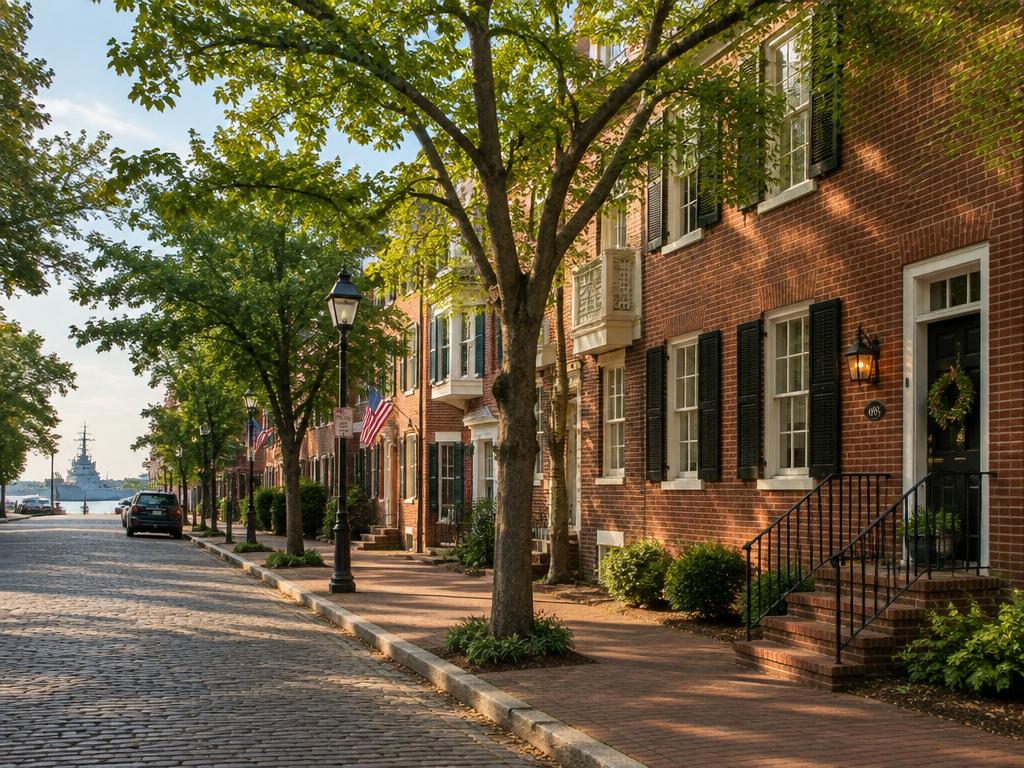
A Listing Is a Marketing Piece
An online listing is designed to get you through the door, and that's fine. It's written and photographed to show a home at its best. Your job as a buyer is to read it carefully, notice what's there and what isn't, and know which questions to ask before you schedule a tour or write an offer.
This guide walks through the parts of a listing that matter most. For choosing which site to search on, see Zillow vs. Realtor.com vs. Trulia.
Listing Status
Active means the home is for sale. Contingent or under contract generally means the seller accepted an offer but the deal has conditions to clear, such as inspection, appraisal or financing. Pending usually means those conditions are largely resolved. Sites label these differently, so if a home you love shows contingent, ask whether the seller is accepting backup offers.
Days on Market and Price History
Days on market tells you how long the home has been listed. A home that's been sitting may have room to negotiate, or may have an issue buyers keep finding. A brand-new listing in a popular price range may draw several offers quickly.
Price history shows reductions, prior sales and sometimes listings that were withdrawn and relisted. A relist can reset the days-on-market count on some sites, so read the history, not just the counter. A recent purchase followed by a quick resale may mean a renovation; ask what was done and whether permits were pulled.
Photos: What They Show and What They Don't
Wide-angle lenses make rooms look larger. Notice which rooms aren't pictured, like a bathroom or the backyard, and whether exterior photos show neighboring properties or the street. Count the photos of the roof, mechanicals and crawl space: usually zero, which is what the inspection is for.
Phrases Worth a Second Look
These aren't red flags on their own. They're cues to ask questions.
| Phrase | What to ask |
|---|---|
| "As-is" | Will the seller consider any repairs, and can you still inspect? See as-is vs. making repairs. |
| "Investor special" or "TLC" | What needs work, and will the home qualify for your loan type? |
| "Cash only" | Is there a condition issue that would prevent financing? |
| "Highest and best by" | There are multiple offers; ask your agent about strategy |
| "Seller to provide 1-year home warranty" | Helpful, but not a substitute for an inspection |
| "Flood zone" or no flood info | Check the FEMA map and get an insurance quote early |
Taxes, HOA Fees and the Real Monthly Cost
The estimated payment on a listing often uses assumptions about rate, down payment, taxes and insurance that may not match your situation. Look for HOA or condo fees, real estate taxes and whether flood insurance may be required. Plug the real numbers into my mortgage calculator to see the full monthly cost.
Questions to Ask Before You Tour
Are there offers already? When does the seller want to close? Are there known issues or prior insurance claims? What conveys with the home? Any recent updates to the roof, HVAC or water heater? Your agent can ask the listing agent most of these directly.
What a Local Agent Adds
I read listings with you, call the listing agent for the details that never make the description, and tour with you to see what the photos leave out. When it's time to write an offer, I help you price it, structure it and negotiate inspection repairs in the PICRA (Property Inspection Repair Addendum). Learn more on my Hampton Roads buyer's agent page, or start with the guide to online platforms in Hampton Roads.
This article is general information, not legal or financial advice. Online platforms change their features, fees, programs and estimate methods often, so check each company's current terms directly. Zillow, Redfin, Realtor.com and Trulia are trademarks of their respective owners; this site is not affiliated with or endorsed by any of them.
Related articles

Zillow vs. Realtor.com vs. Trulia: Which Is Best for a Hampton Roads Home Search?
Which home search site is most accurate, why listings show as available when they're not, and how Hampton Roads buyers can get the most current information.
Read more →
VA Loans in Hampton Roads: A First-Time Buyer's Guide
Zero down, no PMI and flexible credit — here's how VA loans work for military buyers in Hampton Roads.
Read more →
FHA Loans for First-Time Buyers in Hampton Roads
Lower down payments and flexible credit requirements make FHA loans a popular first-time buyer option.
Read more →
Conventional Loans Explained for First-Time Buyers
No mandatory mortgage insurance premium and often lower long-term costs — here's when a conventional loan makes sense.
Read more →
USDA Loans in Hampton Roads: Zero-Down Financing for Rural and Suburban Areas
No down payment, lower mortgage insurance and a property map that matters — here's how USDA loans work in the rural parts of Hampton Roads.
Read more →
Virginia Housing Down Payment Assistance: A First-Time Buyer's Guide for Hampton Roads
Grants, second mortgages and first-time buyer loans from Virginia Housing — how they work, who qualifies and how they pair with FHA or conventional financing.
Read more →