Buying or Selling? Make Sure You're in the Right Guide
This guide is for buyers. If you're selling a home, you want my companion guide, What Are Closing Costs When Selling a House in Virginia?, which covers commission, the grantor's tax and other seller-side costs. For a quick estimate, try my Virginia closing costs calculator.
For buyers, closing costs are one of the biggest surprises in the process. Many people save carefully for a down payment and then learn there's another, separate amount due at closing. Knowing it's coming, and roughly how much, makes the whole purchase less stressful.
How Much Buyers Typically Pay
Buyer closing costs in Virginia are often estimated at roughly 2% to 5% of the purchase price, though the real number depends on your loan type, lender, price, interest rate choices and the terms of your contract. On a $350,000 home, that range is roughly $7,000 to $17,500.
That's a wide range on purpose. Your lender's Loan Estimate, which you receive shortly after applying, gives you an itemized estimate for your specific loan. Treat any number you see online, including this one, as a planning range until you have that document.
What's Typically Included
Lender charges: origination or underwriting fees, credit report, and any discount points you choose to pay to lower your rate.
Third-party services: the appraisal, a survey if required, flood certification, and any inspections you choose, like a general home inspection or wood-destroying insect inspection.
Title and settlement: the settlement or closing fee, title search, lender's title insurance and, if you choose it, owner's title insurance, which protects you against certain title problems.
Government charges: in Virginia, buyers typically pay recording fees and the recordation taxes on the deed and the new mortgage. The exact amount depends on the price, loan amount and locality.
Prepaids and escrow: your first year of homeowners insurance, prepaid mortgage interest, and an initial deposit into your escrow account for property taxes and insurance. These aren't fees in the same sense, but they're due at closing. Flood insurance may also apply in coastal parts of Hampton Roads.
Loan program fees: VA loans typically include a funding fee unless you're exempt, and FHA loans include upfront mortgage insurance. Both can often be rolled into the loan. My guides to VA loans and FHA loans explain how.
Closing Costs vs. Cash to Close
Closing costs are only one part of the money you bring to settlement. Here's how the pieces typically fit together.
| Part | What it is |
|---|---|
| Down payment | Your share of the purchase price, from 0% on some loans upward |
| Closing costs | Lender, title, government and third-party charges |
| Prepaids and escrow | Insurance, interest and tax deposits due at closing |
| Minus earnest money | Your deposit, paid after your offer is accepted and credited toward the purchase price at closing |
| Minus credits | Seller concessions or lender credits, if negotiated |
General illustration. Your settlement agent provides the final Closing Disclosure before closing.
How to Estimate Your Own Number
I've written a step-by-step guide on how much cash you need to buy a house in Virginia, with a worked example. For your monthly payment, my mortgage calculator breaks out principal, interest, taxes and insurance, and my home affordability calculator estimates a price range from your income and debts.
Can the Seller Pay Your Closing Costs?
Often, yes. In Hampton Roads, it's common for buyers to ask the seller to contribute toward closing costs, especially with VA and FHA loans. Lenders can also offer credits in exchange for a slightly higher rate. My guide to seller concessions and lender credits explains how both work and the tradeoffs.
Ways to Lower What You Pay
Comparing Loan Estimates, choosing your rate and points carefully, negotiating concessions, timing your closing date and looking into assistance programs can all lower your cash at closing. My guide on how to lower closing costs as a buyer covers each one, and my guide to closing cost assistance in Virginia covers grant and assistance programs.
Get a Real Estimate
I'm not a lender, and closing costs are set by your lender, title company and the government, but I work with several trusted local lenders and can connect you with one who will walk you through a real estimate. As your buyer's agent, I'll also help you negotiate concessions into your offer when it makes sense.
First-time buyer? My first-time homebuyers page covers the whole process. Reach out to me and let's put real numbers on your purchase.
This article is general information, not legal or financial advice. Closing costs vary by loan, lender, price and contract, so get exact figures from your lender's Loan Estimate and your title company or closing attorney.
Related articles

How Much Cash Do I Need to Buy a House in Virginia? Estimating Cash to Close
Down payment, earnest money, closing costs, prepaids and reserves: how to estimate the total cash you'll need to buy in Hampton Roads, with an example.
Read more →
Seller Concessions and Lender Credits: How Buyers Get Help With Closing Costs
How sellers can contribute to your closing costs, how lender credits trade rate for cash, the limits that apply, and how to use them in an offer.
Read more →
How to Lower Closing Costs as a Home Buyer in Virginia
Practical ways Hampton Roads buyers reduce closing costs: comparing Loan Estimates, negotiating, timing, assistance programs and more.
Read more →
Closing Cost Assistance in Virginia: Grants and Programs for Home Buyers
Where Hampton Roads buyers can look for closing cost assistance, including Virginia Housing, local programs and other ways to cover closing costs.
Read more →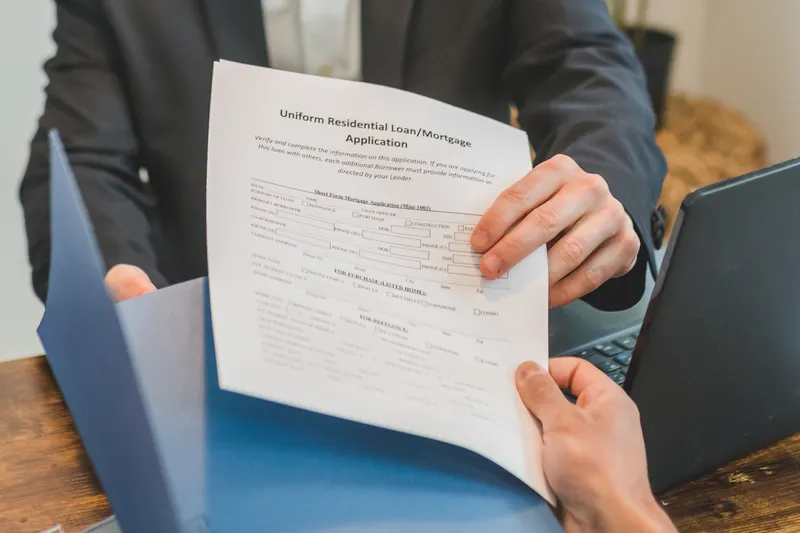
VA Loans in Hampton Roads: A First-Time Buyer's Guide
Zero down, no PMI and flexible credit — here's how VA loans work for military buyers in Hampton Roads.
Read more →
FHA Loans for First-Time Buyers in Hampton Roads
Lower down payments and flexible credit requirements make FHA loans a popular first-time buyer option.
Read more →