Who Buys in Aragona Village
When I list a home in Aragona Village, the buyer pool is usually a mix of first-time buyers who are priced out of newer neighborhoods, young families who want a real yard close to Town Center, investors looking for a solid rental, and buyers using VA or FHA financing who are drawn to the more attainable price point. That's a different buyer than what you'd see in a newer, higher-priced neighborhood like Kings Grant, and it changes how I position and market a listing here.
Because this is one of the largest neighborhoods in Virginia Beach, with strong name recognition and an active civic league, buyers often come in already wanting Aragona Village specifically rather than discovering it by accident. That built-in demand is one of the biggest advantages sellers here have, and it means I can market to buyers who already understand and want what the neighborhood offers.
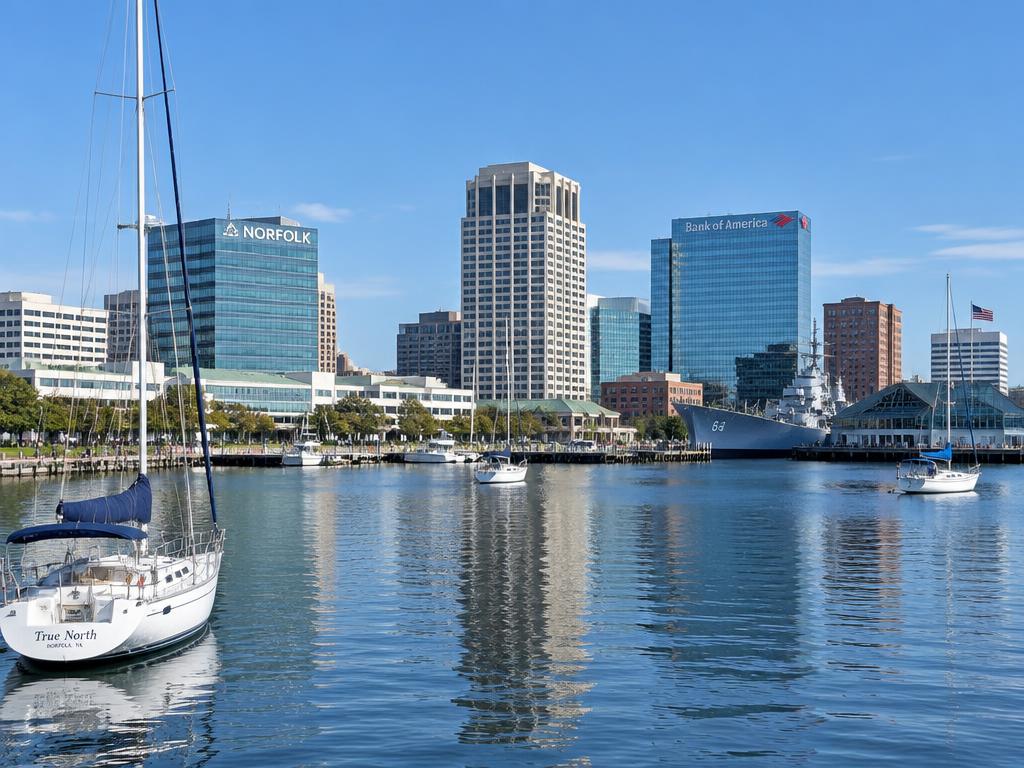
Military buyers and renters looking to buy their first home also make up a meaningful part of the market here, given the proximity to Norfolk and Oceana and the more attainable pricing. Understanding that mix helps me decide where and how aggressively to market a given listing.
For comparison, buyers cross-shopping this price point often also look at Witchduck and Thalia, so I keep an eye on those markets when we're setting expectations for your listing.
It also helps to remember that Aragona Village was built as a middle-income community from the start, developed on a former dairy farm beginning in 1955 with model homes named for duck species like the Mallard, Teal and Canvasback [1](https://aragonacivicleague.wixsite.com/aragonavillage/about-aragona-village). That working- and middle-class identity is baked into the neighborhood, and it's part of what continues to attract practical, value-minded buyers today.
Pricing by Section, Street and Condition
Aragona Village is large enough that pricing isn't one-size-fits-all. Homes closer to Independence Boulevard or busier cut-throughs typically price a bit differently than quieter interior streets, and lot size, layout (like a converted garage or added sunroom) and updates all move the number. I never guess at this from a distance; I pull recent comparable sales for your specific street and section before we talk price.
Condition matters even more here than in newer neighborhoods, since these homes range from fully renovated to original 1950s finishes. An updated kitchen and bath, newer roof or updated electrical panel can meaningfully change where your home lands compared to a similar-sized home that hasn't been touched in decades.
I also look closely at square footage additions, since many homes here have been expanded well beyond their original footprint with sunrooms, converted garages or rear additions. Making sure any added space is properly reflected in county records and comparable listings is part of getting the pricing right. My seller's net proceeds estimate tool is a good starting point once we've talked through your home's condition and comps.
I also watch how your home compares to recent sales in nearby Bayside, since some buyers cross-shop that neighborhood against Aragona Village before deciding where to make an offer.
Prep That Matters for a 1950s-Era Home
Buyers touring Aragona Village expect some age and character, but they also want confidence that the big systems are in good shape. Before listing, I recommend addressing anything visibly deferred: roof condition, exterior paint, gutters, and any obvious plumbing or electrical issues. A pre-listing inspection can be worth it here, since it lets you address surprises on your own terms instead of during a buyer's inspection period.
Cosmetic updates go a long way too. Fresh paint, updated light fixtures and decluttering help a smaller, older home show at its best, and staging can help buyers see how to make the layout work for modern living. You don't need a full renovation to sell well here, but a clean, well-presented home consistently attracts stronger offers than one that looks tired.
Curb appeal matters more in a neighborhood built from a limited set of original floor plans, since buyers comparing several similar homes on a Saturday will remember the one with a tidy yard, fresh mulch and a freshly painted front door over one that looks neglected from the street.
Small, inexpensive fixes tend to have an outsized effect here: caulking around tubs and sinks, replacing worn carpet, and making sure every room is well lit for photos. Buyers touring several similar homes in one afternoon remember the details.
Marketing What's Special About Aragona Village
Location is the headline: minutes to Town Center, Pembroke Mall and Independence Boulevard, with quick access to I-264. I also lean on the neighborhood's history and community identity in my marketing, since buyers researching Aragona Village often find the story of its 1955 development and its long-running civic league genuinely appealing, not just a footnote.
Lot size is another selling point most other in-town Virginia Beach neighborhoods can't match at this price level. If your home has a fenced yard, a converted garage that adds living space, or mature landscaping, those are worth highlighting clearly in photos and listing copy.
I also make sure to market the practical advantages: a shorter commute to the bases and Norfolk, walkability within the neighborhood, and the value story compared to newer, pricier parts of the city. Buyers respond to that combination of affordability and convenience when it's framed clearly.
Professional photography and a floor plan matter more than usual in a neighborhood built from a handful of original models, since buyers scrolling listings online often decide which homes to tour based on how clearly the layout and any additions are presented.
The neighborhood's civic identity is unusually strong for its size, with nearly 3,000 homes and a long-active civic league that has organized around everything from sewer rates in the 1960s to a current push for a community park on the former Bayside Sixth Grade Campus site along Jericho Road [2](https://www.wtkr.com/news/in-the-community/virginia-beach/aragona-village-residents-seek-community-park-following-bayside-campus-closure). Buyers researching the neighborhood often come across that story, and it reinforces the sense that this is a real, established community rather than just a collection of houses.
Positioning Against Nearby Neighborhoods
Buyers comparing Aragona Village against Bayside or Witchduck are often weighing lot size, price and commute against one another. Aragona Village typically wins on affordability and proximity to Town Center, while those other neighborhoods may offer different lot sizes or waterfront access. Knowing what a buyer is cross-shopping helps me frame your home's strengths accurately instead of guessing.
As the city's second-largest neighborhood, Aragona Village also benefits from name recognition that smaller, less-established neighborhoods don't have. Buyers searching online specifically for 'Aragona Village homes for sale' are often further along in their decision than someone browsing a broader search, and that's a real advantage when it comes to marketing your listing effectively.
Required Disclosures in Virginia
Virginia is largely a caveat emptor state for residential sales, but sellers still have specific disclosure obligations. You'll complete the Virginia Residential Property Disclosure statement, and if your property carries any known flood history or sits within a mapped flood zone, that needs to be disclosed as well. Given the age of homes here, I also walk sellers through what needs to be disclosed about known material defects, past repairs and any history of water intrusion.
I'll walk you through exactly what Virginia law requires for your specific property before we go on the market, so there are no surprises during the buyer's due diligence period, and so you can answer buyer questions confidently and honestly from day one.
If your home was built before 1978, federal law also requires a lead-based paint disclosure, which is standard for this era of housing across Hampton Roads and something I prepare for every listing in a neighborhood like this one.
Negotiating Offers
Because a meaningful share of buyers here use VA or FHA financing, it's common to see requests for repairs tied to loan requirements, particularly around peeling paint, roofing, or safety issues like handrails and exposed wiring. I help you evaluate which of these are true underwriting requirements versus negotiable asks, so you're not conceding more than necessary.
Given the strong buyer demand this neighborhood typically sees, well-priced, well-prepped listings can generate multiple offers. I'll help you compare not just price, but financing type, contingencies and closing timeline, so you pick the offer that's actually the strongest for your situation, not just the one with the highest number on paper.
I also prepare sellers for the possibility of an appraisal gap in a competitive multiple-offer situation, and we talk through in advance how you want to handle that if it comes up.
Timing Your Sale
Like most of Virginia Beach, spring and early summer tend to bring the most buyer traffic here, in part because families like to move before the school year starts. That said, well-priced Aragona Village homes attract steady interest across most of the year given the consistent demand from first-time and investor buyers.
I'll help you weigh your personal timeline, whether that's a job change, a PCS order, or simply readiness to move, against current market conditions, rather than assuming any one season is automatically best for your specific situation.
Inventory in Aragona Village tends to move at a healthy pace regardless of season, so if your reason for selling is time-sensitive, I'll be direct with you about how quickly we can realistically expect to go under contract.
Understanding Your Net Proceeds
Before you list, it helps to have a realistic picture of what you'll walk away with after agent commissions, closing costs, and any repairs or credits negotiated with the buyer. My closing costs guide for sellers and net proceeds estimator are good starting points, and my home seller checklist walks through the full process step by step.
If you're selling because of a job move, an inherited property, or another specific situation, take a look at my pages on relocating, inherited property or downsizing for guidance tailored to that path, and reach out anytime to talk through the specifics of your home.