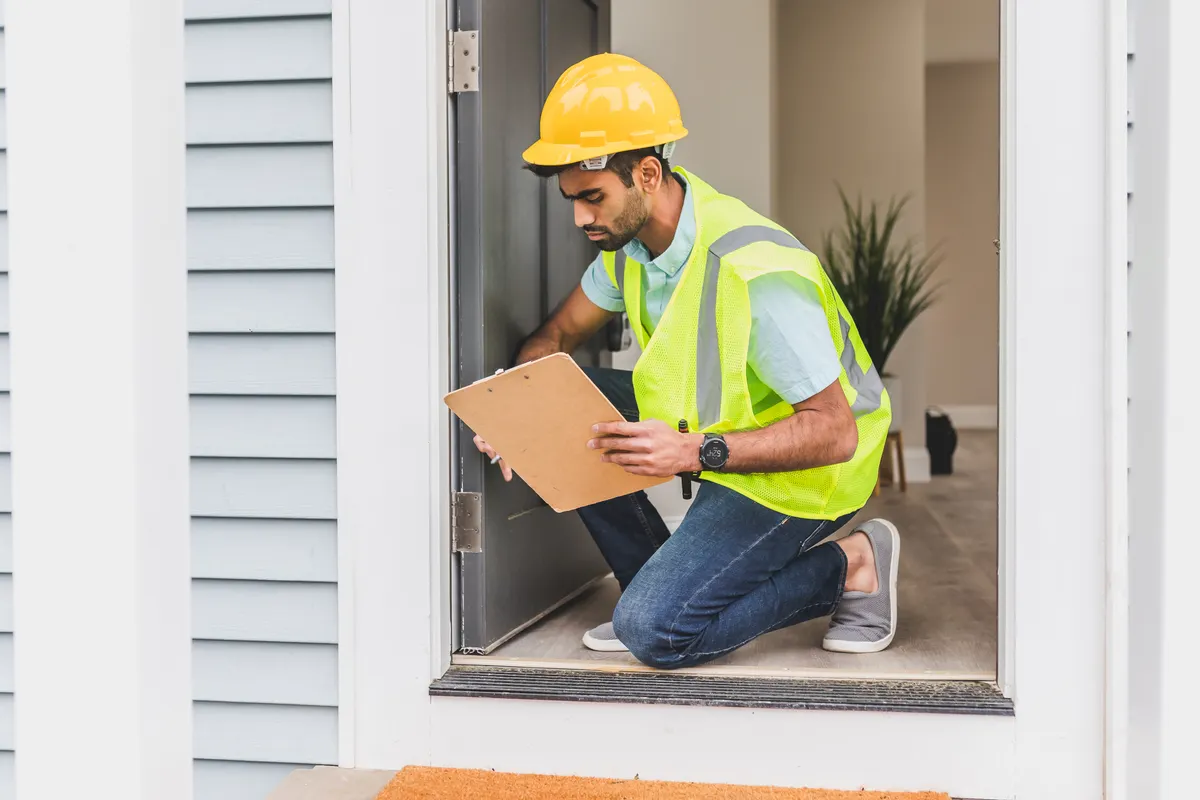
Why Older Homes Need a Closer Look
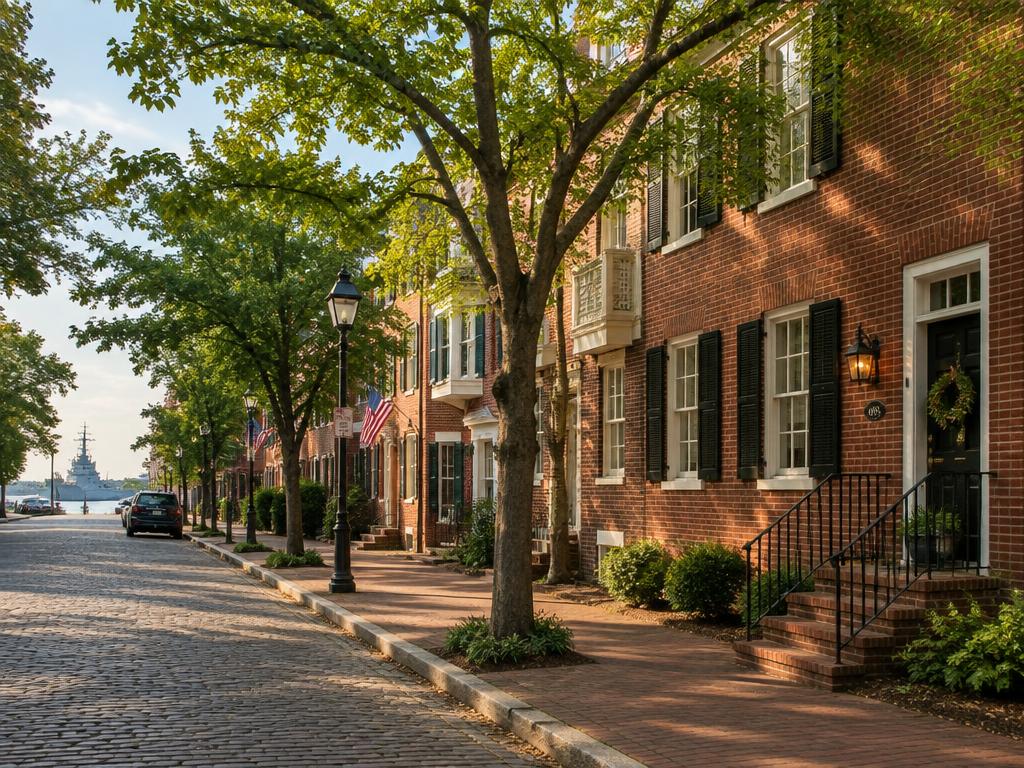
Older homes have a lot to love: craftsmanship, character, mature trees and walkable streets. Hampton Roads has plenty of them, in neighborhoods like Ghent, Colonial Place, Park Place and Larchmont in Norfolk, Olde Towne and Cradock in Portsmouth, and South Norfolk in Chesapeake.
But a home that's been standing for decades has had time to settle, leak and be updated in ways that may or may not have been done well. A thorough inspection is how you find out what you're really buying. Here's what I want inspectors to look at on every older home.
Foundation and Crawl Space
Many older Hampton Roads homes sit on crawl spaces, and the region's high water table and humidity make moisture a common issue. Have the inspector check for standing water, damp insulation, wood rot, sagging floor joists and signs of past repairs.
Look for cracks in the foundation, sloping floors and doors that stick, which can point to settling. Not every crack is serious, but if the inspector raises a concern, a structural engineer can give a more detailed opinion before your inspection period ends.
Roof, Gutters and Drainage
Ask about the roof's age, condition and any signs of leaks in the attic. Check that gutters and downspouts move water away from the house and that the yard slopes away from the foundation. Poor drainage is one of the most common sources of problems in older homes here.
Electrical Systems
Older homes may have outdated wiring, such as knob-and-tube or older panels, ungrounded outlets or amateur updates added over the years. Some insurers and lenders have concerns about certain older systems. The inspector should note the panel type, wiring type and any safety issues, and a licensed electrician can estimate the cost of updates.
Plumbing and Sewer Lines
Older plumbing materials, like galvanized steel or cast iron, can corrode over time, and some homes have older types of supply lines that insurers ask about. Ask the inspector to identify pipe materials and check water pressure and drainage.
A sewer scope, where a camera is run through the main sewer line, can reveal cracks, root intrusion or collapses that are expensive to repair. In older neighborhoods with mature trees, I strongly recommend one.
HVAC, Water Heater and Insulation
Know the age and condition of the heating and cooling systems and the water heater, since they're common replacement items. Older homes may also have little insulation or older windows, which affects comfort and energy bills. Ask the inspector to note what's there so you can plan upgrades.
Lead Paint, Asbestos and Other Materials
Homes built before 1978 may contain lead-based paint, and sellers must provide a lead disclosure. Some older homes may also contain materials like asbestos in old flooring, pipe wrap or siding. A standard home inspection doesn't always test for these, so ask about specialized testing if you're concerned, especially if you plan to renovate or have young children.
If you're using a VA loan or FHA loan, the appraiser will also flag peeling paint on older homes, which usually must be addressed before closing. My VA vs. FHA comparison explains property requirements.
Termites and Wood-Destroying Insects
Termites are common in coastal Virginia. A wood-destroying insect inspection is often required by lenders, and I recommend it for every buyer regardless. Ask about past treatments and any damage that may need repair.
Flood Risk
Many of Hampton Roads' older neighborhoods sit near rivers, creeks and inlets. Check the FEMA flood zone for the specific address, ask the seller about past water issues and get a flood insurance quote early, since it can change your monthly payment. Use my mortgage calculator to see the full cost.
After the Inspection: Bids and Negotiation
An inspection report on an older home will almost always have a long list. Don't panic. Separate safety issues and big-ticket items from small fixes, get contractor estimates on the major ones, and decide what to ask the seller to repair or credit.
If the list is long and you're still interested, read my guide on buying a fixer-upper, which covers repair budgets and renovation loans. If you'd rather avoid all of this, new construction may be a better fit. And if you're just starting out, my home buyer checklist shows where inspections fit in the process.
Let's Find the Right Older Home
I'll help you line up the right inspections, read the report with you and negotiate based on what the home really needs, so you can enjoy the character of an older home without the surprises.
When you're ready to talk it through, reach out to me directly, or read how I work as your Hampton Roads buyer's agent so you know exactly what to expect from the first call through closing day.
This article is general information, not legal or financial advice. Check current rates, programs and figures with a licensed lender, attorney or tax professional before you make a decision.
Related articles
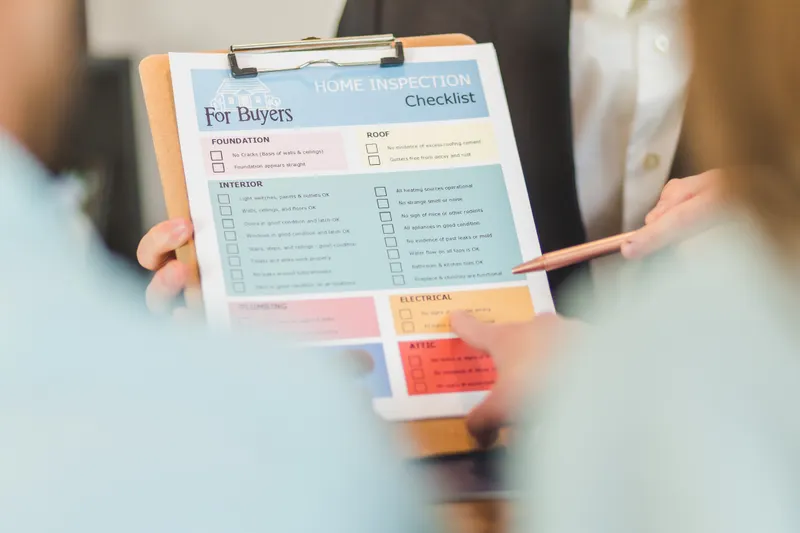
New Construction Warranties Explained: What Hampton Roads Buyers Should Know
What builder warranties typically cover and don't, why terms vary by builder, how to report issues in writing before deadlines, and why an inspection before the one-year mark is smart.
Read more →
VA Loans in Hampton Roads: A First-Time Buyer's Guide
Zero down, no PMI and flexible credit — here's how VA loans work for military buyers in Hampton Roads.
Read more →
FHA Loans for First-Time Buyers in Hampton Roads
Lower down payments and flexible credit requirements make FHA loans a popular first-time buyer option.
Read more →
Should I Buy New Construction in Hampton Roads? A Buyer's Guide
Builder incentives, preferred lenders, why to bring your own agent to the sales office, independent inspections, HOAs and flood and drainage questions on new builds.
Read more →
Should I Buy a Fixer-Upper in Hampton Roads? What to Know First
Repair budgets, renovation loans like FHA 203(k), VA condition requirements, contractor bids before closing and when to walk away from a fixer-upper.
Read more →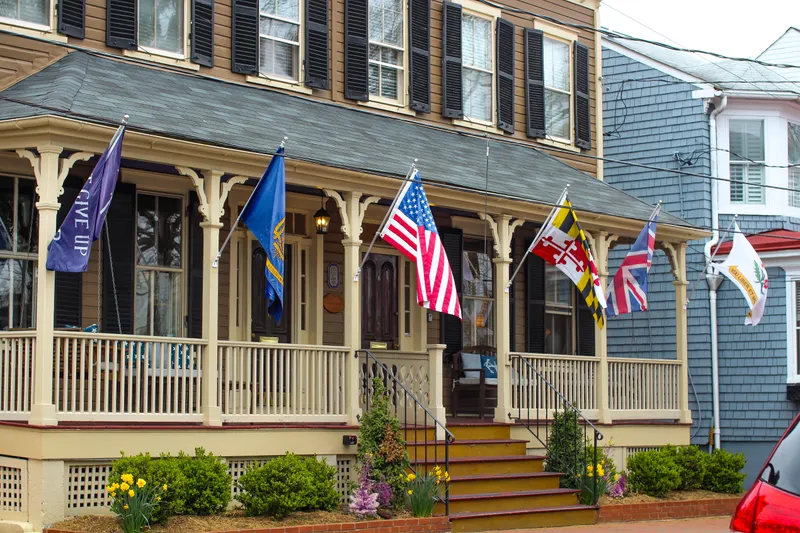
VA Loan vs. FHA Loan in Hampton Roads: Which Is Right for You?
Down payments, mortgage insurance, funding fees, property requirements and PCS considerations, compared side by side for Hampton Roads buyers.
Read more →