Who Buys in South Norfolk
South Norfolk draws a specific type of buyer, and knowing who they are shapes how I market your home. Many are first-time buyers priced out of newer parts of Chesapeake who want a starter home with character. Others are renovators and investors looking for older housing stock with upside, and military and shipyard families drawn to the short commute via I-464 and the Jordan Bridge to Norfolk Naval Shipyard and Naval Station Norfolk.
You'll also see buyers who specifically want the historic feel, Victorians, bungalows and cottages, that you simply don't find in the newer subdivisions of Great Bridge or Western Branch. Understanding which of these buyer types is most likely to want your home helps us decide how to present it and where to put marketing dollars.
For a broader look at how South Norfolk fits into the Chesapeake market, see my Chesapeake overview.
I also see steady interest from buyers who've been priced out of Norfolk's Ghent or Colonial Place and are looking for a similar historic feel at a lower entry point just across the river. Knowing that this buyer exists, and what they're comparing your home against, shapes both the price and the story I tell in your listing.
How Pricing Varies by Street and Condition
South Norfolk isn't one uniform market. Homes near the historic core around Poindexter Street and 22nd Street, and blocks with river proximity, can command different pricing than homes on the neighborhood's edges. Condition matters even more here than in newer neighborhoods, because a fully renovated cottage and an untouched original can sit two doors apart with very different price tags.
When I run your comparative market analysis, I look at recent sales on your specific block or the closest comparable blocks, not just a neighborhood-wide average, and I weigh how much renovation work has been done relative to comparable sales. Overpricing an older home that needs work is one of the fastest ways to sit on the market here.
If you want a general sense of what your home could net before we sit down for a full valuation, my seller's proceeds estimator is a good starting point.
It's also worth remembering that South Norfolk buyers are often comparing your home against others they've toured on nearby blocks, not just against a citywide average. A thoughtful, block-level comparison protects you from either leaving money on the table or sitting unsold because the price didn't match what similar homes nearby have actually closed for.
Preparing an Older Home to Sell
Prepping a historic or older South Norfolk home is different from prepping a 20-year-old subdivision house. Buyers touring here already expect some age-related character, but they also expect the systems behind that character to be sound. I walk sellers through what's worth fixing before listing, like addressing obvious water intrusion, foundation cracks, or failing electrical, versus what's better left as a negotiated item, like full cosmetic updates that a buyer may want to choose themselves.
Small, visible fixes tend to pay off here: fresh paint, cleaned-up trim, a tidy porch and yard, and clear evidence of maintenance records if you have them. Buyers of older homes are especially reassured by documentation of past repairs, permits and any updates to wiring, plumbing or the roof.
If your home needs more significant work and you'd rather not tackle it before selling, my distressed property page and inherited property page cover options for selling as-is.
Marketing the Historic Character
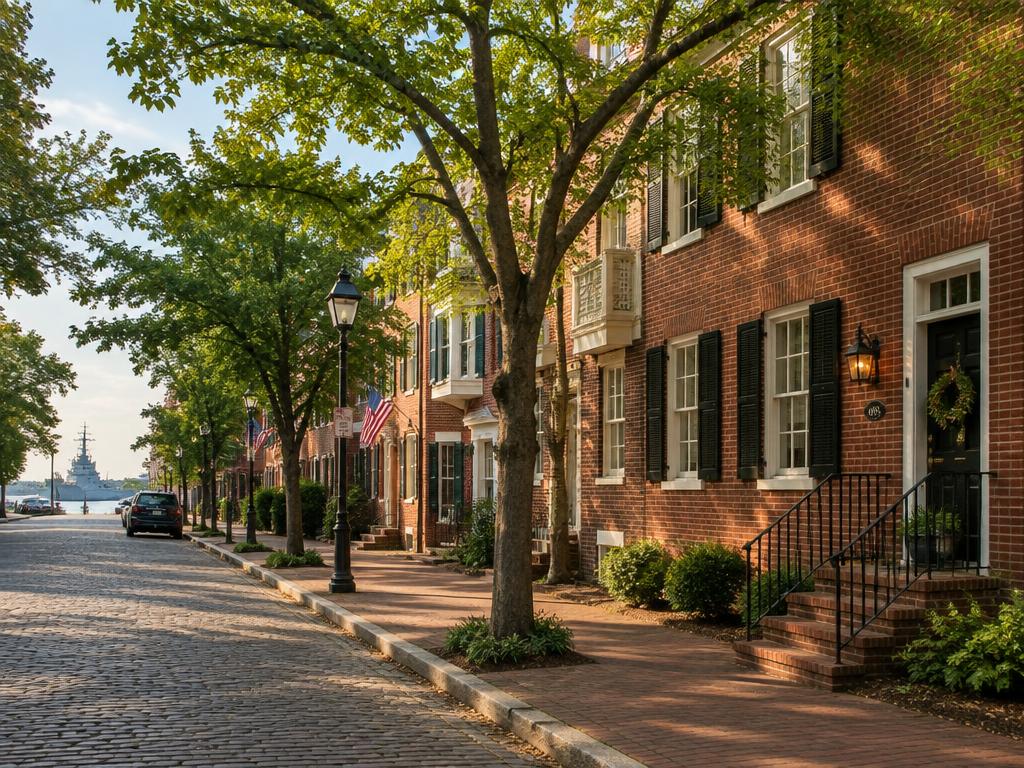
The character that makes South Norfolk special, Victorian trim, original hardwood, a deep front porch, a piece of the neighborhood's history as the independent city that merged into Chesapeake in 1963, is exactly what I lead with in marketing. Buyers searching for a historic-feel home in Hampton Roads are actively looking for these details, and photography, copy and showings should highlight them rather than downplay them.
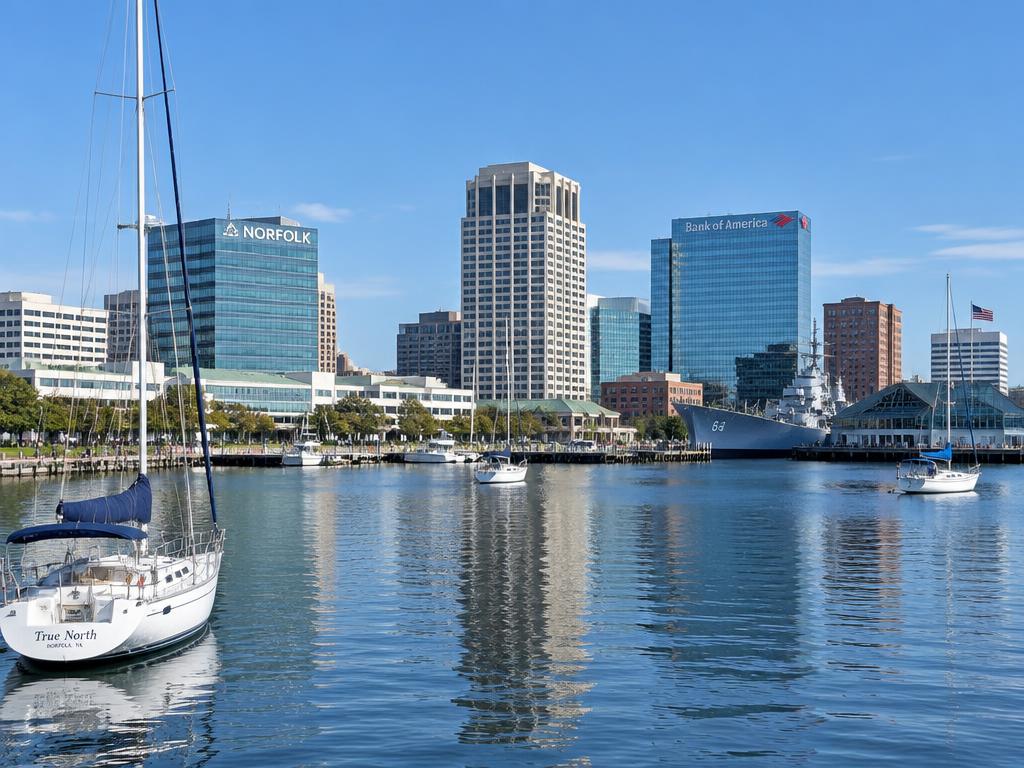
I also make sure to market the practical draws: the short commute to downtown Norfolk and the naval bases, proximity to the Elizabeth River's Southern Branch, and nearby green space like Lakeside Park. Buyers moving here for the commute need to see that clearly, not just the house itself.
Good photography matters more in an older home, since natural light, high ceilings and original details often photograph better than they show in person if the space isn't staged well first.
Working With Investors and Cash Buyers
South Norfolk sees a fair number of investor and cash offers, particularly on homes that need visible work. These buyers often move faster and waive contingencies that a traditional financed buyer wouldn't, but they also typically expect a price that reflects the repair costs they're taking on. Knowing which type of buyer is likely to want your specific home, a renovator, a first-time owner-occupant, or a family drawn to the historic character, changes how I price and market it from day one.
If you've inherited a South Norfolk property or you're managing a sale from out of the area, my inherited property page and distressed property page cover the paths sellers in those situations often take, including selling as-is to avoid taking on repairs yourself.
Photography and Showings for Older Homes
Older homes photograph very differently than new construction, and it's worth taking that seriously before your listing goes live. Wide-angle shots that capture original moldings, tall baseboards, transom windows or a deep front porch tend to perform better than generic room shots. I also make sure listing photos are taken with good natural light, since older homes often have smaller window openings than newer construction and can photograph dark if you're not careful with timing.
For showings, a little staging goes a long way in a historic home. Clearing clutter, letting original architectural details stand out, and making sure any known issues, like a sloped floor or an older HVAC unit, are already explained in disclosures rather than discovered mid-showing, all help buyers focus on the home's character instead of getting distracted by unanswered questions.
Disclosures You're Required to Make
Virginia is generally a buyer-beware state, but sellers still have specific disclosure obligations. You'll need to complete Virginia's required residential property disclosure statement, and if your home is in or near a mapped flood zone, which is a real possibility given South Norfolk's location along the Elizabeth River, you'll also need to address flood-related disclosure requirements.
Given the age of homes in this neighborhood, buyers and their agents will often ask directly about lead-based paint, past flooding, foundation repairs and electrical updates, even beyond what's strictly required. Being upfront about known issues, rather than letting them surface during inspection, tends to keep deals together and negotiations calmer.
I walk every South Norfolk seller through exactly what's required and what's simply smart to disclose, so there are no surprises partway through the transaction.
Negotiating on an Older Home
Inspection negotiations on older homes tend to be more involved than on newer construction, simply because there's more history to account for. Expect questions about the roof's age, the electrical panel, plumbing materials, and any signs of past water intrusion or foundation movement. Having a pre-listing inspection or at least documentation ready can speed this along and reduce back-and-forth.
I help sellers decide where it makes sense to offer a credit versus complete a repair yourself, and how to hold firm when a buyer's request goes beyond what the inspection actually supports. In an older-home market like South Norfolk, buyers expect some negotiation, so pricing with a little room built in, rather than pricing at the absolute ceiling, often leads to a smoother close.
If you're weighing whether to sell now or wait, my downsizing and relocating pages cover common scenarios that affect timing.
Timing Your Sale
South Norfolk follows the broader Hampton Roads seasonal pattern: more buyers and more competition in spring and summer, especially during the peak military moving season, and a quieter, more negotiable market in late fall and winter. Homes that need work can sometimes do better in a slower season, when the buyers touring are more deliberately looking for a project rather than comparing you against move-in-ready listings.
If you have flexibility, I'll help you weigh listing sooner against holding for a stronger season based on your home's specific condition and the current inventory of comparable homes nearby.
Understanding Your Net Proceeds
Before you list, it's worth understanding what you'll actually walk away with after your mortgage payoff, agent commissions, transfer taxes and typical seller-paid closing costs. My guide to closing costs when selling in Virginia breaks down what's typical, and my proceeds calculator gives you a working estimate.
If you're also buying your next home, whether that's staying in South Norfolk or moving elsewhere in Chesapeake, I coordinate timing on both sides so you're not carrying two mortgages or scrambling for temporary housing. My South Norfolk buyer's guide and South Norfolk schools guide are useful if you're staying local.
Ready to List in South Norfolk?
Selling an older home in a historic neighborhood takes a different approach than selling a 2005-built subdivision house, from pricing by block and condition to disclosures and negotiation. I know this neighborhood's history, its housing stock and the buyers who want it, and I'll put together a plan built around your specific home.
Reach out and I'll walk your property in person, talk through pricing, prep priorities and timing, and get you a clear picture of what selling in South Norfolk looks like for you.
Getting Ready for Inspection Ahead of Time
Given how often inspections surface issues on older homes, I recommend South Norfolk sellers think seriously about a pre-listing inspection, especially if the home hasn't had major updates in years. Knowing about a foundation issue, an aging roof or outdated electrical before a buyer's inspector finds it gives you the chance to either address it, price around it, or simply prepare your response instead of getting caught off guard mid-contract.
This is particularly useful in South Norfolk because buyers here are more likely than in a newer neighborhood to ask detailed questions about age-related systems. Coming into those conversations with documentation, rather than a shrug, tends to keep good buyers in the deal instead of scaring them off.