Selling a House in Chesapeake Starts With Knowing Which Chesapeake You're In
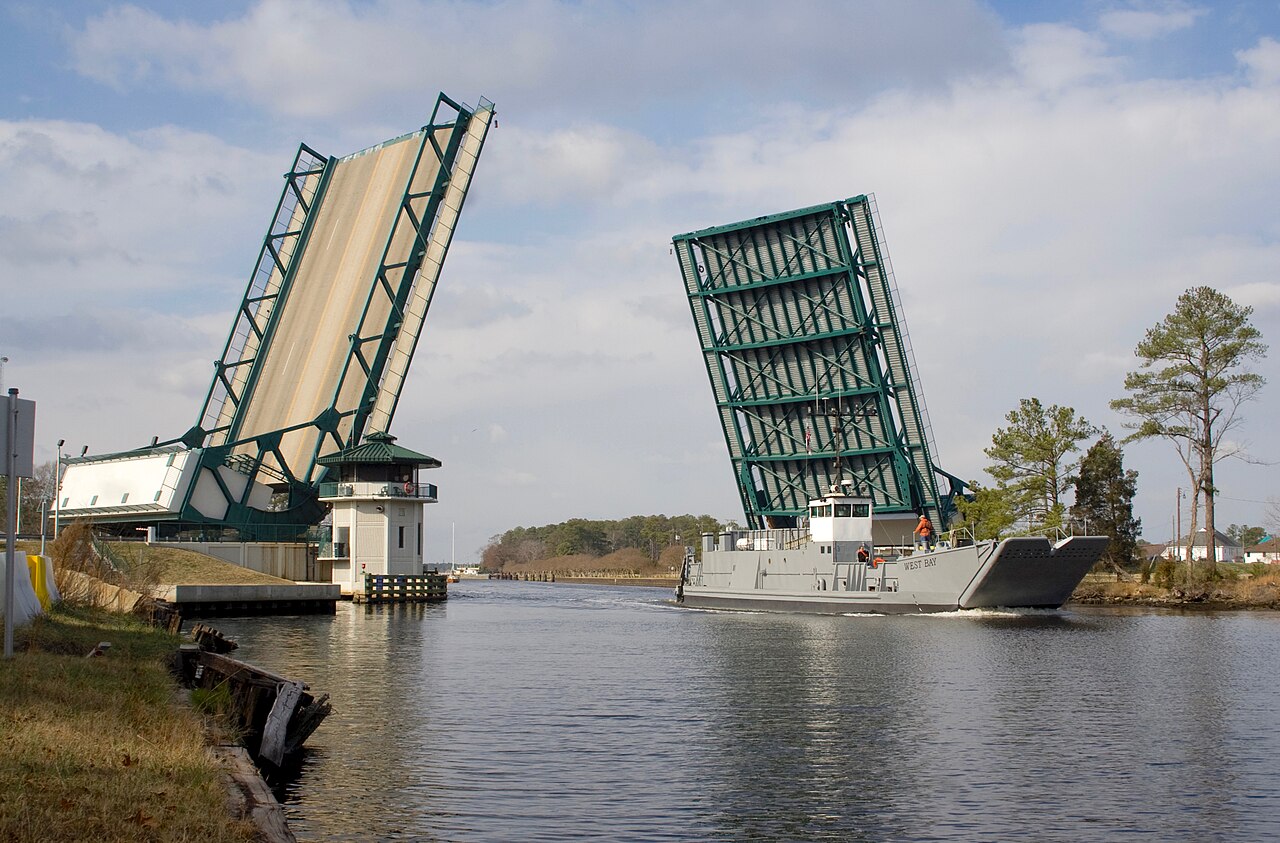
Chesapeake is one of the largest cities by land area in Virginia, and that size shapes everything about how a home sells here. A townhouse near Greenbrier, a 1990s colonial in Western Branch, a newer home in Grassfield and a farmhouse on acreage in Hickory are all "Chesapeake," but they draw different buyers, compete against different listings and price off different sales.
That's why the first question I ask a Chesapeake seller isn't "How much do you want?" It's "Where exactly is the house, and who is most likely to buy it?" This guide walks through how I approach a Chesapeake sale from first conversation to closing, and where the city's quirks, like septic systems, wells, flood zones and long commutes, come into play.
If you want the Virginia-wide version first, start with my guide on how to sell a house in Virginia. This article focuses on what's specific to Chesapeake.
Step 1: Define Your Goal and Timeline
Every Chesapeake sale is built around a goal: the highest price, a fast closing, a sale timed around buying your next home, or a sale that works around PCS orders. Each one changes the plan. If you need to buy and sell at the same time, read how to sell and buy a home at the same time before you pick a list date.
If you're military and leaving the area, my PCS out of Chesapeake guide covers selling remotely, renting versus selling and timing around report dates.
Step 2: Price to Your Part of the City
Pricing is where most sales are won or lost. In Chesapeake, I build your price from closed sales in your part of the city, active competition you'll be listed against, and homes that sat and expired, then adjust for condition, updates and lot. Online estimates can't see your kitchen, your roof age or which side of a busy road you're on. My guide on how to price your home in Hampton Roads walks through the method in more detail.
In Chesapeake specifically, I pay close attention to school attendance zones, lot size, whether a home backs to woods, water or a farm field, and whether it's on city water and sewer or a well and septic. Two homes with the same square footage a few miles apart can sell for very different prices because of those details. My Great Bridge selling guide and Hickory selling guide show how much those micro-markets differ.
Step 3: Prepare Your Chesapeake Home for Buyers
Most Chesapeake homes don't need a renovation to sell well. They need to be clean, bright, repaired and easy to picture living in. I give you a short prep list focused on what buyers here actually notice: curb appeal, yard condition, fresh paint in high-traffic rooms, working HVAC and a clear story on the roof's age.
Chesapeake-specific prep often includes gathering septic pumping and inspection records, well test results if you're on a well, and any elevation certificate or flood insurance details if the home is near the Intracoastal Waterway, the Elizabeth River branches or marshland. Having those ready shortens the buyer's due diligence and builds trust. See preparing your home to sell in Hampton Roads for the full checklist, and selling as-is vs. making repairs if you're unsure what's worth fixing.
Step 4: Disclosures and Paperwork
Virginia is largely a buyer-beware state, but sellers still have required disclosure forms and obligations, and some properties have extra items such as HOA or condo documents. Many Chesapeake neighborhoods have HOAs, and buyers have a review period once they receive the association packet, so ordering it early avoids delays. My guide to Virginia seller disclosures explains what's typically involved.
Step 5: Market to the Buyers Most Likely to Pay
Chesapeake draws local move-up buyers, families focused on schools and space, and a large number of relocating and military buyers who may be shopping from out of state. That last group matters. Many will tour by video or decide off photos before they ever arrive, so professional photography, a video walkthrough and drone shots of larger lots carry real weight here.
Your home goes on the MLS and syndicates to the major home search sites, and I also market it through agent networks and my brokerage so buyer's agents know it's coming. A listing that's well presented in its first week usually gets the most attention, which is why I'd rather launch a few days later and launch right. My guide to staging and showings covers how to keep the home show-ready.
Step 6: Know Your Net Before You Sign
Before you list, it helps to know what you'll actually walk away with. Seller costs in Chesapeake usually include commission, the Virginia grantor's tax, settlement and attorney fees, prorated property taxes, payoff of your mortgage and any buyer concessions you agree to. My net proceeds calculator gives you a quick estimate, and my guide to what it costs to sell a house in Virginia uses example maximums of 6% commission and 3% seller concessions. Those are the most they would typically be in that example, not a fixed rate: commission and concessions are negotiable and vary from sale to sale. For a line-by-line look at the settlement statement, see seller closing costs in Virginia.
Step 7: Review Offers and Negotiate
When offers come in, the highest price isn't always the best offer. I compare financing type, down payment, appraisal and inspection terms, the requested closing date and any concessions. If you get more than one, read how to handle multiple offers as a seller. After inspection, repairs the buyer and seller agree to are written into the PICRA, the Property Inspection Repair Addendum, so it's clear exactly what's being fixed before closing. My guide to inspection negotiation, repairs and credits and what happens with a low appraisal cover the two places deals most often wobble.
Step 8: Inspection, Appraisal and Closing
Once you're under contract, the buyer typically schedules a home inspection and, in this area, a wood-destroying insect inspection. On rural Chesapeake properties, expect septic and well inspections too. After inspection, we negotiate repairs or credits, the appraisal is ordered, and I keep the lender, title company and buyer's agent on schedule through closing.
In Virginia, closings are handled by a settlement agent such as a title company or attorney. I review your settlement figures with you before closing day so there are no surprises.
A Typical Chesapeake Selling Timeline
Every sale is different, but here's a general outline of how the steps fit together.
| Stage | Typical length | What happens |
|---|---|---|
| Consultation and pricing | A few days | Walkthrough, market analysis, list price and net estimate |
| Prep and photos | 1 to 3 weeks | Repairs, cleaning, staging, septic/well/flood paperwork, photography |
| On the market | Varies by price and area | Showings, open houses, feedback, offers |
| Under contract to closing | Often 30 to 45 days | Inspections, PICRA negotiation, appraisal, loan approval, settlement |
Timelines vary with market conditions, financing type and how much prep a home needs.
Chesapeake Neighborhood Selling Guides
For pricing and buyer details on your specific area, start with your neighborhood: Great Bridge, Western Branch, Greenbrier, Hickory, Grassfield and Deep Creek. Every Chesapeake neighborhood guide is listed on my Listing Agent page.
Selling Your Chesapeake Home With Me
If you're interviewing agents, my guide on how to choose a listing agent lists the questions worth asking, and listing agreements explained covers term length, cancellation and exclusive right to sell. When you're ready, see how I work as your Hampton Roads listing agent, or start with my local overview of selling a home in Chesapeake.
Tell me about your home and your timing using the form on this page, and I'll put together a pricing plan and net estimate for your Chesapeake sale.
This article is general information, not legal, tax or financial advice. Contract terms, disclosure rules, closing costs and market conditions change and vary by property, so confirm specifics with a Virginia real estate attorney, title company or tax professional.