Why the Warranty Deserves More Attention Than the Countertops
Buyers spend hours choosing finishes at the design center and a few minutes skimming the warranty. I understand why. Countertops are fun and warranty documents are not. But the warranty is one of the main reasons new construction is worth paying a new-home price, so it's worth understanding before you sign.
This guide explains how builder warranties commonly work, what they usually do and don't cover, and how to actually use one. For the full buying process, including inspections during construction, see Should I Buy New Construction in Hampton Roads?.
One important caution up front: Virginia law sets a baseline, but builder warranty terms are set by each builder and sometimes by a third-party warranty company. Your contract and warranty documents are what count.
What Virginia Law Requires
Virginia law gives buyers of a new home built-in protection, separate from anything the builder offers. Under the state's new home warranty law, Virginia Code section 55.1-357, a builder in the business of building or selling homes warrants that the home is free from structural defects, built in a workmanlike manner and fit for habitation.
Those legal protections last one year from closing or move-in, whichever comes first, for workmanship and materials. Protection against structural defects in the foundation lasts five years.
Two things to know. First, a builder can modify or waive these legal protections, but only in writing, in a separate, clearly stated document the buyer signs. Read anything you're asked to sign about warranties carefully. Second, the law doesn't cover condominiums, which have their own rules. Because laws change, have a real estate attorney confirm how they apply to your contract.
Builder and Manufacturer Warranties on Top of the Law
Many builders also provide their own written warranty, sometimes through a third-party warranty company. These can add detail about what's covered, how to file a claim and how quickly the builder must respond, and some offer coverage beyond what the law requires. Terms vary a lot from builder to builder.
Separately, appliances, water heaters, HVAC equipment, roofing materials and windows often come with their own manufacturer warranties. Those are usually handled directly with the manufacturer, not the builder, and some require you to register the product.
Ask for a copy of the actual warranty documents before you sign the purchase contract, not at closing, and compare them with the protections Virginia law already gives you.
What Warranties Typically Cover, and What They Often Don't
Workmanship coverage generally addresses things like drywall cracks beyond a certain size, doors and windows that don't operate properly, trim and finish issues, minor leaks and installation problems. Structural coverage is usually limited to defects that affect the home's load-bearing parts, and the definition of a structural defect is often narrow.
Common exclusions include normal wear and tear, damage caused by the homeowner or by lack of maintenance, minor settling and cosmetic cracks within stated tolerances, landscaping, and damage from storms or flooding, which is a job for insurance. In Hampton Roads, that last point matters. A warranty is not flood insurance, so check flood risk and insurance costs for the specific lot.
Many warranties also require you to keep up regular maintenance, like changing HVAC filters, maintaining grading and gutters, and caulking. If an issue is traced to skipped maintenance, the claim may be denied.
Read the Terms Before You Sign
Here's what I look for with buyers when we review a builder's warranty: how long each type of coverage lasts, how a defect is defined, what tolerances apply to things like cracks and floor levelness, whether the warranty is backed by the builder or a third-party company, how claims are submitted, how quickly the builder must respond, and whether coverage transfers to a future buyer if you sell.
Also check whether the contract includes an arbitration clause or limits how disputes are resolved. If anything in the documents is unclear, ask the builder to explain it in writing, and consider having a real estate attorney review the contract.
This is part of why I recommend bringing your own agent to the sales office. The builder's contract and warranty are written by the builder. As your buyer's agent, I help you understand what you're agreeing to.
Document Everything, in Writing, Before Deadlines
The warranty only helps if you use it correctly. Most builders require warranty requests in writing, often through an online portal or email, and many have specific windows, such as a walk-through shortly after closing and another near the end of the first year.
Keep a running list from the day you move in. Take dated photos, note when you first noticed each issue, and submit requests as soon as you find them rather than waiting. A phone call or a conversation with the site superintendent is helpful, but follow it up in writing so there's a record.
Keep copies of everything: your contract, the warranty booklet, appliance registrations, every request and every response. If a deadline is approaching and an issue isn't resolved, put that in writing before the deadline passes.
A Warranty Is Only as Good as the Builder Behind It
A generous warranty on paper means little if the builder is slow to respond or no longer around. That's why the builder's track record matters as much as the warranty terms.
Talk to people who already live in the builder's communities and ask how warranty requests were handled. Look at homes the builder finished a few years ago. My guide on how to vet a home builder explains what to check and which red flags to watch for.
If the structural warranty is backed by a third-party company, ask who that company is and how claims work, since that may be who you're dealing with years from now.
Schedule an Inspection Before the One-Year Mark
One of the smartest things a new-home owner can do is hire an independent inspector a month or two before the one-year mark, when Virginia's legal workmanship protection ends. A good inspector can spot issues you'd never notice, like missing insulation in the attic, grading that sends water toward the foundation, or small roof and flashing problems.
You then have time to submit those items in writing while they're still covered. Many buyers who skip this step find problems a few months later, when fixing them is their own expense.
If you're buying an older home instead, my guide on what a home inspection should cover on an older home is the better read. And if you're still weighing new versus resale, see the pros and cons of new construction.
Let's Review the Warranty Together
Before you sign with a builder, I'll walk through the contract and warranty documents with you, flag questions to ask in writing, and help you plan inspections before construction ends and before the one-year mark. My home buyer checklist keeps those dates in front of you.
When you're ready to talk it through, reach out to me directly, or read how I work as your Hampton Roads buyer's agent so you know exactly what to expect from the first call through closing day.
This article is general information, not legal or financial advice. Check current rates, programs, warranty terms and loan rules with a licensed lender, attorney or the builder in writing before you make a decision.
Related articles
Should I Buy New Construction in Hampton Roads? A Buyer's Guide
Builder incentives, preferred lenders, why to bring your own agent to the sales office, independent inspections, HOAs and flood and drainage questions on new builds.
Read more →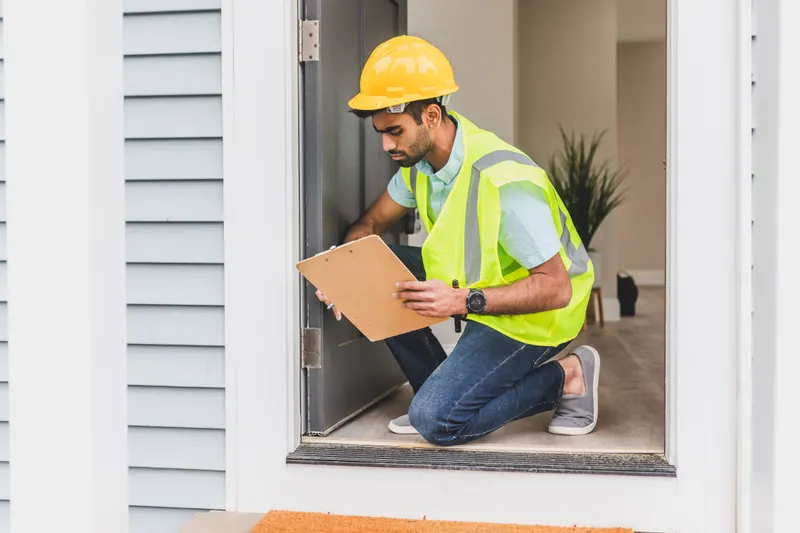
What a Home Inspection Should Cover on an Older Home in Hampton Roads
Foundations, crawl spaces, roofs, wiring, plumbing, lead paint, termites and flood risk: what to have inspected before buying an older home in Hampton Roads.
Read more →
Pros and Cons of Buying New Construction in Hampton Roads
An honest look at what you gain and give up with a brand-new home in Chesapeake, Virginia Beach, Norfolk or Portsmouth, and who tends to do better with a resale home.
Read more →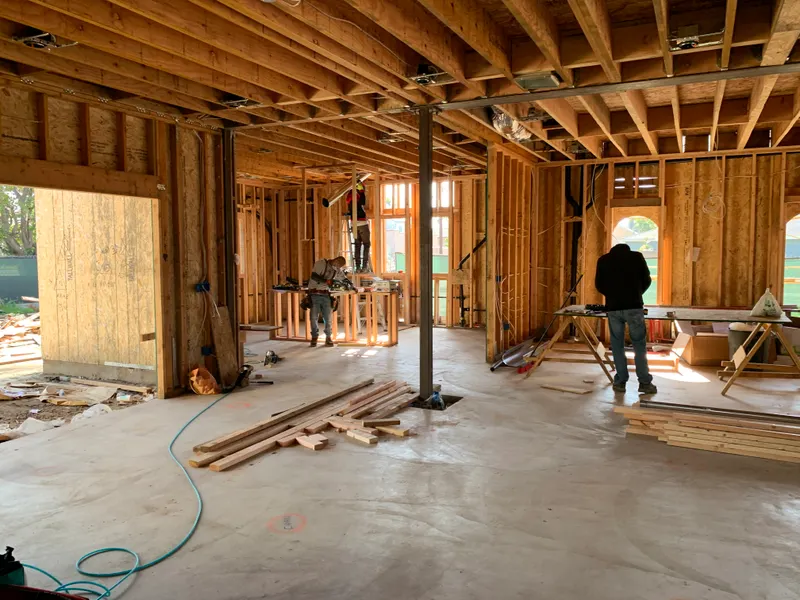
How to Vet a Home Builder in Hampton Roads Before You Sign
Visiting finished communities, talking to homeowners, reading reviews critically, checking a builder's Virginia contractor license, asking about warranty claims and spotting red flags.
Read more →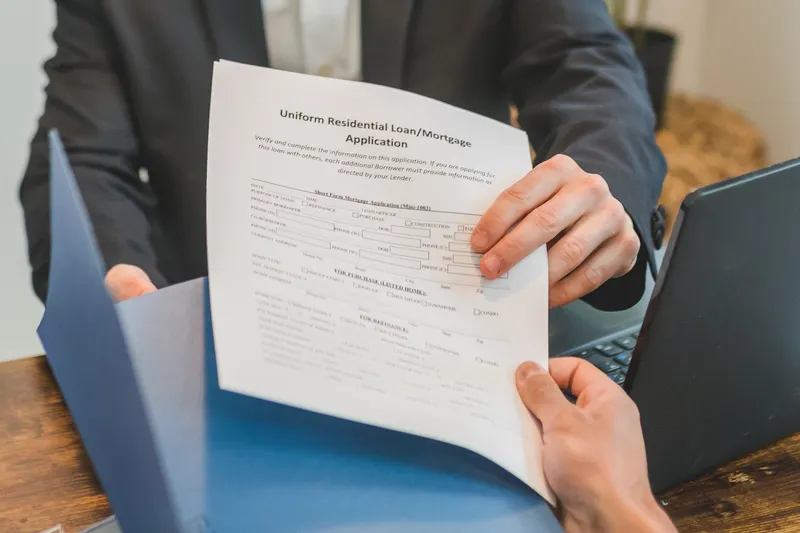
VA Loans in Hampton Roads: A First-Time Buyer's Guide
Zero down, no PMI and flexible credit — here's how VA loans work for military buyers in Hampton Roads.
Read more →
FHA Loans for First-Time Buyers in Hampton Roads
Lower down payments and flexible credit requirements make FHA loans a popular first-time buyer option.
Read more →