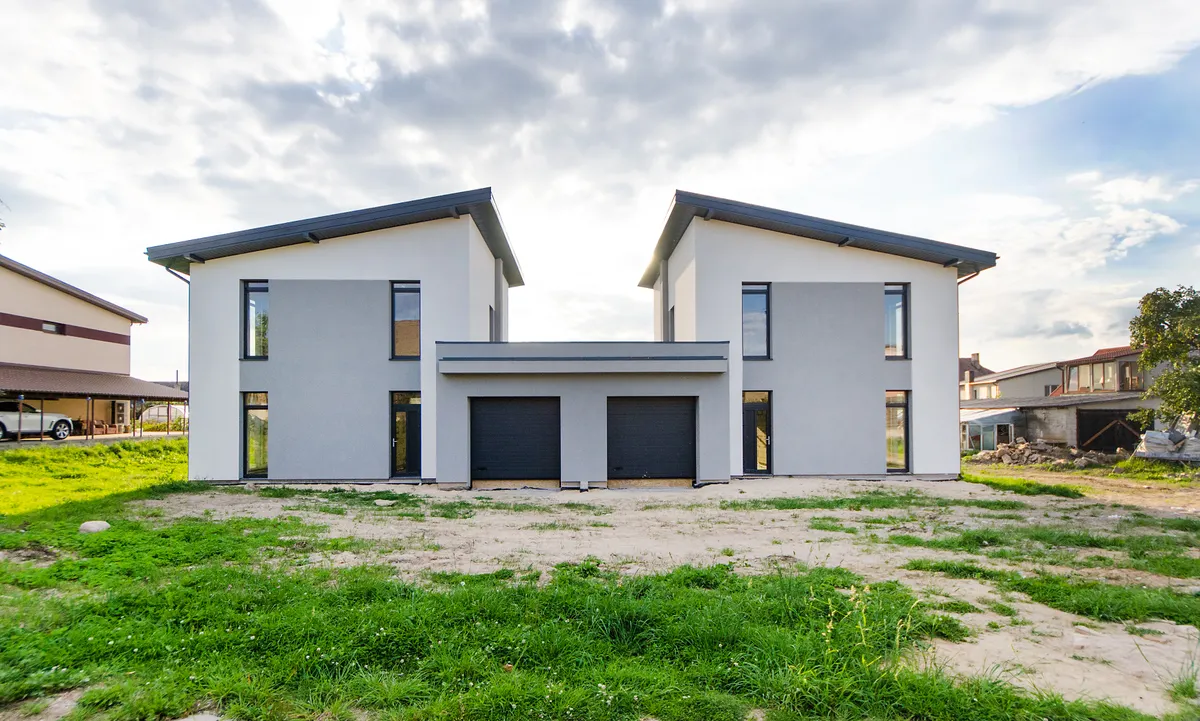
New Isn't Automatically Better, or Worse
When buyers tell me they want new construction, I always ask the same follow-up: what is it about new that matters most to you? Sometimes the answer is peace of mind. Sometimes it's a floor plan they can't find in older homes. Sometimes it's simply that the model home looked great. All of those are fair reasons, but each one points to a different set of trade-offs.
This article is about whether new construction is the right fit for you. If you've already decided and want to know how buying from a builder works, from bringing your own agent to the sales office to builder lenders, inspections, HOAs and flood checks, start with my process guide, Should I Buy New Construction in Hampton Roads?.
Below, I'll walk through the real advantages, the real downsides, and the kinds of buyers who tend to be happiest with each choice.
The Pros: Everything Is Brand New
The biggest advantage is obvious, and it's a good one. The roof, the HVAC system, the water heater, the appliances, the flooring, the windows and the plumbing are all new. You aren't inheriting someone else's deferred maintenance or wondering how many years are left on a furnace.
That usually means you can avoid paying out of pocket for major repairs or remodeling for years. For buyers who are stretching to reach their price range, that matters. A resale home at the same price might need a roof or a new HVAC system in the first few years, and those costs land on top of your mortgage payment. My guide on how much house you can afford talks about keeping room in the budget for exactly those surprises.
New homes are also built to current building codes, which generally means better insulation, more efficient windows and systems, and modern electrical capacity for how we live now.
The Pros: Warranties, Layouts and Choosing Your Finishes
Most builders include warranties on workmanship and on the structure, plus manufacturer warranties on appliances and systems. Terms vary a lot from builder to builder, so read them closely. My guide to new construction warranties explains what they typically cover and how to use them.
Modern layouts are another draw. Open kitchens, a primary suite with a real closet, a laundry room upstairs near the bedrooms, a flex space for working from home: many older homes in Hampton Roads simply weren't designed that way, and changing a layout can be expensive.
Finally, if you buy early enough in the process, you often get to choose cabinets, counters, flooring and fixtures. There's real satisfaction in moving into a home that already looks the way you want it to.
The Cons: Little Equity on Day One
This is the downside I want every buyer to understand before signing. When you buy new, you're paying a new-home price. That price includes the builder's costs and margin, and it often includes upgrades that don't add as much to the appraised value as they cost. The result is that you may start with little or no built-in equity.
With a resale home, a buyer can sometimes find a house priced below what it could be worth after some work. With new construction, that opportunity is usually smaller. Equity may take longer to build, and it depends on things nobody can promise, like how the market moves and how the neighborhood fills in.
I go deeper on this in Does New Construction Build Equity?, including how appraisals work on new builds and how incentives affect the real price.
The Cons: Upgrades, Delays, HOAs and the Builder Itself
Upgrades and lot premiums add up fast. The base price you see on a sign rarely matches what buyers actually pay once they've picked finishes and a lot they like. Setting an upgrade budget before you visit the design center is one of the best things you can do.
Construction delays happen. Weather, materials, labor and inspections can all push a closing date. If you're renting, on a lease that ends on a fixed date, or moving on military orders, a delay can mean extra rent, storage or temporary housing. Ask how the contract handles delays before you sign.
Most new communities have HOAs with dues and rules about fences, sheds, parking and rentals. And the builder's reputation matters a lot, because you're relying on them to build well and to stand behind their warranty. My guide on how to vet a home builder walks through how to check.
Who New Construction Tends to Suit
New construction often fits buyers who plan to stay put for a while, who value predictability over getting the lowest possible price, and who don't want to take on repairs or renovations. It can also suit buyers who want specific features, like a first-floor primary bedroom or a layout for working from home, that are hard to find in older neighborhoods.
In Hampton Roads, many newer homes are in areas like Grassfield, Hickory, Edinburgh, Princess Anne, Red Mill Farm, Dam Neck and Fairwood Homes. Those guides describe the housing in each area so you can compare.
Military families and relocating buyers sometimes like new construction because it means fewer unknowns when you're buying from a distance. If that's you, my VA loan guide for new construction and my relocating to Hampton Roads page are good next reads.
Who Might Do Better With a Resale Home
A resale home may be the better choice if you want an established neighborhood with mature trees and a shorter commute, if you're comfortable with some updating in exchange for more space or a better location, or if you might sell within a few years and want the best chance of building equity quickly.
Buyers who enjoy projects sometimes find more value in an older home. My guides on buying a fixer-upper and what an inspection should cover on an older home explain what to look for. If you're still deciding whether to buy at all, renting vs. buying and is now a good time to buy are good places to start.
Often the smartest move is to tour both. Seeing a new build and a comparable resale home in the same week makes the trade-offs very clear.
Let's Compare Your Options Side by Side
I'll help you compare new construction against resale homes in the same price range, run the payments with the mortgage calculator, and use the home buyer checklist to keep every step on track. Whichever way you go, you'll know what you're giving up and what you're getting.
When you're ready to talk it through, reach out to me directly, or read how I work as your Hampton Roads buyer's agent so you know exactly what to expect from the first call through closing day.
This article is general information, not legal or financial advice. Check current rates, programs, warranty terms and loan rules with a licensed lender, attorney or the builder in writing before you make a decision.
Related articles
Is Now a Good Time to Buy a Home in Hampton Roads?
Instead of trying to time the market, here's how I help buyers decide whether now is the right time for them to buy in Chesapeake, Norfolk, Portsmouth or Virginia Beach.
Read more →
Should I Buy New Construction in Hampton Roads? A Buyer's Guide
Builder incentives, preferred lenders, why to bring your own agent to the sales office, independent inspections, HOAs and flood and drainage questions on new builds.
Read more →
Should I Buy a Fixer-Upper in Hampton Roads? What to Know First
Repair budgets, renovation loans like FHA 203(k), VA condition requirements, contractor bids before closing and when to walk away from a fixer-upper.
Read more →
Renting vs. Buying in Hampton Roads: How to Decide
The real costs of renting and owning, how long you plan to stay, military considerations and the questions that help you decide which makes sense right now.
Read more →
How Much House Can I Afford in Hampton Roads?
Your full monthly payment, what lenders look at, cash to close and the local costs, like flood insurance and HOAs, that change what you can comfortably afford.
Read more →
What a Home Inspection Should Cover on an Older Home in Hampton Roads
Foundations, crawl spaces, roofs, wiring, plumbing, lead paint, termites and flood risk: what to have inspected before buying an older home in Hampton Roads.
Read more →