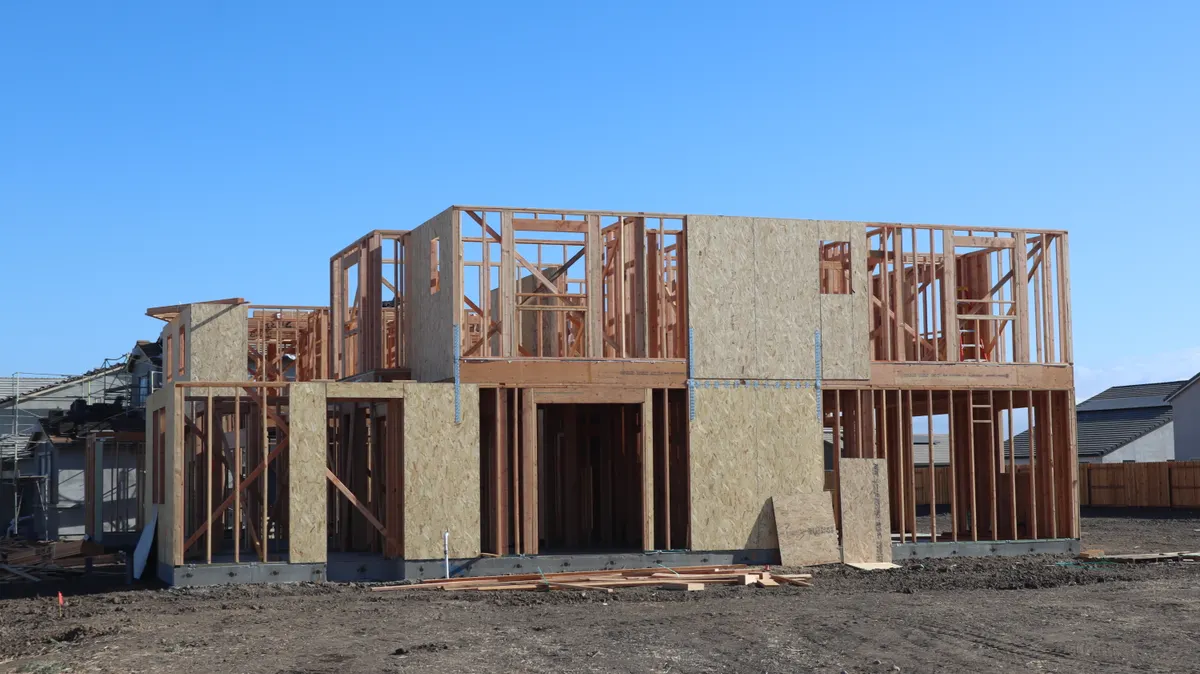
Why New Construction Appeals to So Many Buyers
Brand-new homes are appealing for good reasons. Everything is new, from the roof to the appliances, you often get to choose finishes, and modern floor plans tend to be more open and energy-efficient than older homes. For buyers who want fewer surprises in the first few years, that peace of mind is a big deal.
In Hampton Roads, much of the new construction is in the growing parts of Chesapeake, Virginia Beach and Portsmouth, in areas like Grassfield, Hickory, Edinburgh, Princess Anne, Red Mill Farm, Dam Neck and Fairwood Homes in Portsmouth. But new doesn't automatically mean perfect, and buying from a builder works differently than buying a resale home.
This guide covers what I want every buyer to know before they walk into a model home.
Bring Your Own Agent to the Sales Office
The friendly person in the model home works for the builder. Their job is to sell the builder's homes on the builder's terms. That doesn't make them bad people, but it does mean they aren't there to look out for you.
A buyer's agent represents you. I review the builder's contract, which is usually written to protect the builder, help you compare incentives, ask about timelines and what happens if construction is delayed, and keep track of deadlines. I also help you compare the new home against nearby resale homes so you know whether the price makes sense.
One important tip: many builders require your agent to be with you, or registered, on your very first visit. If you walk in alone and sign the guest book, you may lose the ability to have your own representation for that community. Call me before your first visit. You can read more about how I work as your Hampton Roads buyer's agent.
Builder Incentives and Preferred Lenders
Builders often offer incentives, such as help with closing costs, a rate buydown or upgrades. These can be valuable, but they often come with a condition: you must use the builder's preferred lender or title company.
That can still be a good deal, but compare it. Get a loan estimate from the builder's lender and at least one other lender, then look at the rate, fees and total cost, not just the incentive. Sometimes the incentive covers higher costs elsewhere. Sometimes it really is the better offer.
Ask what happens to the incentive if you choose your own lender, and get every incentive in writing in the contract. My guide on buying when interest rates are uncertain explains how buydowns work, and the mortgage calculator helps you compare payments.
Upgrades, Lot Premiums and the Real Price
The base price on a new home is rarely what buyers actually pay. Upgrades like flooring, cabinets, countertops, lighting and appliances add up quickly, and some lots cost extra because of size, location or water views.
Before you start choosing finishes, set a firm upgrade budget. Focus on items that are hard or expensive to change later, like structural options, and consider saving cosmetic upgrades for after you move in. Also remember the appraisal: upgrades don't always add as much value as they cost, which matters if the home needs to appraise for your loan.
Yes, Get an Independent Inspection
Many buyers assume a new home doesn't need an inspection because the city inspected it. City inspections check for code compliance at certain stages, but they aren't the same as a detailed inspection working for you.
I recommend hiring an independent home inspector, ideally at key stages: before the drywall goes up, so they can see framing, wiring and plumbing, and again before closing. Then consider another inspection before your builder warranty runs out, so any issues can be reported while they're still covered.
Check the builder's contract for rules about inspections and access to the site. Some builders limit when inspectors can visit, so it's best to know up front.
HOAs in New Communities
Most new-construction communities in Hampton Roads have homeowners associations. Dues can cover amenities like pools, clubhouses, trails and common area maintenance, and HOAs also set rules about fences, sheds, parking and rentals.
In a brand-new community, the builder often controls the HOA until enough homes are sold. Ask what the dues are now, whether they're expected to change, and what reserves are planned. Read the covenants carefully, especially if you might rent the home out later. My investment buyers page covers why rental rules matter.
Flood Zones, Drainage and Lot Grading
Hampton Roads is low-lying, and that doesn't change just because a home is new. Some new communities are built on land that was once farmland or wetlands, near canals or retention ponds. Ask whether the lot is in a FEMA flood zone, how stormwater drains, and how the lot is graded.
I pull flood maps for the specific lot and encourage buyers to get insurance quotes early, since flood insurance can affect your monthly payment. During inspections, have the inspector look at grading, gutters and where water flows away from the foundation.
Timelines and Warranties
If you're buying a home that hasn't been built yet, expect the timeline to move. Weather, materials and labor can all cause delays. If you're on a fixed date, like military orders or a lease ending, ask about move-in-ready inventory homes instead. My PCS and military page and relocating page cover planning around tight timelines.
Most builders offer a warranty that covers different items for different lengths of time. Read it closely, keep a list of issues as you notice them, and report them in writing before the deadlines.
New Construction vs. Resale
New construction isn't always the best fit. Resale homes in established neighborhoods often have larger lots, mature trees and shorter commutes, and you can sometimes negotiate more. If you're open to some work, read my guide on buying a fixer-upper, and if you love older homes, see what a home inspection should cover on an older home.
Still deciding whether to buy at all? Start with is now a good time to buy in Hampton Roads and my home buyer checklist.
Let's Visit the Builders Together
I'll go to the sales offices with you, compare incentives and lenders, keep your inspections on track, and make sure the builder's contract works for you too.
When you're ready to talk it through, reach out to me directly, or read how I work as your Hampton Roads buyer's agent so you know exactly what to expect from the first call through closing day.
This article is general information, not legal or financial advice. Check current rates, programs and figures with a licensed lender, attorney or tax professional before you make a decision.
Related articles

Pros and Cons of Buying New Construction in Hampton Roads
An honest look at what you gain and give up with a brand-new home in Chesapeake, Virginia Beach, Norfolk or Portsmouth, and who tends to do better with a resale home.
Read more →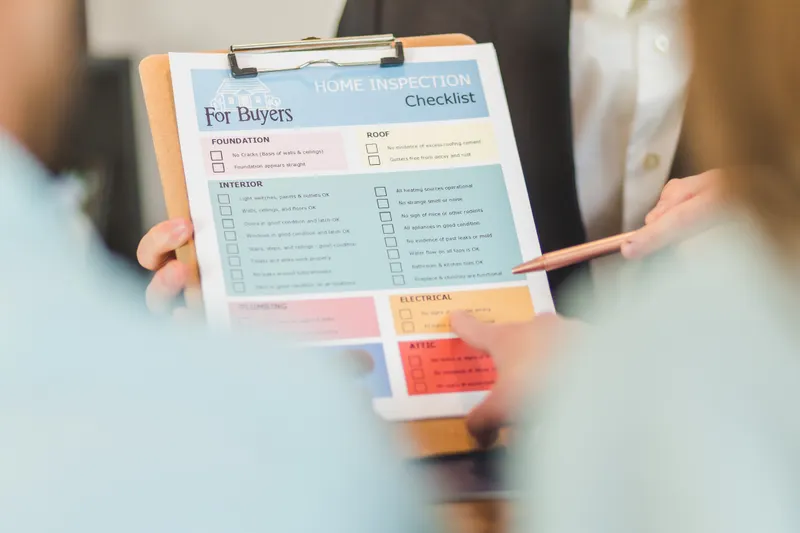
New Construction Warranties Explained: What Hampton Roads Buyers Should Know
What builder warranties typically cover and don't, why terms vary by builder, how to report issues in writing before deadlines, and why an inspection before the one-year mark is smart.
Read more →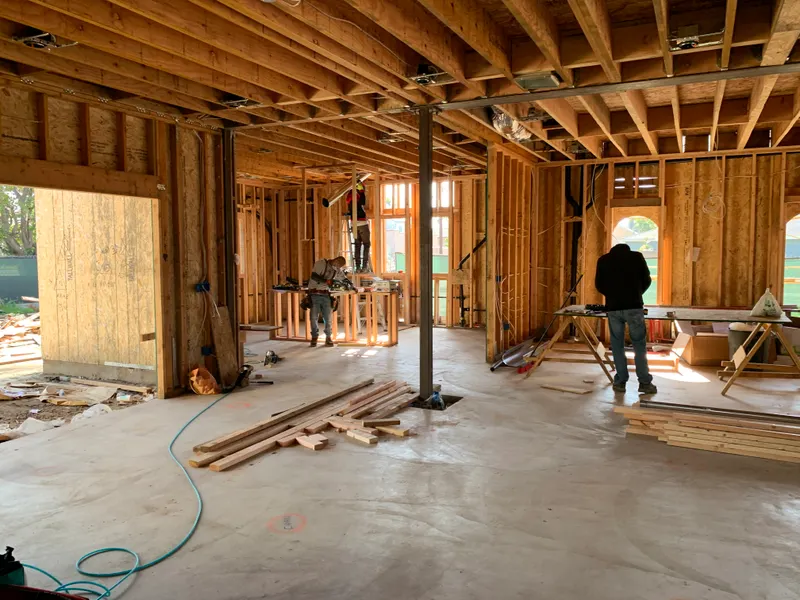
How to Vet a Home Builder in Hampton Roads Before You Sign
Visiting finished communities, talking to homeowners, reading reviews critically, checking a builder's Virginia contractor license, asking about warranty claims and spotting red flags.
Read more →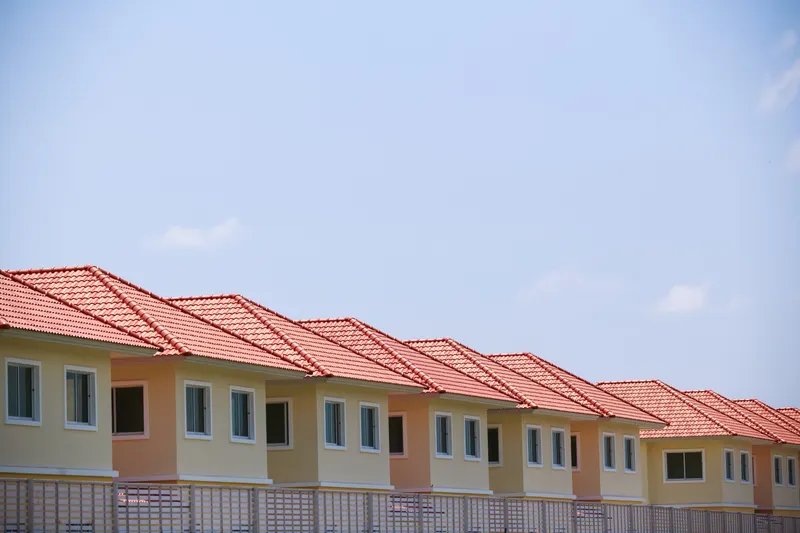
Does New Construction Build Equity in Hampton Roads?
Why new builds often start with little equity, what affects how fast equity grows, how appraisals and builder incentives factor in, and how a new home compares to resale when it's time to sell.
Read more →
Buying New Construction With a VA Loan in Hampton Roads
How VA financing works with new construction, builder incentives and preferred lenders, VA appraisals and builder warranties, and timing a build around PCS orders.
Read more →
Is Now a Good Time to Buy a Home in Hampton Roads?
Instead of trying to time the market, here's how I help buyers decide whether now is the right time for them to buy in Chesapeake, Norfolk, Portsmouth or Virginia Beach.
Read more →