There's No One Right Answer
Renting isn't throwing money away, and buying isn't always the smart choice. Both make sense in different situations. The right answer depends on how long you'll stay, your finances and what you want from your home.
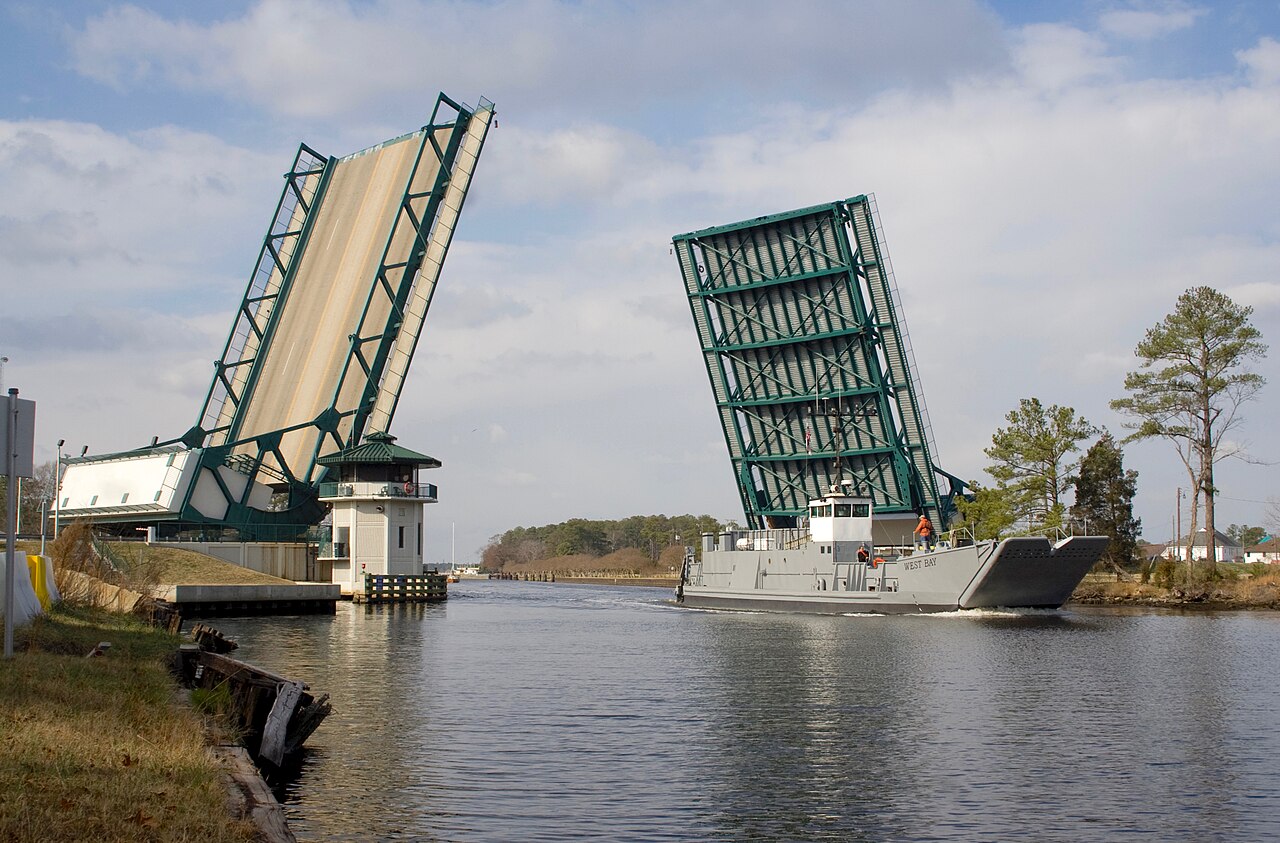
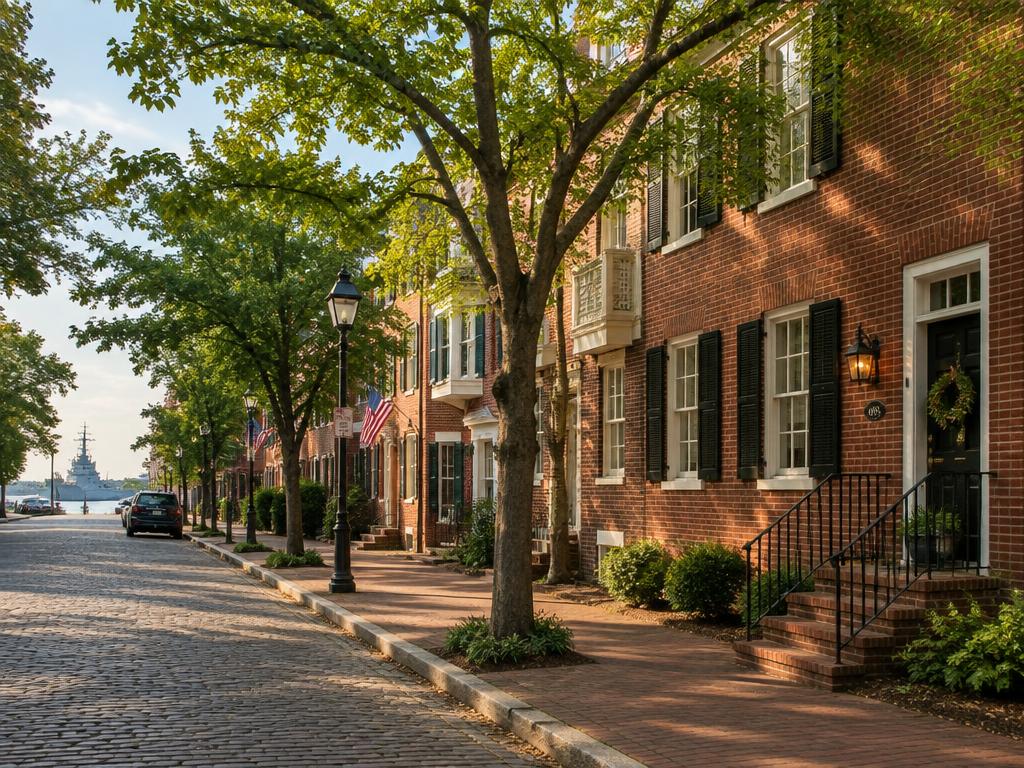
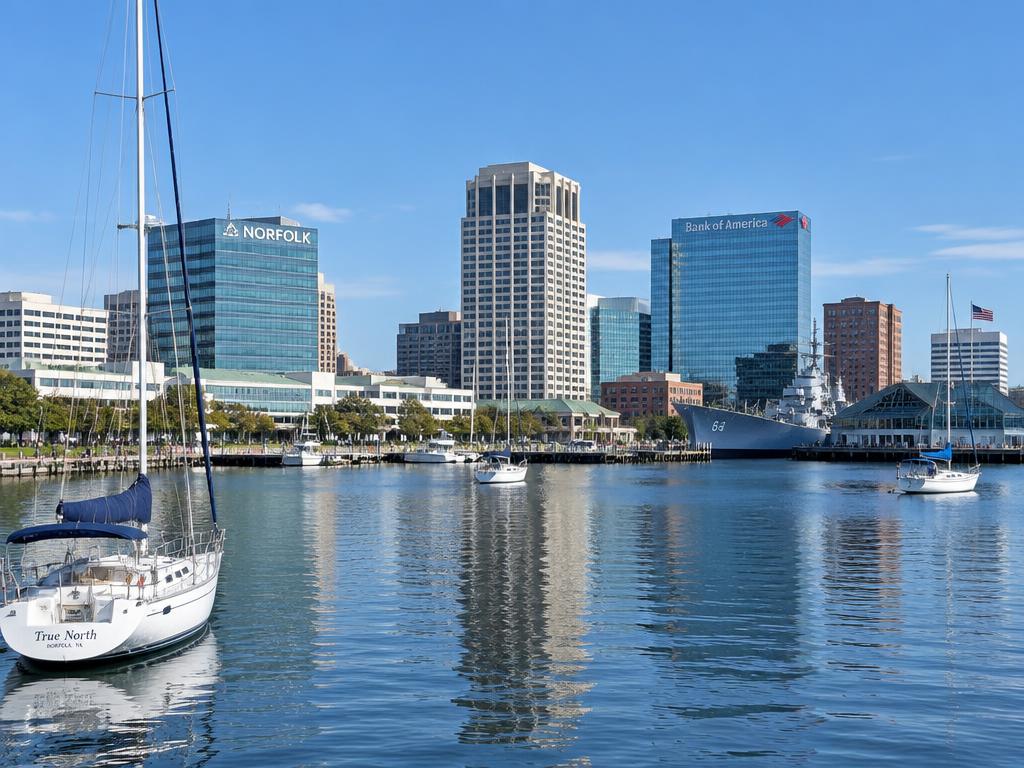
I help people buy homes for a living, but I'll tell you honestly when renting makes more sense. This guide walks through how I help people across Chesapeake, Norfolk, Portsmouth and Virginia Beach think it through.
Comparing the Real Monthly Costs
When people compare rent to a mortgage, they often compare rent to just the loan payment. That isn't a fair comparison. Owning also includes property taxes, homeowners insurance, possible flood insurance, HOA dues and maintenance. Renters may pay renters insurance and some utilities, but the landlord usually handles repairs.
To compare fairly, add up the full monthly cost of owning a home you'd actually buy, then compare it to the rent for a similar home. My mortgage calculator helps with the payment, and my guide on how much house you can afford covers the rest.
The Up-Front Costs Are Different
Renting usually requires a security deposit and first month's rent. Buying requires a down payment (which can be little or nothing with some loans), closing costs, an inspection, an appraisal and money for moving in. Buyers should also keep savings for repairs after closing.
Loan programs can lower the cash you need. VA loans, FHA loans, USDA loans and Virginia Housing down payment assistance all help different buyers.
How Long You'll Stay Matters Most
Buying and later selling both carry costs. If you move again soon, those costs can eat up any equity you've built. The longer you stay, the more time those costs have to spread out and the more equity you build through your payments.
If you might move within a short time, renting may be the better choice. If you're settling in for several years, buying often comes out ahead. Your situation is what counts, so let's look at your numbers.
What You Get From Owning
Owning gives you stability, since your principal and interest stay the same on a fixed-rate loan while rents can rise. You build equity over time, you can make the home your own, and you don't face a landlord deciding not to renew your lease.
Owning also means responsibility. When the water heater fails or the roof leaks, it's on you. Budget for maintenance every year, especially in an older home. If that sounds like a lot, what a home inspection should cover on an older home and should I buy new construction can help you pick the right type of home.
What You Get From Renting
Renting offers flexibility. You can move when your lease ends, you don't handle major repairs, and you aren't tied to one neighborhood. For someone new to the area, renting for a while can be a smart way to learn the region before buying.
If you're relocating, my relocating page explains how I help buyers compare neighborhoods, sometimes even before they arrive.
Military Families: A Different Calculation
Hampton Roads is home to a large military community, and for service members, the rent-vs-buy decision often includes a third option: buy now and keep the home as a rental after your next set of orders. That can work well, but it means being a landlord, possibly from far away.
If that's your plan, choose a home that would rent well, check HOA rental rules and understand the costs of property management. My PCS and military page, investment buyers page and VA vs. FHA comparison cover the details.
Questions to Ask Yourself
How long do I expect to stay? Is my income steady? Do I have savings for a down payment, closing costs and a cushion? Am I comfortable handling repairs? Do I know which part of Hampton Roads I want to live in?
If most of your answers point toward stability, buying may be a good fit. If they point toward change, renting for now may be wiser. My guide on whether now is a good time to buy and buying when interest rates are uncertain can help too.
If You Decide to Buy
Start with a pre-approval from a lender so you know your real budget, then use my home buyer checklist to see each step. First-time buyers should also read my first-time homebuyers page.
Let's Compare Your Options
I'm happy to walk through your rent, your budget and the homes you'd consider, and give you an honest take on whether buying makes sense now or later.
When you're ready to talk it through, reach out to me directly, or read how I work as your Hampton Roads buyer's agent so you know exactly what to expect from the first call through closing day.
This article is general information, not legal or financial advice. Check current rates, programs and figures with a licensed lender, attorney or tax professional before you make a decision.
Related articles
VA Loans in Hampton Roads: A First-Time Buyer's Guide
Zero down, no PMI and flexible credit — here's how VA loans work for military buyers in Hampton Roads.
Read more →
FHA Loans for First-Time Buyers in Hampton Roads
Lower down payments and flexible credit requirements make FHA loans a popular first-time buyer option.
Read more →
USDA Loans in Hampton Roads: Zero-Down Financing for Rural and Suburban Areas
No down payment, lower mortgage insurance and a property map that matters — here's how USDA loans work in the rural parts of Hampton Roads.
Read more →
Virginia Housing Down Payment Assistance: A First-Time Buyer's Guide for Hampton Roads
Grants, second mortgages and first-time buyer loans from Virginia Housing — how they work, who qualifies and how they pair with FHA or conventional financing.
Read more →
Is Now a Good Time to Buy a Home in Hampton Roads?
Instead of trying to time the market, here's how I help buyers decide whether now is the right time for them to buy in Chesapeake, Norfolk, Portsmouth or Virginia Beach.
Read more →
Buying a Home When Interest Rates Are Uncertain: What You Can Control
Rate buydowns, seller concessions, refinancing later and the parts of a home purchase you can actually control when interest rates are hard to predict.
Read more →