A Neighborhood Built for the Shipyard
Douglas Park, sometimes written locally as Douglass Park, started as federal housing built during World War II to house the flood of workers needed at Norfolk Naval Shipyard, and the government offered the homes for sale to residents and veterans in 1956 [2](https://scholar.lib.vt.edu/VA-news/VA-Pilot/issues/1996/vp960623/06210224.htm). That history still shapes the neighborhood today. It's a close-knit, walkable pocket where families have owned and passed down homes for generations rather than turning them over quickly, and longtime residents still gather for reunions that celebrate the community's roots.
Understanding that history helps when we're marketing your home, since buyers who value a genuine sense of community, not just square footage, respond to it. It also explains why you'll see so many similarly-scaled homes built to a common original plan, with individual owners having customized, expanded or updated them differently over the decades.
Who's Buying in Douglas Park
Douglas Park attracts a mix of first-time buyers looking for an affordable entry point into Portsmouth, investors buying rental property, and military or shipyard families who want a short commute without a big price tag [1](https://www.neighborhoodscout.com/va/portsmouth/truxton).
Some buyers are also drawn by the neighborhood's long community history and multigenerational ties, which gives Douglas Park a different emotional pull than newer, less rooted parts of the city [4](https://scholar.lib.vt.edu/VA-news/VA-Pilot/issues/1996/vp960623/06210224.htm). Compared with buyers touring Cradock for its historic-district identity, Douglas Park buyers tend to prioritize value and commute over architectural pedigree.
Streets, Lot Sizes and What Buyers Notice
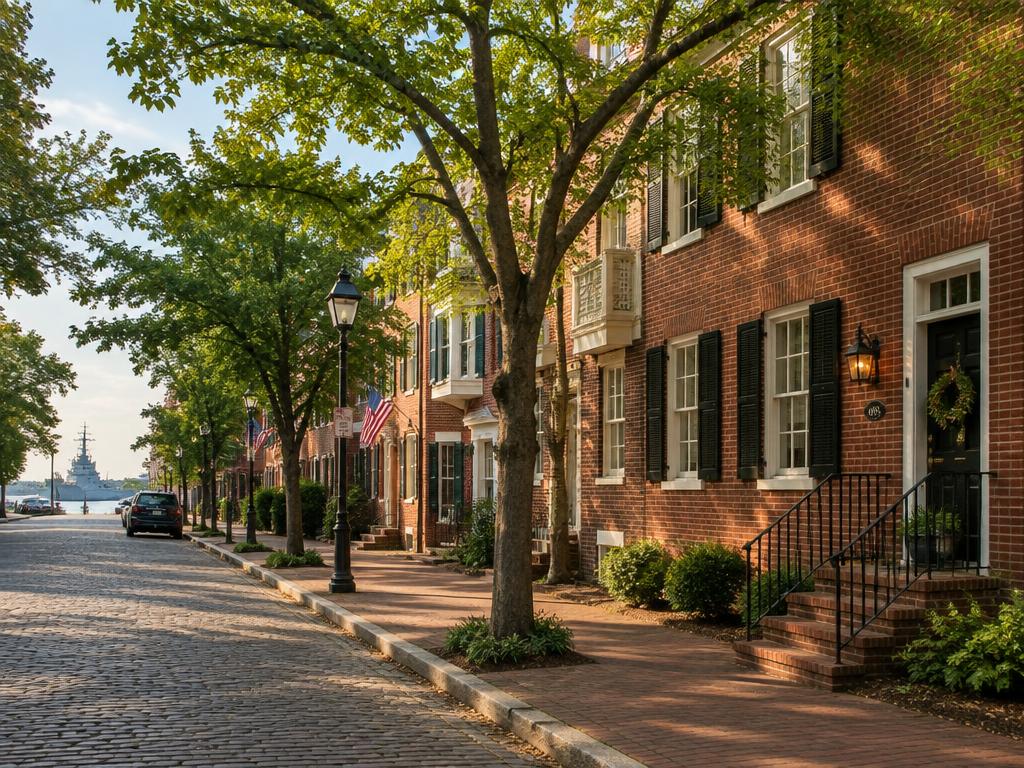
Douglas Park's blocks are compact and walkable, with modest lot sizes typical of 1940s-era planned housing. Buyers touring here notice practical things: off-street parking, fencing, whether a carport or garage has been added, and whether a home has been expanded beyond its original footprint. Those details can set one listing apart from a nearly identical one a few doors down.
Because the neighborhood sits close to other established Portsmouth pockets like Cradock and downtown, buyers cross-shopping the area often compare walkability, price and commute time across a few neighborhoods before deciding. I make sure your listing speaks directly to those comparisons rather than describing your home in a vacuum.
Everyday Life Around Douglas Park
Day to day, Douglas Park residents are close to Portsmouth's core amenities: Naval Medical Center Portsmouth sits nearby, and it's a short drive to grocery stores, churches and the shops and restaurants of Olde Towne and downtown Portsmouth. Many streets are quiet enough for evening walks, and the neighborhood's grid layout makes it easy to get around without relying on major roads.
For buyers weighing commute time above almost everything else, that proximity to the shipyard and the Portsmouth tunnels is often the single biggest selling point, and I make sure it's front and center in how we position your home against competing listings in other parts of the city.
Pricing by Condition and Section
Because homes here span multiple building eras, roughly 1940s through 1960s construction alongside some newer infill, pricing depends heavily on condition and updates rather than just location within the neighborhood [1](https://www.neighborhoodscout.com/va/portsmouth/truxton).
A recently renovated home with updated systems will price well above an original, unrenovated property nearby, even on the same street. I'll pull recent comparable sales specific to your home's condition and era, and my home value tool can help you get an early estimate before we set a list price.
Getting a Mid-Century Home Market-Ready
Buyer priorities here tend to be practical: a functioning roof, updated electrical, working HVAC and a clean, move-in-ready kitchen and bathrooms go further than cosmetic staging alone. Address any deferred maintenance you can before listing, since inspection-driven negotiations are common on homes this age.
A fresh coat of paint, decluttering, and basic curb appeal work (lawn, exterior touch-ups) still matter and are usually a good return on investment relative to their cost. If your home's original layout feels closed-off compared with what buyers see in newer construction, simple things like updated lighting and opening sightlines between rooms can help it show larger without a major renovation.
Flood Considerations and Insurance
Like much of low-lying Portsmouth, parts of the area around Douglas Park have documented drainage and flood concerns tied to heavy rain events, and the city has published guidance for residents on flood risk and mitigation [3](https://portsmouthva.gov/DocumentCenter/View/1912/Flood-Pamphlet-PDF). Before we list, I'll help you check the FEMA flood zone status for your specific address, since that affects both required disclosures and how a buyer's lender may treat flood insurance.
Being upfront with buyers about drainage patterns, any past water intrusion, or crawl space moisture tends to build trust and heads off surprises during their own due diligence period.
How Douglas Park Compares to Nearby Options
Buyers shopping Douglas Park are often also looking at Cradock for its planned, historic-district charm, or considering Portsmouth's broader inventory of older, close-in neighborhoods. Douglas Park generally offers a lower entry price than these comparable pockets, which is part of why it draws first-time buyers and investors looking to stretch their budget.
When we set your price and write your listing description, I look at how your home compares not just to other Douglas Park sales but to that wider set of nearby options buyers are cross-shopping, so we're positioned accurately rather than guessing.
Marketing the Neighborhood's Strengths
Your listing should highlight what Douglas Park buyers actually care about: quick access to I-264 and the tunnels, proximity to Norfolk Naval Shipyard and Naval Medical Center Portsmouth, and an established, walkable community with real history [3](https://www.aaroads.com/guides/i-264-east-portsmouth-va) [4](https://scholar.lib.vt.edu/VA-news/VA-Pilot/issues/1996/vp960623/06210224.htm).
Commute-focused marketing resonates strongly with shipyard and military buyers, so I make sure listings mention drive times to key destinations along with the usual photos and floor plan.
Required Disclosures
Virginia sellers complete the Virginia Residential Property Disclosure Statement, which generally places the burden on buyers to inspect and investigate the property themselves rather than requiring detailed condition disclosures.
Given Portsmouth's documented flood history and drainage concerns in some low-lying areas, I recommend being upfront about any past water issues, insurance claims, or flood zone status, both because it's good practice and because it heads off disputes after closing [3](https://portsmouthva.gov/DocumentCenter/View/1912/Flood-Pamphlet-PDF). My closing costs guide covers what sellers typically pay at settlement.
Negotiating Repairs and Credits
Given the age of most homes in Douglas Park, expect inspection-related negotiation on roofing, electrical, plumbing or HVAC. Being proactive, either through a pre-listing inspection or by pricing in likely repair needs upfront, tends to lead to smoother closings.
If you're managing a sale during a difficult personal transition, whether that's an inherited property, a pending foreclosure, or a divorce, my inherited property, pre-foreclosure and divorce pages walk through options beyond a standard sale.
Financing Considerations for Buyers Here
Given the price range typical of Douglas Park, many buyers here use FHA or VA financing, both of which carry their own appraisal and condition requirements. If your home has deferred maintenance items like peeling exterior paint, missing handrails or an aging roof, it's worth knowing those can hold up an FHA or VA appraisal, and I'll flag likely issues before we go under contract so they don't derail a closing.
Buyers using these loan programs can also read more about what to expect in my guides to FHA loans and VA loans, which I'll sometimes share directly with interested buyers to help move a transaction along smoothly.
Timing the Sale
Spring and early summer typically bring the most buyer activity in Portsmouth, partly tied to military relocation and school-year timing, but well-priced homes in Douglas Park move in other seasons too. If you're selling a rental property here, my sell rental property page covers timing considerations specific to investment sales.
Estimating Your Net Proceeds
Before listing, run the numbers: expected sale price, remaining mortgage balance, agent commissions, Virginia closing costs and any anticipated repair credits. My home value tool and closing costs guide will help you build a realistic estimate, and my home seller checklist walks through the full process from prep to closing. For a wider view of the local market, see my Portsmouth overview.
Preparing for Showings in a Close-Knit Community
Because Douglas Park is a tight community where neighbors know each other, word travels fast once a home hits the market. That can work in your favor: I often hear from agents and buyers who learned about a listing through a neighbor before it even showed up in their search alerts. Keeping your yard tidy and your home easy to show on short notice matters here as much as anywhere.
I also recommend timing photography for good light and a tidy street view, since exterior curb appeal carries extra weight in a neighborhood where buyers are comparing dozens of visually similar homes built from the same original plans.
Investors and Rental Buyers
Because of its affordability and steady rental demand from shipyard and military tenants, Douglas Park also draws investors. If you're selling a rental property here, buyers may ask about tenant leases, rent history and property condition reports, so having that paperwork organized ahead of listing keeps the process moving. My sell rental property page walks through the specifics of marketing an occupied or recently vacated investment property.
Getting Started
If you're considering selling a home in Douglas Park, I'm happy to walk the property with you, talk through realistic pricing based on recent comparable sales, and help you decide what prep is worth doing before we list. My home seller checklist is a good starting point if you're still deciding on timing, and my Portsmouth overview gives helpful context on the wider market this neighborhood sits within.