Who Buys in Cradock
Cradock draws a specific kind of buyer: people who want a historic cottage with a front porch, a walkable town-square layout, and a short commute to Norfolk Naval Shipyard and downtown Portsmouth. Many are shipyard employees, military families, or first-time buyers priced out of newer construction elsewhere in Hampton Roads.
You'll also see renovation-minded buyers and investors who recognize Cradock's National Register status and community pride as long-term value drivers, even when a particular house needs work [2](https://www.dhr.virginia.gov/historic-registers/124-0037/). Compared with buyers touring Douglas Park or the small historic streets near Emanuel, Cradock buyers are usually specifically seeking that planned-community, historic-district identity, not just any older Portsmouth home.
Knowing who's actually looking at your listing helps us decide how to prepare, price and market it, which is what the rest of this guide covers.
Preservation-minded buyers from outside Hampton Roads also find Cradock through its National Register listing, drawn to the idea of owning a piece of a deliberately planned, historic shipyard-worker community rather than a typical suburban resale [5](https://en.wikipedia.org/wiki/Cradock_Historic_District).
Pricing by Street and Condition
Pricing in Cradock varies more by condition and location within the district than almost anywhere else in Portsmouth. Homes on or near Afton Park and Prospect Way, in the most architecturally intact and walkable pocket, tend to command the most buyer interest when well maintained [3](https://en.wikipedia.org/wiki/Cradock_Historic_District).
Updated systems matter enormously here. A cottage with a newer roof, updated electrical and modern plumbing will price and sell very differently than a similar-looking house that hasn't been touched in decades, even on the same block. I'll walk your specific property against recent comparable sales in Cradock rather than relying on citywide averages, since this neighborhood's character makes block-by-block comparisons more reliable than broad ones.
If you're unsure what your home might net after commissions, closing costs and any repairs, my home value tool is a useful starting point before we set a list price together.
Homes on the outer streets of the roughly 310-acre historic district, farther from Afton Park, can still draw solid interest when well maintained, but the premium for walking distance to the square and its bandstand is real and worth factoring into your list price conversation [5](https://en.wikipedia.org/wiki/Cradock_Historic_District).
Preparing a Historic Cottage for the Market
Cradock's charm is also its challenge when it comes to prep. Buyers touring here expect character, original trim, hardwood floors, front porches, but they also expect the home to function like a modern house behind the walls. Focus your prep dollars on the things that scare buyers away at inspection: roof condition, electrical panel age, plumbing, and any signs of moisture near the crawl space or foundation.
Cosmetic updates matter too, but don't overspend removing original character in the name of modernizing. Refinished original hardwood floors, a freshly painted porch, and clean, updated fixtures usually do more for buyer impressions than tearing out period details.
If your home falls under Portsmouth's historic district guidelines, keep documentation of any exterior work you've done, since buyers and their agents will ask about compliance during due diligence [4](https://www.portsmouthva.gov/historic-districts).
Because Cradock's roughly 750 original cottages were intentionally varied in shape and detail to avoid a monotonous streetscape, no two houses prep exactly the same way, so I walk each seller's home individually rather than applying a generic historic-home checklist [3](https://en.wikipedia.org/wiki/Cradock_Historic_District).
Marketing What Makes Cradock Different
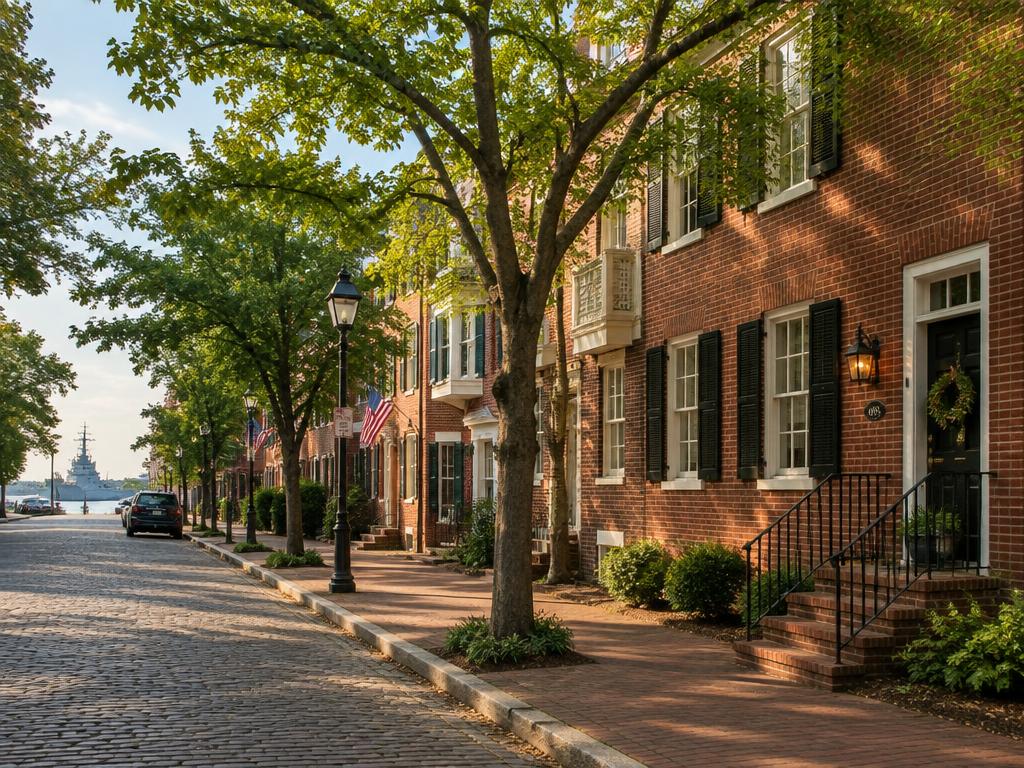
Your marketing should lean into what actually sets Cradock apart: a planned 1918 shipyard-worker community built around a town square, curving tree-lined streets, and walkable civic identity that most Portsmouth neighborhoods simply don't have [2](https://www.dhr.virginia.gov/historic-registers/124-0037/).
Photos should show the porch, the neighborhood's walkability, and proximity to Afton Park if applicable. Buyers relocating for the shipyard or military orders respond well to commute-focused messaging, since Cradock's location near George Washington Highway and Victory Boulevard is a genuine practical advantage, not just a nostalgia play.
I also make sure listings note any historic district status clearly and accurately, since some buyers specifically search for that designation and others need to understand what it means before they fall in love with the house.
I also highlight the neighborhood's original town-planning story, laid out in the shape of an anchor with Afton Park as its centerpiece, since that history genuinely differentiates Cradock listings from anything else on the market in Portsmouth [3](https://www.dhr.virginia.gov/historic-registers/124-0037/).
Required Disclosures for Sellers
Virginia is a caveat emptor state for most residential resales, but sellers still complete the Virginia Residential Property Disclosure Statement, which primarily directs buyers to inspect the property and investigate matters themselves rather than requiring detailed seller disclosures on most conditions.
Given Portsmouth's documented flood history along the Elizabeth and James Rivers, flood-related disclosures deserve extra attention if your property has ever flooded, been in a mapped flood zone, or carried a flood insurance claim [3](https://portsmouthva.gov/DocumentCenter/View/1912/Flood-Pamphlet-PDF). I'll walk you through exactly what's required and what's simply smart practice to disclose, so you're protected after closing.
My closing costs guide also covers what sellers typically pay at settlement in Virginia, which helps with your net proceeds planning.
I also encourage sellers near Paradise Creek or the district's low-lying edges to check their FEMA flood zone status directly, since flood risk can vary block by block even within a single historic district.
Negotiating with Older-Home Buyers
Buyers touring century-old cottages come in expecting to negotiate on inspection items, that's simply the nature of homes this age. Roofs, electrical, plumbing and foundation concerns are the most common repair requests I see in Cradock contracts.
Being proactive helps: consider a pre-listing inspection so you know what's coming, and be ready to offer credits or make targeted repairs rather than letting a deal fall apart over a manageable issue. Buyers who love the neighborhood generally want to make it work if the numbers are fair.
If your situation involves an inherited home, a difficult repair history, or a house that needs more work than a typical buyer wants to take on, my distressed properties and inherited property pages cover options beyond a standard retail listing.
Buyers who've researched the neighborhood's history often come in with real appreciation for its bones, which can make them more willing to work through inspection findings than a buyer touring a random older home with no context.
Timing Your Sale
Like most of Hampton Roads, Cradock tends to see more buyer activity in spring and early summer, partly driven by military and shipyard family relocation schedules tied to the school year and PCS season. That said, a well-prepared, well-priced historic cottage can sell in any season if it's marketed correctly.
If you're on a military timeline, coordinate your listing date with your orders early, since historic homes sometimes take a bit longer to find the right buyer than a move-in-ready newer property. My PCS and military page covers how I plan around orders and deployment timelines.
Cradock's strong sense of community also means word travels fast among locals who've long wanted to buy into the neighborhood, so a well-marketed listing here can generate interest quickly regardless of season.
Understanding Your Net Proceeds
Before you list, it's worth running the full math: your likely sale price, remaining mortgage balance, agent commissions, Virginia closing costs, and any repair credits you expect to offer. My home value tool and closing costs guide can help you build a realistic estimate before we ever put a sign in the yard.
If you're downsizing out of a Cradock cottage after years in the neighborhood, or handling a sale as part of a divorce or estate, I also have dedicated guidance on my downsizing, divorce and inherited property pages. My home seller checklist walks through the full process from prep to closing day.
If your Cradock home needs work a typical retail buyer won't take on, it's worth discussing your options with me before listing, since not every historic cottage sale needs to go the traditional route.
How Cradock Compares to Nearby Portsmouth Neighborhoods
Buyers cross-shopping Cradock often also look at Douglas Park or Port Norfolk, two other older Portsmouth neighborhoods with their own distinct character, so I make sure your listing clearly communicates what sets your specific street and home apart.
Because Cradock's identity as a planned historic district is so specific, buyers who are serious about it tend not to be casually cross-shopping with newer subdivisions elsewhere in the city, which can work in your favor once the right buyer finds your listing.
For a broader look at Portsmouth's market and commute patterns, my Portsmouth overview is a useful companion to this guide.