Who Buys in Churchland
Churchland attracts a broad range of buyers: young families upgrading from smaller Portsmouth neighborhoods, move-up buyers from elsewhere in Hampton Roads, military families using VA loans, and retirees looking to downsize into a manageable ranch with river access nearby. Waterfront listings tend to draw a distinct buyer specifically searching for dock or pier access.
Knowing which of these buyer types is most likely to want your particular home helps determine how we price, prep and market it.
I also see a fair number of buyers relocating from other parts of Hampton Roads specifically for Churchland's schools and its shorter drive to Naval Medical Center Portsmouth and the shipyard, compared with newer subdivisions farther west in the city.
Some buyers are also drawn specifically by Churchland's reputation as one of Portsmouth's more established, well-kept neighborhoods, with an older housing stock that's been maintained rather than flipped, which appeals to buyers who want a genuine long-term home rather than a quick resale.
Churchland's Neighborhoods and Housing Eras
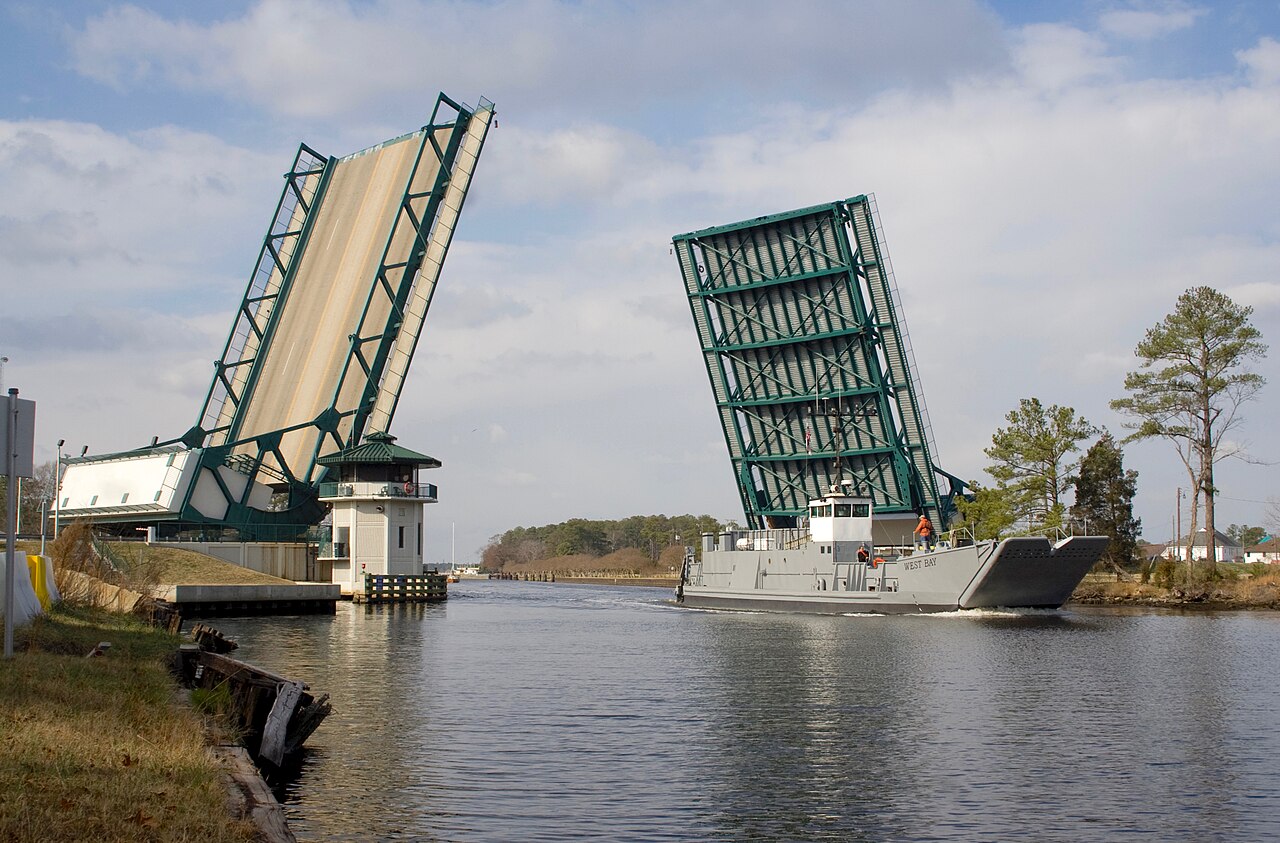
Churchland isn't one uniform pocket of homes; it's a collection of subdivisions built over several decades. Older sections near Cedar Lane and the streets closest to Churchland City Park tend to have mid-century ranches and Cape Cods, while communities like River Pointe, built along the Western Branch where it meets Carney Creek, brought newer single-family homes, townhouses and condominiums to the waterfront in more recent decades.
That range of housing stock and eras means Churchland buyers can choose between an established, mature-tree neighborhood with larger lots or a newer, more maintenance-light townhouse or condo close to the water. When I'm pricing your home, I look specifically at which of these sub-markets it competes in rather than treating Churchland as a single average.
Twin Pines, Elizabeth Manor and the streets closer to Portsmouth Boulevard round out the mix, each with its own lot sizes and typical buyer profile. If you're not sure how your specific pocket compares to a neighboring one, that's exactly the kind of local detail I walk sellers through before we set a price.
Because these pockets differ so much in age and style, I recommend sellers ask me directly which nearby sales I'm using as comps and why, rather than assuming every 'Churchland' listing online is truly comparable to yours.
Pricing by Section and Condition
Churchland's pricing varies meaningfully by section: homes closer to the Western Branch waterfront generally command a premium over interior lots, and homes near Route 17's commercial corridors may price differently than those on quieter residential streets. Recent market data has shown noticeable year-over-year price growth in parts of Churchland, so an accurate, current comparable analysis matters more than ever.
I pull comps from the closest, most similar homes in your specific pocket of the neighborhood rather than relying on a citywide average. For a data-driven starting point, try my home value estimate tool.
Condition matters as much as location here. A ranch with an updated kitchen and newer roof in an older section can out-price a dated home in a newer, more desirable pocket, so don't assume your section alone determines your number.
It's also worth noting that lot size varies more here than in newer, cookie-cutter subdivisions, so two homes with similar square footage can price differently based on yard space, privacy and whether the lot backs up to water, woods or another home.
Preparing Your Home for Churchland Buyers
Because Churchland spans ranches, Cape Cods and colonials from different eras, staging and prep should highlight what's genuinely appealing about your specific home rather than a one-size-fits-all approach. A ranch benefits from an open, decluttered flow; an older Cape Cod or colonial benefits from showing off original character features that buyers here often appreciate.
If your home has water access, a pier or dock, make sure it's documented and in good repair before listing, since that's often the single biggest driver of buyer interest and price. For non-waterfront homes, curb appeal and yard care matter given how much Churchland's larger lots factor into buyer decisions.
Address obvious inspection issues, roof age, HVAC condition, foundation concerns, before listing where it makes financial sense, since a clean pre-listing inspection can help you avoid renegotiation later.
For condo and townhouse sellers in communities like River Pointe, gather your HOA or condo association documents early, dues, reserve information and any resale certificate requirements, since buyers and their lenders will request this before closing.
Decluttering and depersonalizing matter everywhere, but in Churchland's older homes I especially encourage sellers to open up sightlines between rooms where possible, since many of these floor plans were built with more segmented rooms than today's buyers expect.
Commute Routes and Everyday Life
Churchland's location gives residents quick access to I-264 and I-664, along with the Western Freeway and Route 17, which makes commuting to downtown Portsmouth, Norfolk and even the Peninsula via the Monitor-Merrimac Memorial Bridge-Tunnel manageable for most buyers touring the area.
Everyday errands are easy here too, with established shopping along Churchland Boulevard and Portsmouth Boulevard, plus Churchland City Park offering walking trails, ball fields and playgrounds that families touring the neighborhood often ask about.
I make a point of mentioning these commute and lifestyle details in listings, since buyers moving from farther out in Hampton Roads are often surprised by how central and convenient Churchland actually is.
Families also point to nearby recreational options, from Churchland City Park's fields and trails to boat ramps along the Western Branch, as part of what makes the neighborhood feel like a complete, self-sufficient community rather than just a place to sleep between commutes.
Marketing What's Special About Churchland
Churchland's proximity to the Western Branch, its established shopping and dining, and its reputation for some of Portsmouth's top-rated schools are all genuine selling points worth highlighting in your listing. For waterfront homes, professional photography and, where appropriate, drone footage showing the water access make a real difference in buyer interest.
I also market the practical commute advantages, quick access to Route 17, the Churchland Bridge and the tunnels toward Norfolk, since that convenience is a major reason buyers choose Churchland over other parts of the region.
If your home is zoned for a particular Churchland school, I'll note that too. My Churchland schools guide is a resource I point buyers to directly so they can confirm zoning by address.
Highlighting nearby dining and shopping along Churchland Boulevard, along with the neighborhood's mature trees and established feel, helps buyers moving from newer, less-established subdivisions understand what they'd be gaining by choosing Churchland.
Required Disclosures
Virginia operates under a buyer-beware standard for the residential property disclosure act, meaning you aren't obligated to volunteer every known defect, but any answers you do give must be truthful. If your property is in or near a mapped flood zone, or has any history of water intrusion, storm damage or dock permitting issues, disclose it clearly, since buyers and their inspectors will likely uncover it anyway.
Homes built before 1978 require a federal lead-based paint disclosure, which applies to a meaningful share of Churchland's older housing stock even as newer construction has filled in some pockets.
Given Churchland's proximity to the Western Branch and Carney Creek, I encourage waterfront sellers in particular to review their flood insurance history and any prior claims before listing, since this comes up often during buyer due diligence.
I also recommend sellers keep any permits, repair receipts or contractor invoices related to major systems or waterfront structures on hand, since having documentation ready can speed up negotiations once a buyer's inspection raises questions.
Negotiating After Inspection
Expect inspection negotiations to focus on roof age, HVAC systems, foundation condition and, for waterfront homes, the condition of any bulkhead, pier or dock structure. Deciding in advance what you're willing to repair versus credit at closing keeps negotiations moving without derailing your timeline.
In a market where Churchland homes have been selling close to or above list price, sellers still generally need to be reasonable about legitimate inspection findings to keep a strong buyer at the table.
If you're weighing whether to make repairs before listing or offer a credit instead, I'll walk through the actual cost-benefit with you rather than defaulting to one approach.
For older homes especially, I encourage sellers to get ahead of likely questions about original windows, older wiring or aging plumbing, since being prepared with clear answers tends to keep buyers confident rather than spooked.
Timing Your Sale
Churchland has seen strong, competitive demand recently, with homes moving faster and selling closer to list price than the citywide Portsmouth average. Spring and early summer typically bring the largest pool of buyers across Hampton Roads, but well-priced Churchland listings have been finding buyers throughout the year given tight inventory.
If your move is tied to a job change, downsizing or settling an estate, my situations pages and inherited property page can help you plan the sequence of your sale.
For comparison, buyers weighing Churchland against nearby options often also look at Cradock or Port Norfolk, so it helps to understand how your listing stacks up against those alternatives when you're setting your timeline.
Military relocation season also plays a role in Churchland's timing, since many buyers here are shipyard or Naval Medical Center employees working around specific report dates, which can create pockets of urgency outside the traditional spring rush.
Whatever your timeline, I'll build a marketing plan around it rather than asking you to wait for a theoretically perfect week to list.
Net Proceeds and Closing Costs
Sellers sometimes forget to budget for prorated HOA dues, per diem interest on a mortgage payoff, or a home warranty offered as a buyer incentive, all of which can shift your bottom line by more than expected if they're not planned for in advance.
Before listing, run the numbers on what you'll actually net after commissions, transfer taxes and typical Virginia closing costs. My closing costs guide breaks down what sellers typically pay, and my net proceeds estimate gives you a realistic number before we put a sign in the yard.
My home seller checklist is also worth a look if you want the full picture of what happens between listing day and closing day, from prep through final walkthrough.