Why Buyers Are Drawn to Park View
Park View was Portsmouth's first residential suburb outside its 18th-century downtown core, laid out between 1888 and 1892 once the electric trolley line reached the Portsmouth Naval Hospital. That single fact explains a lot about what you'll see here: a real grid of tree-lined avenues lined with architecturally distinctive Victorian and Progressive-era homes, all within a short distance of downtown.
Buyers who tour Park View are usually chasing genuine architectural character, front porches, high ceilings and period detail, at a price point that's more accessible than comparable historic homes in many other coastal Virginia cities. It's a locally protected historic district, so the streetscape has stayed remarkably intact.
This guide covers the neighborhood's history and layout, home styles, commutes, flood basics, HOA and historic-district considerations, financing and offer strategy. For the wider picture on the city, see my Portsmouth overview.
If you're also weighing waterfront-adjacent living, my guide to the neighboring Waterview area is worth a look, and my schools guide and seller's guide for Park View round out the full picture if you're moving locally.
A Neighborhood Named for a Hospital Park
Park View takes its name from the park at the Portsmouth Naval Hospital, which was a popular public amenity when the neighborhood was developed, and many of its earliest residents were affiliated with the hospital itself. That naval and hospital connection still shows up in the neighborhood's proximity to the medical center today.
Because Park View was annexed into the city in 1894 and built out mostly over the following two decades, it has a cohesive but architecturally varied streetscape, over 300 contributing structures within its historic district, which is protected by local historic zoning. That protection is a big part of why the neighborhood still looks the way it does more than a century later.
Some of the earliest lots sold in 1888 went for owner-occupied homes valued between $1,000 and $15,000, sold by developers who marketed the area's city water, streetcar access and "healthy air" on high, well-drained ground, a genuine selling point in an era before modern drainage. Those same qualities, elevation and drainage relative to the low-lying areas closer to the river, are still worth understanding today.
Queen Anne, Colonial Revival and Foursquare Homes
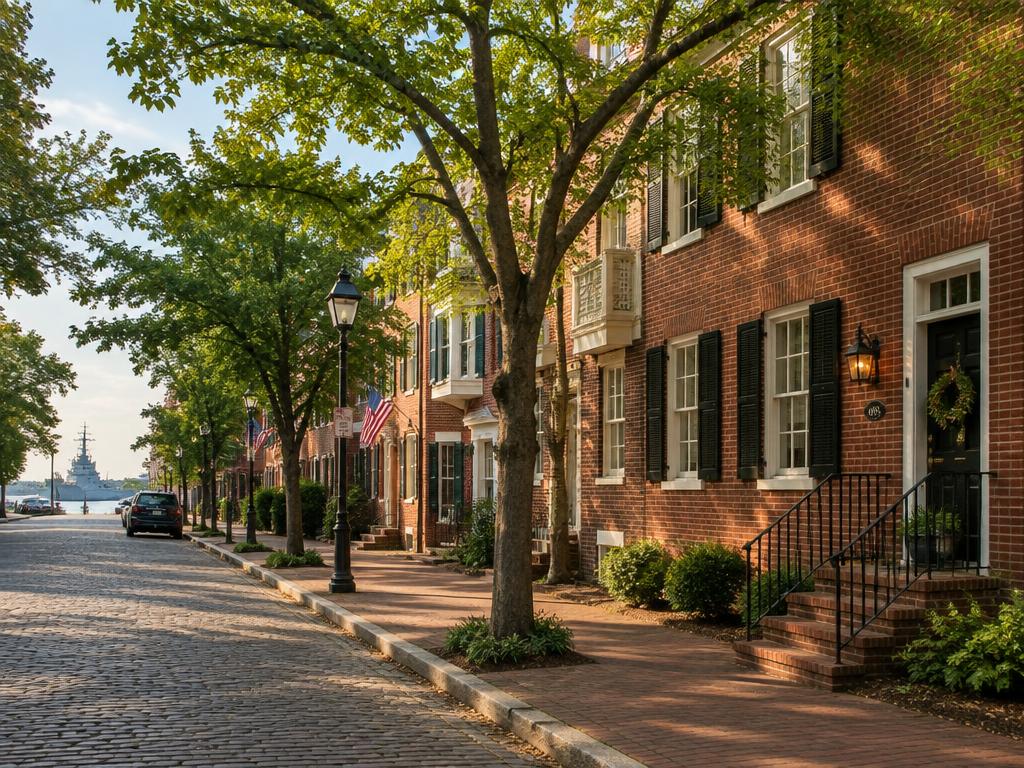
Park View's housing stock is dominated by wood-frame homes with generous front porches, which served as genuine social gathering spaces when the neighborhood was built. You'll see architecturally lively Queen Anne homes with towers, gables and varied surface materials, along with Colonial Revival houses, American Foursquares and Craftsman bungalows.
Because these homes were built primarily between the mid-1890s and early 1900s, most share a similar age and construction era, which makes for a more visually cohesive block than you'll find in a neighborhood built up over many decades. That said, condition and level of updating still vary from house to house, so a careful inspection matters regardless of how charming the exterior looks.
If you want to compare styles and price points nearby, my guides to Olde Towne and Mount Hermon cover two very different, nearby options in the city.
Room counts and floor plans vary quite a bit too. Some of the larger avenues have two-and-a-half-story homes with four or five bedrooms built for prosperous early residents, while side streets carry smaller, more modest houses built for tradesmen and clerks. Touring a range of these is the best way to figure out which scale of historic home actually suits how you live.
The Trolley-Era Grid: Parkview, Elm, Webster and Crawford Parkway
Park View's streets follow the original gridiron plan from its 1890s development, with north-south avenues including Parkview, Hatton, Riverview, Linden, Webster and Elm, crossed by shorter east-west streets like Bay Street, Spratley Street, Naval Avenue, Leckie Street, Crawford Parkway and Ann Street.
Crawford Parkway runs along the Elizabeth River on the neighborhood's edge, offering some water-adjacent living without the same direct riverfront exposure you'd get in Olde Towne. Walking the different avenues is worth your time, since some blocks lean toward larger, high-style homes while others feature more modest vernacular houses, all part of the neighborhood's deliberately varied original design.
Everyday Life: Churches, Corner Grocers and Walkability
Park View grew up as a genuinely self-contained streetcar suburb, and you can still feel that in how walkable it is. Trinity, the neighborhood's early Methodist and Baptist congregations, and several small grocers were serving residents within a decade of the first lots being sold, and that same walkable, front-porch pattern still defines the neighborhood today.
Sidewalks connect nearly every block, and the tree canopy along avenues like Elm and Webster makes for a genuinely pleasant walk to the Naval Medical Center, to downtown Portsmouth, or just around the block in the evening. That kind of everyday walkability is one of the quieter reasons buyers who tour Park View in person tend to fall for it faster than buyers relying on photos alone.
Commutes: Downtown Portsmouth, the Tunnel and the Naval Hospital
Park View sits just north of downtown Portsmouth, close to the Downtown Tunnel connecting to Norfolk and within easy reach of Naval Medical Center Portsmouth, the same hospital the neighborhood was originally built around. That makes it a genuinely convenient location for medical center employees, downtown Portsmouth workers and Norfolk commuters alike.
As with any Hampton Roads commute involving a tunnel, drive it yourself at your actual commute time before deciding, since backups can add meaningful time during peak hours. My relocating page and PCS/military page cover more on how I help buyers moving here for work or military orders.
Beyond the medical center itself, Park View's location also puts you within a few minutes of downtown Portsmouth's restaurants and the waterfront, and a short drive or bike ride from Olde Towne. For buyers weighing walkable, historic options against newer construction, I always encourage a side-by-side tour so you can feel the difference in person.
Who Buys in Park View
I see a genuine mix of buyers here: young professionals and medical center employees drawn to the short commute and the character, longtime Portsmouth natives who grew up admiring these homes, and renovators looking for a project with real architectural bones. It's also popular with buyers who've been priced out of comparable historic districts in Norfolk and want more house for their budget.
Because the historic district protects the streetscape, buyers here tend to care about preservation as much as price, and that shared mindset is part of what keeps the neighborhood cohesive block to block.
Flood Considerations Near the Riverfront
Because Park View's eastern edge runs along Crawford Parkway and the Elizabeth River, and the neighborhood sits within a city that has documented flooding tied to major coastal storms historically, flood zone status is worth checking on any specific property before you get attached to it. Some individual lots have had flood zone determinations amended after review, which shows how much this can vary property to property even within the same block.
I pull the current FEMA flood map for the exact address every time, rather than assuming based on the neighborhood as a whole, and I ask sellers directly about any past water issues or insurance claims. If a home requires flood insurance, run that added cost through my mortgage calculator so your real monthly payment is clear before you write an offer.
It's also worth noting that Park View was originally marketed partly on its higher, better-drained ground compared to some other close-in Portsmouth neighborhoods, which can be a genuine advantage. That said, elevation varies block by block even within Park View, so I never treat a general reputation as a substitute for checking the specific lot.
Historic District Rules and HOA Basics
Park View is protected by local historic district zoning, which means exterior changes, additions and some repairs may require design review through the city's Historic Preservation Commission. The city publishes design guidelines specific to Park View covering everything from walkways to appropriate materials, and I recommend reviewing them before planning any exterior project.
Most homes here are individually owned without a mandatory homeowners association, so your ongoing costs are more about historic-district compliance and typical maintenance than HOA dues. Always confirm the specific requirements and any exemptions for the property you're considering.
Because the design guidelines are specific to Park View's architecture, I encourage buyers who plan to add a garage, replace windows or build a deck to review them, and budget time for the design review process, before falling in love with a renovation plan that may need adjusting to meet historic-district standards.
Schools Serving Park View
Park View Elementary School, located right in the neighborhood at 260 Elm Avenue, serves many Park View addresses, though exact zoning should always be confirmed for your specific property. I cover ratings, grade spans and the broader school picture in my Park View schools guide.
Because school assignment can affect resale value and your day-to-day routine, I recommend reviewing that guide and confirming zoning with Portsmouth Public Schools before finalizing your decision on a specific home.
Beyond Park View Elementary, students typically continue on to Portsmouth's middle and high schools serving this part of the city, and I always pull current zoning for the specific address rather than relying on the neighborhood's general reputation, since attendance boundaries can shift.
Touring the Neighborhood: What to Look For
When I walk a Park View listing with a buyer, I look past the porch and trim work first, since that's what photos already sell well, and focus instead on the roof, the foundation, and whether wiring and plumbing have been updated. A home with an intact original facade can still have a brand-new electrical panel and HVAC system behind it, and that combination is usually the sweet spot buyers are hoping to find here.
I also recommend walking the full block, not just standing in front of the listing, since Park View's mix of high-style and more modest homes means the house two doors down can look quite different in scale and condition. A quick loop around Elm, Webster or Parkview avenues at a normal pace will tell you more about a block's character than any listing description.
Financing a Historic Park View Home
Financing here works like any conventional, FHA or VA purchase, but appraisers may take a bit more care valuing a historic property given the architectural variation from house to house. My VA loan guide and conventional loans guide cover the basics for the loan types I see most often in this neighborhood.
If a home needs updating behind its period exterior, ask your lender early about renovation financing options, and run the numbers through my mortgage calculator so you understand your full monthly payment, including any flood insurance, before you commit.
VA and FHA buyers should know that appraisers on government-backed loans will look closely at deferred maintenance, flaking paint (a lead-paint concern in homes built before 1978) and any obviously deferred roof or foundation work, since these loan types have minimum property condition standards. None of that should discourage you from using VA or FHA financing here, it's common, but it does mean lining up a qualified inspector who understands older homes.
Writing a Strong Offer in Park View
Because Park View's homes share a similar era but vary in condition and level of updating, I price and structure offers around truly comparable recent sales within the historic district rather than citywide averages. Homes with recently updated systems behind original architectural detail tend to draw the most competition.
I also make sure any offer accounts for realistic inspection findings given the age of these homes and includes appropriate contingencies for historic-district considerations if you're planning any exterior work. If you're a first-time buyer, my home buyer checklist and first-time buyers page are a good place to start before we tour.
If you're comparing Park View against other close-in Portsmouth neighborhoods, my guides to Cradock and Truxtun cover two more historic options with a somewhat different feel and price range worth touring before you decide.