Who Buys in Park View
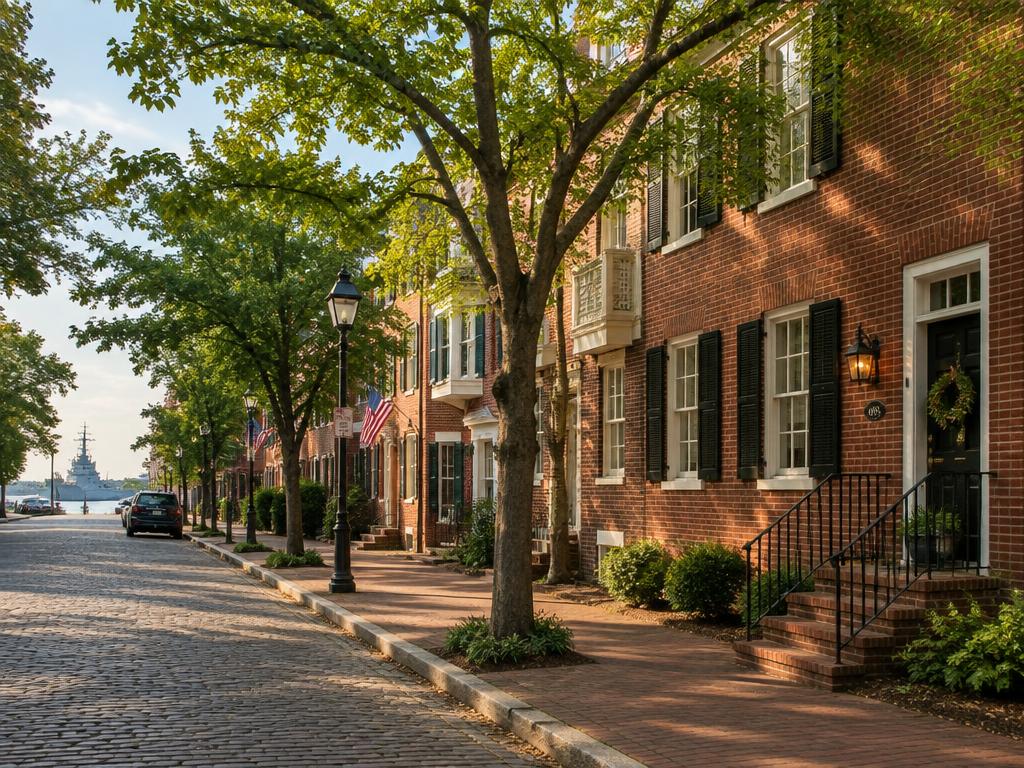
Park View draws buyers specifically looking for historic character: Queen Anne and Foursquare architecture, deep front porches and a walkable, tree-lined grid close to downtown Portsmouth. Naval Medical Center Portsmouth employees, history-minded buyers and downtown Norfolk commuters using the tunnel all show up regularly here. I also work with buyers relocating specifically for Naval Medical Center Portsmouth assignments, and downtown Norfolk professionals who value the short tunnel commute over a larger, newer home elsewhere in the region.
Because the neighborhood is a locally protected historic district, buyers touring here already understand they're buying into a level of architectural preservation and, in some cases, design review requirements that don't apply in a typical subdivision. I make sure your marketing speaks directly to that buyer rather than a generic move-up family.
A lot of my Park View sellers have owned their home for decades and are moving for retirement, downsizing, or relocating out of the area, while others are investors who've completed a careful renovation and are ready to pass the home to its next owner. Either way, the buyer pool here is smaller and more specific than in a typical Portsmouth subdivision, and getting your marketing in front of that buyer, rather than everyone shopping the whole city, is most of the work.
Pricing by Avenue and Condition
Because most Park View homes date to a fairly narrow window in the 1890s and early 1900s, pricing here is driven mostly by architectural style, condition, level of updating and location relative to Crawford Parkway, downtown and Elm Avenue's schools and civic buildings, rather than by dramatic differences in home age from block to block.
I build your pricing from genuinely comparable recent sales within the historic district, adjusted for square footage, updates and any water proximity along the eastern edge of the neighborhood. Citywide Portsmouth comps don't capture what makes a Park View home valuable to the buyers actually searching for one.
Homes closer to Crawford Parkway and the river edge, or on the wider, more architecturally showy avenues like Elm and Webster, can carry a premium over similar-sized homes on shorter side streets, but condition still tends to matter more than location within this small district. A home with a recently replaced roof, updated electrical panel and refinished floors will usually outperform a larger but neglected house nearby, regardless of which avenue it sits on.
I also track how nearby comparable historic districts in Portsmouth and Norfolk are performing, since buyers shopping period architecture often cross-shop across city lines, and that context helps me set a price that reflects real competition rather than Park View in isolation.
Preparing a Victorian or Foursquare for Sale
Preparation here should highlight original character rather than erase it. Refinished original floors, a freshly painted porch, well-maintained trim and tidy landscaping along the front walk all matter to buyers who came looking specifically for this architectural style.
Address any obviously aging major systems, roof, electrical panel, plumbing, before listing if you can, since financed buyers will need the home to pass appraisal and inspection standards. I'll walk your home with you and tell you honestly which updates are worth doing before we list versus which ones we should simply disclose and price around.
If you've completed exterior work through the city's historic district review process, keep that documentation handy, since buyers and their agents often ask about it.
Curb appeal carries extra weight here since so much of a Park View home's value is tied to the front porch and streetscape. A repainted porch ceiling, restored or repaired original railings, and simple seasonal plantings along the walk make a strong first impression on buyers who came specifically for this look. Skip anything that would strip out original character, replacing wood windows with vinyl, covering original siding, in favor of repairs that preserve what drew the buyer here in the first place.
What Financed Buyers and Appraisers Look For
Many Park View buyers use FHA or VA financing, and both loan types require the home to meet minimum property standards in addition to passing appraisal. Peeling exterior paint, an aging roof, or obvious safety issues around porches and steps can hold up closing on a government-backed loan, so it's worth addressing the most visible items before you list rather than after you're under contract.
Appraisers working in a historic district like Park View also have to search harder for truly comparable sales, since no two homes here look exactly alike. I make sure your appraisal packet includes a clear list of updates and recent comparable closings within the district, so the appraiser isn't left guessing at value based on citywide Portsmouth data that doesn't reflect what makes your home distinct.
Sellers sometimes assume a lower list price will offset condition issues an appraiser might flag, but a home that fails to appraise can cost far more time than pricing it accurately and addressing the biggest red flags up front.
Marketing the Architecture and the Setting
Your listing should lean into the neighborhood's specific architectural style, whether that's Queen Anne detail, a classic Foursquare layout, or Colonial Revival symmetry, along with the walkable, tree-lined streets and proximity to downtown Portsmouth and the Naval Medical Center. Buyers here respond to story and character as much as square footage.
Photography that captures both interior period detail and the home's place on its avenue, porches, trim work, mature trees, matters more here than in a typical suburban listing, and I make sure your home reaches buyers actively searching Portsmouth's historic districts specifically.
It's also worth reviewing your homeowner's insurance situation before listing, since some carriers price older homes with knob-and-tube wiring history or older roofs differently, and buyers will ask what your current premium and coverage look like as part of their own due diligence.
Required Disclosures in Virginia
Virginia sellers complete the Virginia Residential Property Disclosure Act statement, which generally puts the responsibility on buyers to investigate the property, though I recommend disclosing known material issues in writing regardless, since it protects you and builds buyer confidence. For homes in the historic district, I also make sure buyers understand any known limitations tied to exterior changes or required approvals.
If any part of your property has flood zone exposure given proximity to Crawford Parkway and the river, or if you've experienced water intrusion or filed insurance claims, that should be part of your disclosure discussion. I'll help you sort what's legally required from what's simply smart practice.
If your homeowner's insurance policy has ever included a flood endorsement, keep that documentation on hand, since it can help reassure a cautious buyer even on a home outside the mapped flood zone.
Negotiating Repairs and Terms
Given the age of Park View's housing stock, expect inspections to surface age-related items: electrical, plumbing, roofing and foundation concerns most often. I negotiate these on a case-by-case basis rather than agreeing to broad repair lists, and I'll help you weigh a closing cost credit against completing work yourself.
For any exterior repair tied to historic district guidelines, factor in the time a design review might take, since that can affect your closing timeline if it comes up during negotiations.
I also see buyers ask directly whether recent exterior work, a new roof, replacement windows, porch repairs, went through the required historic district review. Having that paperwork organized ahead of time, even informally, tends to speed up negotiations rather than raise new questions once you're already under contract.
Timing Your Sale
Like most of Hampton Roads, Park View tends to see stronger buyer traffic in spring and early summer, when families are working toward a move before the school year and the neighborhood's porches and mature trees show especially well. That said, well-priced historic homes here can attract serious buyers throughout the year, since demand for this specific architectural style isn't purely seasonal.
I'll walk you through current conditions specifically for this small, distinct historic district rather than generic regional advice.
Early fall can also be a strong window in Park View specifically, since the neighborhood's mature trees and cooler weather show the architecture at its best, and serious buyers who missed out during the busier spring market are often still actively looking.
Understanding Your Net Proceeds
Before listing, I'll prepare a full net proceeds estimate covering your payoff, commissions, typical Virginia closing costs and any anticipated repair credits. Try my seller net proceeds tool for a starting estimate, and see my closing costs guide for a full breakdown of what Virginia sellers typically pay at settlement.
Buyers of historic homes also tend to negotiate personal property, window treatments, light fixtures, garden features, more than buyers of newer construction, so it's worth deciding ahead of time what stays with the house.
How Park View Compares to Nearby Neighborhoods
If you're deciding whether to sell now or how your home compares to other Portsmouth inventory, my guides to selling in Olde Towne and selling in Mount Hermon cover two other distinct, nearby Portsmouth markets worth comparing against. I also factor in a reasonable allowance for the age-related repairs inspections commonly turn up in a neighborhood this old, so the number you see going into negotiations is realistic rather than optimistic.
Whatever brings you to a sale, downsizing, relocating, or simply moving on, my home seller checklist is a solid starting point, and I'm happy to walk your specific home with you before we talk numbers.
Working With Buyers' Agents and Historic District Questions
Buyers touring Park View, and their agents, often have specific questions about the historic district: what exterior changes require design review, whether a past owner's addition or window replacement was approved, and how that history might affect their own plans down the road. I keep documentation of any permitted exterior work handy and I'm upfront about what I do and don't know, since vague answers tend to make buyers more nervous, not less.
If you've never gone through the city's Historic Preservation Commission process yourself, it's still worth understanding the basics before you list, since a well-informed conversation about it can be a selling point rather than a source of buyer hesitation.