Why Buyers Fall for Port Norfolk
Port Norfolk is one of the most distinct pockets of Portsmouth, and once buyers walk it, they usually understand why I send them here first when they tell me they want charm and water views without a Norfolk or Ghent price tag. It's a peninsula neighborhood wrapped by the Elizabeth River and Hull Creek, with sidewalks, mature trees and more than 600 homes, most built between 1890 and 1910 as a streetcar suburb of downtown Portsmouth.
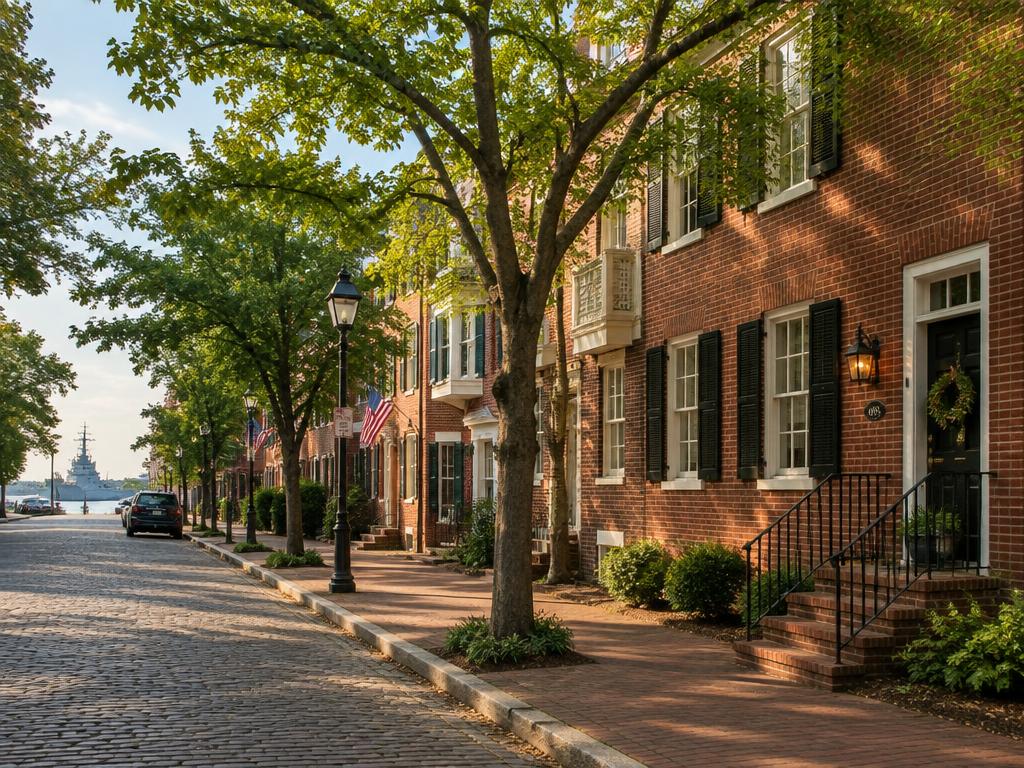
The whole neighborhood is a listed historic district, so you're not buying one pretty house on a random block, you're buying into a cohesive streetscape of Queen Annes, American Foursquares and Craftsman bungalows. That consistency is rare in Hampton Roads and it's a big part of why values here have held up.
This guide covers the history, the housing stock, commutes, flood exposure, the historic district rules, schools and financing, plus how to write a competitive offer. For the wider market, see my Portsmouth overview.
It's a small neighborhood, roughly bounded by Bayview Boulevard, Chatauqua Avenue, Hartford Street and Hull Creek, which means you get a tight-knit community feel with genuinely limited inventory. That scarcity is part of why I encourage serious buyers to move quickly once the right house comes up, and why I make sure you're pre-approved and ready to write before we start touring in person.
A Streetcar Suburb With Real History
Port Norfolk began forming in 1890 when the Port Norfolk Land Company platted the peninsula for workers at the nearby railroad and shipping facilities, and the neighborhood filled in over the next three decades. It was designated a National Register historic district in 1983, and the recognition still shapes how the neighborhood looks and feels today: consistent setbacks, front porches, picket fences and a genuine sense of place you don't get in newer subdivisions.
Because it grew up as a self-contained suburb rather than a modern development, streets are narrow and gridded, sidewalks are everywhere, and the pace on foot is part of the appeal. Buyers who love old-house character consistently tell me this is one of their favorite places to tour in the whole city.
The neighborhood's original streetcar line is long gone, but the compact, walkable layout it left behind is still the defining feature. You can walk from most homes to the river path in a few minutes, and the short blocks make it an easy neighborhood to explore on foot before you ever step inside a house.
Housing Stock: Bungalows, Foursquares and Queen Annes
Expect real age and real character here. Most homes were built between 1890 and 1920, and you'll see Craftsman bungalows with deep front porches, American Foursquares with symmetrical facades, and a handful of ornate Queen Annes with turrets and detailed trim. Because the neighborhood is a historic district, exterior changes, additions and some repairs may need to go through the city's design guidelines, so ask me early if a property has already had work done and whether it was permitted.
Lot sizes and layouts vary block to block. Some streets have larger homes on deeper lots near Bayview Boulevard, while others are tighter, closer-set cottages nearer the working waterfront. Interiors often mix original hardwood floors and trim with updated kitchens and baths, so condition swings a lot house to house even on the same block, which is exactly why I want you touring in person rather than judging from photos alone.
Roof age, updated wiring and plumbing, and any foundation work are the details I want documented on any home you're seriously considering, since they vary so widely here even within the same decade of construction. A home that looks similar to its neighbor from the street can have a completely different maintenance history behind the walls.
Bayview Boulevard, Hull Creek and Life on the Water
Port Norfolk's identity is tied to the water. Bayview Boulevard traces the Elizabeth River shoreline, and Hull Creek wraps the eastern edge of the neighborhood, so a meaningful number of homes here have water views or short walks to the shoreline. There's also a paved path along the river for an easier, flatter walk than the older sidewalks, whose tree roots have buckled some of the brick and concrete over the decades.
If waterfront or water-view access matters to you, tell me up front. Those homes don't come up often and tend to move quickly once they do.
Beyond the water itself, the neighborhood has a genuine small-town feel, with neighbors who know each other and long-time residents who can tell you the history of individual houses. That kind of continuity is unusual this close to downtown Portsmouth and Norfolk, and it's a big part of what keeps people here for decades once they move in.
Commutes: the Midtown Tunnel, West Norfolk Bridge and the Shipyard
Location is one of Port Norfolk's biggest selling points for commuters. You're minutes from the Midtown Tunnel into downtown Norfolk, and many residents cross the West Norfolk Bridge over the Western Branch of the Elizabeth River to reach western Portsmouth without touching I-264 traffic. Norfolk Naval Shipyard and downtown Portsmouth are both a short drive away, and Naval Station Norfolk and downtown Norfolk are a quick tunnel ride from here.
If you're relocating for work or orders, I'd still encourage you to drive the actual commute at the time you'd make it, since tunnel backups can vary a lot by hour. My relocating guide and PCS/military guide cover how I support buyers moving in from out of town or off orders.
Downtown Portsmouth, with its restaurants, waterfront park and courthouse district, is also just minutes away, which makes Port Norfolk a genuinely convenient home base whether your daily commute runs toward Norfolk, Chesapeake or Portsmouth's own employers, including the shipyard and Naval Medical Center.
Flood Zones and Insurance
Because Port Norfolk sits on a peninsula bordered by the Elizabeth River and Hull Creek, flood risk is something to check for every specific address, not assume from the neighborhood's reputation. Some low-lying blocks and homes closer to the shoreline fall within FEMA flood zones, while streets set back or on slightly higher ground may not.
I pull the FEMA flood map for any home you're serious about before we write an offer, and I ask sellers directly about prior water intrusion, drainage problems and flood insurance claims. If a lender requires flood insurance on your target home, that changes your real monthly payment, so run the numbers in my mortgage calculator early rather than after you're under contract.
Ask your agent and the seller about flood insurance costs on any specific home before you fall in love with it, since that premium can meaningfully change your monthly payment on top of principal, interest, taxes and homeowners insurance. It's a conversation worth having early rather than at the closing table.
Historic District Rules and Older-Home Inspections
Because Port Norfolk is a design-reviewed historic district, exterior renovations, additions and some repairs may require approval through the city's design guidelines, which is worth understanding before you buy if you're planning changes. It doesn't typically affect routine maintenance, but it's a conversation I have with every buyer here.
On the inspection side, treat this like any home built more than a century ago: budget for evaluating the foundation, plumbing, wiring and roof condition, and expect your inspector to flag lead-based paint disclosure requirements for anything built before 1978. Buyers here tend to be comfortable with some renovation, but I want you going in with real numbers, not surprises.
A pre-listing or pre-offer specialist inspection for the foundation or crawl space is worth the cost on a home this age, especially anything near Hull Creek or the river where ground moisture is more of a factor. It's a small upfront expense that can save you from a much bigger surprise after closing.
Everyday Life and Getting Around
Port Norfolk doesn't have big-box retail or major shopping inside the neighborhood itself, and most residents treat that as a feature rather than a drawback. It's a quiet, residential place built for walking and porch-sitting, with quick access to downtown Portsmouth's restaurants and shops and to Norfolk across the tunnel for anything bigger.
There's no formal homeowners association governing most of the neighborhood, since it predates the era of planned-community HOAs, but the historic district design guidelines function as a similar layer of oversight for exterior changes. I walk every buyer through what that does and doesn't cover before we write an offer, so there are no surprises after closing.
Schools in Port Norfolk
Portsmouth Public Schools assigns Port Norfolk students by address, and zoning can shift, so I always confirm the specific school lineup for a property before we write an offer. I've put the details on which schools currently serve this pocket of the city, along with how to double-check zoning yourself, in my Port Norfolk schools guide.
Down payment assistance and closing cost credits are also worth discussing with your lender given Port Norfolk's price points relative to Norfolk's comparable historic neighborhoods, since first-time buyers here often qualify for programs they didn't realize applied to them.
Financing an Older Home Here
Port Norfolk's older housing stock works with most loan types, but lenders and appraisers pay close attention to condition, especially roofs, systems and any deferred maintenance on a century-old house. If you're using a VA loan, my VA loans guide covers how appraisals and minimum property requirements work on older homes. First-time buyers should also look at my FHA loans guide, and everyone else can compare options in my conventional loans guide. My home buyer checklist is a good next step once you're ready to start touring.
I also encourage buyers to have a contractor walk through with them before finalizing an offer if they're planning renovations, since historic district guidelines can affect the scope, cost and timeline of exterior work in ways that are easy to underestimate.
Sellers here respond well to buyers who've clearly done their homework on the historic district and the neighborhood's flood considerations, since it signals you're serious and unlikely to walk away over routine old-home findings.
Writing a Competitive Offer
Because the historic district has a limited number of homes and inventory is often tight, well-priced, well-maintained homes here can draw multiple offers, especially anything with water views or a fully updated interior. I look at recent comparable sales on the same block or an adjacent one, since condition and lot depth vary so much from house to house, and I build in inspection contingencies that make sense for a home of this age rather than a boilerplate template.
If you're comparing this neighborhood to nearby options, I also cover Prentis Park, Shea Terrace and Sterling Point in separate guides, since each has a different mix of era, price point and water access. Whatever you decide, my first-time buyer guide is a good starting point if this is your first purchase.