Who Buys in Port Norfolk
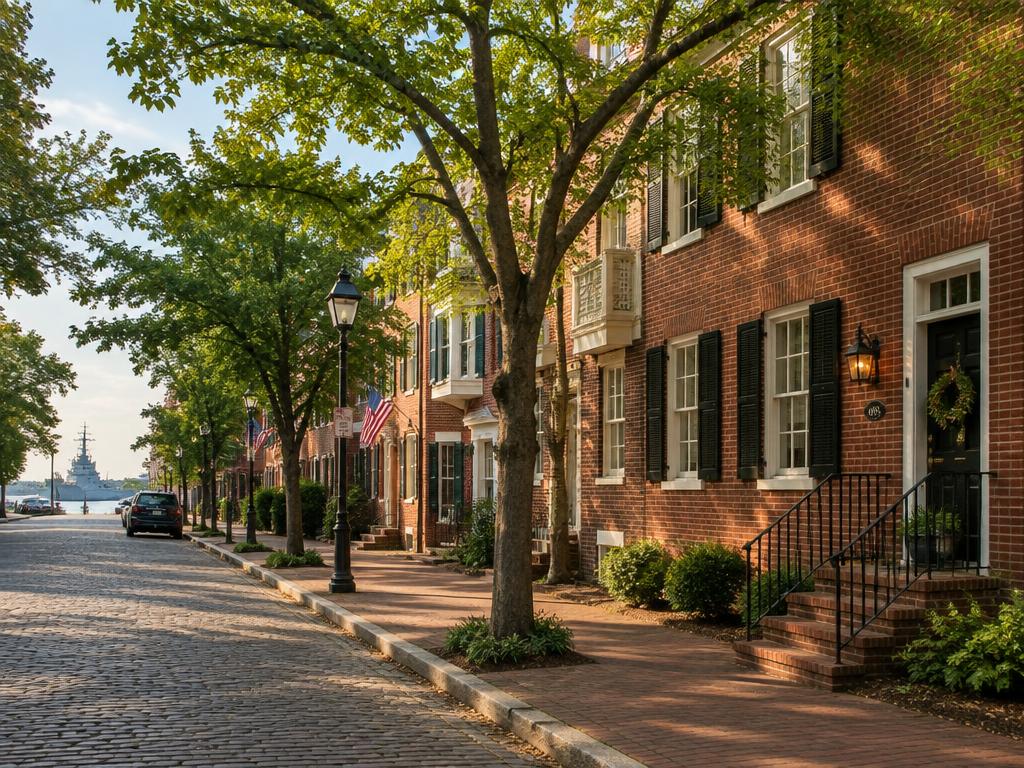
Port Norfolk draws a specific kind of buyer, and knowing who's shopping helps us position your home correctly. Preservation-minded buyers come for the historic district's Queen Annes, Foursquares and Craftsman bungalows and want original character intact. Renovators and investors look for homes with good bones and outdated systems they can update. And a growing number of remote workers and commuters want the walkable, sidewalk-lined streets and quick access to the Midtown Tunnel and downtown Norfolk.
Water-view and waterfront listings near Bayview Boulevard or Hull Creek pull in a different pool entirely, often buyers who've been watching the neighborhood for a while and move fast when something comes up. Telling me upfront what makes your home special helps me market to the right audience instead of a generic buyer pool. For the broader Portsmouth market, see my city overview.
I also see buyers relocating from Norfolk's Ghent or Larchmont neighborhoods who want similar historic character at a lower price point, and out-of-state buyers who found Port Norfolk through online research long before they ever set foot in Portsmouth. Understanding which of these buyers is most likely for your specific home shapes how I price it and where I advertise it.
Pricing by Street, Section and Condition
Because Port Norfolk was built out over roughly thirty years with a real range of home styles, pricing swings more by block and by condition here than in a typical postwar subdivision. Homes closer to the water or along Bayview Boulevard often carry a premium, while interior streets away from the shoreline price differently even when the home itself is just as well maintained.
Condition matters enormously too. A fully updated Foursquare with a new roof, updated electrical and refinished floors will price very differently from a similar home that still has original systems, even on the same street. I pull recent comparable sales from the closest blocks I can find, not just a citywide average, and I walk you through how updates you've made, or haven't made, are likely to show up in buyer offers.
I also factor in lot size and any outbuildings, since some Port Norfolk lots include detached garages or workshops that add real value for buyers planning to renovate or simply wanting extra storage. Two homes of similar square footage can command different prices once you account for lot depth, parking and outdoor space.
Preparing an Older Home to Sell
Buyers touring Port Norfolk expect character, but they still want to see a home that's been cared for. Fresh paint, especially on trim and porches, makes an outsized difference here because it's often the first thing buyers notice walking up. Address any obvious deferred maintenance, peeling paint, loose gutters, soft porch boards, before listing, since these read as bigger red flags on a century-old home than they would on newer construction.
If your systems, roof, HVAC, plumbing, electrical, are original or aging, get ahead of the conversation with recent service records or a pre-listing inspection. It won't stop every buyer from negotiating, but it keeps surprises from derailing your contract midstream. I can also advise on which updates are worth making before you list versus which ones buyers will happily take on themselves in exchange for a lower price.
Curb appeal carries extra weight in a historic district where buyers are touring specifically for architectural character. A well-maintained front porch, clean gutters and healthy landscaping do more for a Port Norfolk listing's first impression than they would in a newer subdivision, simply because buyers here are looking that closely at exterior details.
Marketing What's Special
Port Norfolk sells on story as much as square footage. Photography and listing copy that highlight original trim, front porches, water proximity and the historic district itself do real work here, because buyers touring this neighborhood are specifically looking for what newer Portsmouth subdivisions can't offer. I make sure to capture the walk to the river path, the tree canopy and the block's overall character, not just interior shots.
If your home has documented history, an architectural style, a notable prior owner, original features, I include that in the listing narrative. Buyers here respond to it.
I also recommend highlighting proximity to downtown Portsmouth and the quick tunnel commute to Norfolk in the listing description, since many buyers touring this neighborhood are weighing it directly against pricier historic pockets of Norfolk itself.
Disclosures: Flood, Age and Condition
Virginia sellers complete the residential property disclosure statement, which is a fairly limited disclosure compared to some other states, but you still need to answer it honestly and completely. Because Port Norfolk sits on a peninsula along the Elizabeth River and Hull Creek, flood-related disclosures deserve extra attention. If your home is in a mapped flood zone, has flood insurance, or has had past water intrusion or claims, that needs to be disclosed and it will come up during due diligence regardless.
Buyers of century-old homes also tend to ask pointed questions about lead-based paint, given the federal disclosure requirement for homes built before 1978, and about the age of major systems. Being upfront about all of this builds trust and tends to reduce renegotiation after inspection rather than inviting it.
If you've made updates, keep permits and receipts organized so we can present them to buyers during due diligence. Documented, permitted work reassures buyers far more than a verbal assurance that everything was done correctly.
Negotiating Around an Older-Home Inspection
Expect inspection reports on a home like this to surface findings, that's normal for a house built well over a century ago, and buyers touring Port Norfolk generally expect it too. The negotiation usually centers on a handful of real issues rather than a long list of nitpicks: foundation or moisture concerns, roof age, and electrical or plumbing systems that haven't been updated.
I help you decide where to offer a credit, where to make a repair, and where to hold firm, based on what similar Port Norfolk homes have actually sold for in comparable condition, not a generic rule of thumb.
I've found that sellers who get ahead of likely inspection issues, by fixing small items and being transparent about bigger ones, tend to close with fewer surprises and less back-and-forth than sellers who wait to see what the report says.
Working With Nearby Historic District Buyers
Because Port Norfolk is a small, well-known historic district, a lot of buyer interest comes from people who've specifically searched for historic Portsmouth homes rather than browsing broadly. That means targeted marketing, historic preservation groups, architecture-focused listing platforms and word of mouth in the preservation community, can be just as valuable as standard MLS exposure.
I also make sure your listing reaches agents working with military and shipyard relocation clients, since Port Norfolk's commute advantages are a real draw for that buyer pool even if they didn't start their search looking for a historic home.
The right agent relationships matter more here than in a high-volume subdivision, since the buyer pool is smaller and more specific. I make sure your listing gets in front of the people actually searching for what makes Port Norfolk different.
Timing Your Sale
Spring and early summer tend to bring out the most buyers touring in person here, since the neighborhood's front porches, mature trees and river path show best in good weather. That said, well-priced, well-presented homes in Port Norfolk can sell in any season, especially anything with water views, given how limited that inventory is.
If you're weighing timing against a move for work, downsizing, or a life change, my relocating guide and downsizing guide walk through how to sequence a sale with your next step.
If your sale is prompted by a job change, inheritance, or a life transition rather than a straightforward move, my inherited property guide and divorce guide walk through how those situations affect timing and disclosures.
Estimating Your Net Proceeds
Before you list, I'll walk you through likely closing costs, from your outstanding mortgage payoff, agent commissions and typical Virginia seller closing costs, so you know roughly what to expect at settlement. My closing costs guide breaks down what Virginia sellers typically pay, and my net proceeds estimator gives you a starting number based on your situation. My home seller checklist is a good next step once you're ready to move forward.
I run these numbers with you before we ever put a sign in the yard, so you're deciding to sell with real numbers in hand rather than a rough guess.
Understanding your net number before listing also helps us set a realistic asking price instead of chasing a number that looks good on paper but doesn't hold up once real costs are factored in.
How Port Norfolk Compares Nearby
If you're deciding whether to sell now or considering how your home compares to other options buyers are weighing, I've written similar guides for Prentis Park, Shea Terrace and Cradock, all a short drive from Port Norfolk with their own distinct buyer pools. For zoning and school questions from prospective buyers, I point them to my Port Norfolk schools guide.