An Honest Answer to a Common Question
Buyers often ask me whether a new home is a good investment. The honest answer is that a new home can build equity over time, but it usually starts with less built-in equity than buyers expect, and how fast it grows depends on factors nobody can promise.
Equity is simply the difference between what your home is worth and what you owe on it. You build it in two ways: by paying down your loan and by your home's value rising. You can also lose it if values fall. This article explains how that plays out with new construction.
If you want the buying process itself, from builder lenders to inspections and HOAs, see Should I Buy New Construction in Hampton Roads?. And for the broader trade-offs, see the pros and cons of new construction.
Why New Construction Often Starts With Little Equity
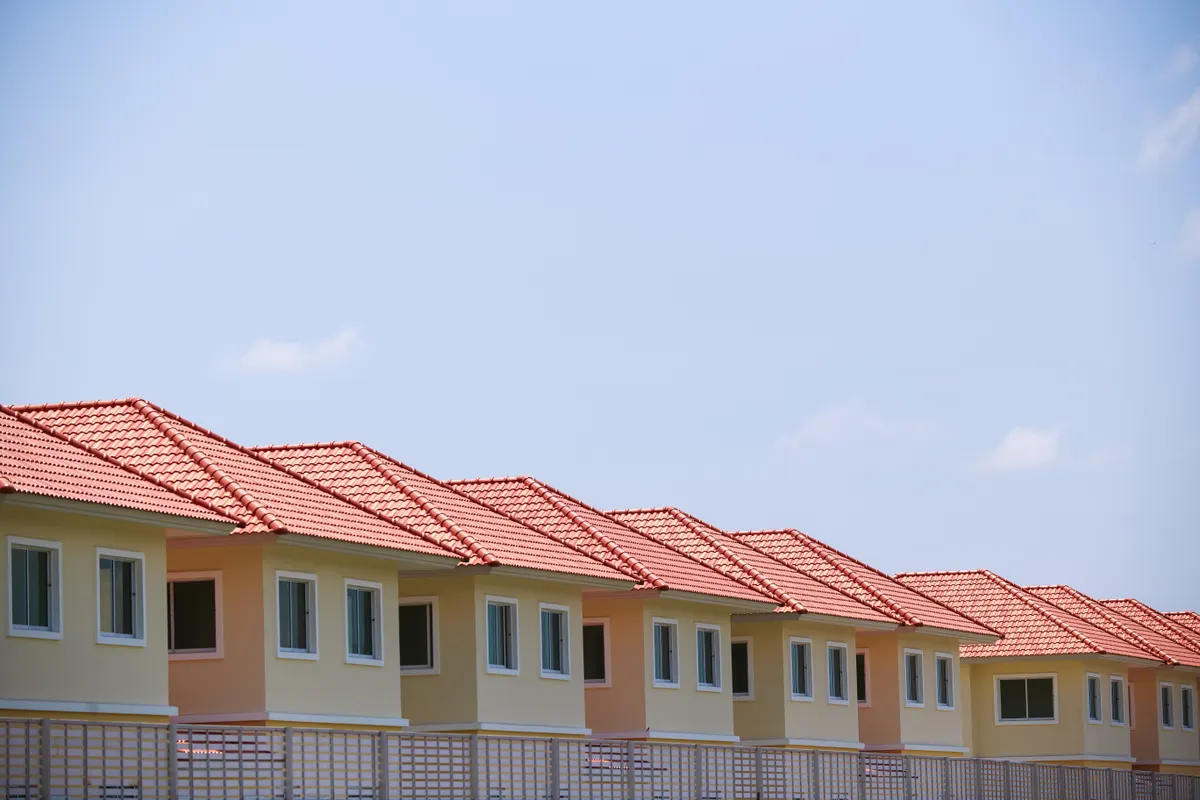
A new home's price includes the cost of land, materials, labor, permits, marketing and the builder's margin. You're paying full price for a finished product, and there's usually less room to negotiate the base price than with a resale home.
Upgrades are a big part of this. Premium cabinets, flooring, lighting and lot premiums can add a lot to the price, but appraisers often don't credit them dollar for dollar. If you spend heavily on upgrades, your home may appraise for less than you paid for everything combined.
Your down payment counts as equity from day one, which is why buyers using low or no down payment loans, like the ones in my VA loans, FHA loans and USDA loans guides, may start with very little.
How Appraisals Work on New Builds
When you finance a home, the lender orders an appraisal to confirm the home is worth at least the loan amount. On a new build, the appraiser looks at comparable sales, which may include other new homes in the community and nearby resale homes.
In a brand-new community with few closed sales, finding good comparisons can be harder. Appraisals can sometimes come in below the contract price. If that happens, you may need to bring more cash, negotiate with the builder, or use whatever options your contract allows. Read the contract's appraisal terms before you sign.
This is one reason I compare a new home's price against nearby resale homes before you commit, so you aren't surprised by the appraisal.
Builder Incentives and the Real Price
Builders often offer incentives like closing cost help, rate buydowns or free upgrades, usually when you use their preferred lender. These can be valuable, but they don't always change the home's value. A buydown lowers your payment, not the price, and a free upgrade still has to be supported by the appraisal.
When comparing a new build to a resale home, look at the total picture: price, upgrades, incentives, loan costs, monthly payment and expected maintenance. My guide on buying when interest rates are uncertain explains how buydowns work, and the mortgage calculator helps you compare payments.
Sometimes a builder will lower the price instead of offering an incentive. It's worth asking which option the builder offers and how each affects your loan.
What Affects How Fast Equity Builds
Paying down your loan builds equity steadily, slowly at first and faster over time. Making extra principal payments speeds it up.
Market appreciation is the bigger and less predictable factor. Values depend on the broader economy, interest rates, local demand and supply, and I won't predict them. Location matters too: commute, schools, flood risk and nearby amenities all influence demand over the long run.
In new communities, how the neighborhood fills in matters. While a builder is still selling new homes nearby, it can be harder for a resale home in the same community to stand out, since buyers can choose a brand-new home with incentives instead. Once the community is complete and landscaping matures, that competition usually eases.
New vs. Resale When It's Time to Sell
If you might sell in a few years, compare that timeline carefully. Selling costs, a slow start on equity and competition from the builder can make an early sale tight. If you're likely to move on military orders, read my renting vs. buying guide and think about whether you'd rent the home out instead.
Over a longer stay, a well-built new home in a desirable area can hold up well. It also tends to need fewer major repairs before you sell, which can help with buyer inspections.
A resale home, especially one with room for improvement, sometimes offers a faster path to equity for buyers willing to take on work. My fixer-upper guide covers that approach.
Comparing Real Options in Hampton Roads
If you're looking at newer homes, start with areas like Grassfield, Hickory, Edinburgh, Princess Anne, Red Mill Farm, Dam Neck and Fairwood Homes. Then compare them against resale homes in the same price range and commute.
If you're still working out your budget, how much house can I afford and is now a good time to buy are good next steps. First-time buyers may also want my first-time homebuyers page.
There's no single right answer. The goal is to buy a home that fits your life and your budget, with a clear understanding of how equity is likely to build.
Let's Look at the Numbers Together
I'll pull recent sales for new and resale homes in the areas you're considering, help you weigh incentives against price, and talk through how long you're likely to stay. My home buyer checklist keeps the rest of the process on track.
When you're ready to talk it through, reach out to me directly, or read how I work as your Hampton Roads buyer's agent so you know exactly what to expect from the first call through closing day.
This article is general information, not legal or financial advice. Check current rates, programs, warranty terms and loan rules with a licensed lender, attorney or the builder in writing before you make a decision.
Related articles

VA Loans in Hampton Roads: A First-Time Buyer's Guide
Zero down, no PMI and flexible credit — here's how VA loans work for military buyers in Hampton Roads.
Read more →
FHA Loans for First-Time Buyers in Hampton Roads
Lower down payments and flexible credit requirements make FHA loans a popular first-time buyer option.
Read more →
USDA Loans in Hampton Roads: Zero-Down Financing for Rural and Suburban Areas
No down payment, lower mortgage insurance and a property map that matters — here's how USDA loans work in the rural parts of Hampton Roads.
Read more →
Is Now a Good Time to Buy a Home in Hampton Roads?
Instead of trying to time the market, here's how I help buyers decide whether now is the right time for them to buy in Chesapeake, Norfolk, Portsmouth or Virginia Beach.
Read more →
Buying a Home When Interest Rates Are Uncertain: What You Can Control
Rate buydowns, seller concessions, refinancing later and the parts of a home purchase you can actually control when interest rates are hard to predict.
Read more →
Should I Buy New Construction in Hampton Roads? A Buyer's Guide
Builder incentives, preferred lenders, why to bring your own agent to the sales office, independent inspections, HOAs and flood and drainage questions on new builds.
Read more →