Why Buyers Keep Discovering Wards Corner
Wards Corner is one of those Norfolk neighborhoods that people drive past for years before they realize what's actually there. It grew up around a single general store that opened in 1910 at the corner of Granby Street and what's now Little Creek Road, and by the mid-1900s it had become one of the region's first suburban shopping hubs, known locally as the "Times Square of the South." That commercial history still shapes the neighborhood today: a walkable core, a real mix of home styles, and a location that puts you close to almost everything in Norfolk without the price tag of Ghent or Larchmont.
Buyers who end up here are usually looking for value and convenience in roughly equal measure. You're a short drive from Naval Station Norfolk and Naval Amphibious Base Little Creek, an easy hop to downtown, and close to shopping that's being reinvested in right now, including new retail and a Target in the works for the Wards Corner corridor. Compared to newer construction in Ocean View or the larger lots you'll find in Norview, Wards Corner tends to offer smaller, older homes on tighter budgets, which is exactly what draws first-time buyers and investors here.
This guide covers the streets and housing stock, what your commute really looks like, flood and insurance basics, financing, and how to put together a competitive offer. For the bigger picture on the city, see my Norfolk overview.
I'll be straight with you: Wards Corner isn't a single uniform neighborhood so much as a cluster of small residential pockets around a commercial crossroads. That means the right block for you depends a lot on what you want out of daily life, and I like to walk a few different streets with buyers before we settle on a search radius.
One more thing worth knowing up front: because Wards Corner blends commercial and residential uses so closely, the pace of change here is faster than in a lot of long-settled Norfolk neighborhoods. That can be a real advantage for buyers who get in before prices fully catch up to the redevelopment happening around them.
A Crossroads With Real History
The name comes from Alfred C. Ward, a grocer who opened a store here around 1910 on farmland that was then part of Norfolk County. Within a few decades the intersection had grown into a full-blown shopping district with department stores, a five-and-dime, a roller rink and a drugstore that kept the region's first 24-hour pharmacy. Families used to drive in from Virginia Beach and Suffolk just to shop here.
That commercial boom shaped the surrounding residential streets, which filled in steadily from the 1920s through the 1950s to house workers and shoppers who wanted to be close to the action. You can still feel that layered history walking the neighborhood: older bungalows and cottages sit a few blocks from mid-century brick ranches, all within reach of the same central corner.
Today the area is in the middle of a genuine second act, with the city and private developers investing in redevelopment around the old shopping center site. Buyers who like being in a neighborhood on the way up, rather than one that's already peaked in price, tend to pay close attention to what's happening here.
Longtime Norfolk residents still talk about shopping at Wards Corner the way people talk about a beloved old downtown. That nostalgia carries real value for today's buyers, since it means the neighborhood has a built-in identity and a loyal base of interest that a brand-new subdivision simply can't replicate.
Housing Stock: Bungalows, Cottages and Brick Ranches
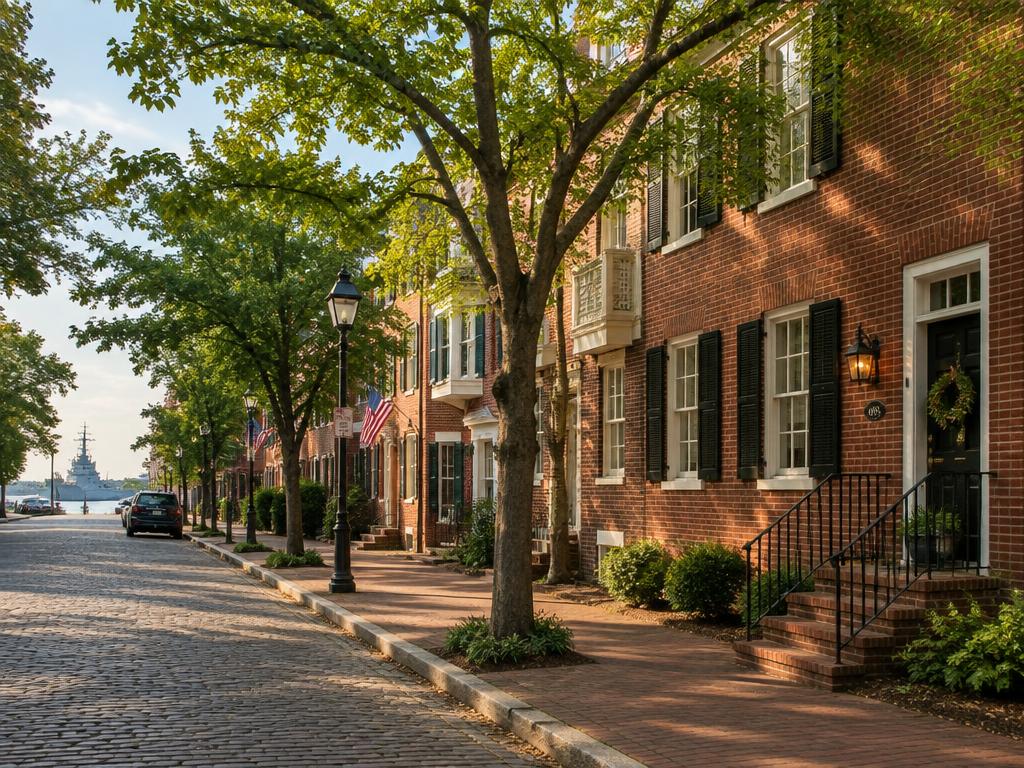
Wards Corner's housing stock spans a wide range of early-to-mid-20th-century styles. Closer to Granby Street and the older residential pockets, you'll find modest bungalows and cottages built in the 1920s and 1930s, often with small covered porches and simple detailing. Farther from the commercial core, especially in the blocks that filled in after World War II, brick ranches and Cape Cods from the 1940s and 1950s are common.
Lot sizes and setbacks vary block to block, and so does the level of updating. Some homes have been fully renovated with modern kitchens and systems, while others still have original layouts and finishes that are ready for a buyer who wants to put in some sweat equity. I encourage buyers to walk more than one block before deciding what era and condition actually suits them, since the differences here are more significant than in newer, single-builder subdivisions.
Because many of these homes are 70 to 100 years old, expect older-home realities: plaster walls, smaller closets, and systems that may have been updated once or twice over the decades rather than never. None of that should scare you off, but it should shape your inspection checklist and your renovation budget.
It's also worth noting how differently these homes have aged depending on maintenance history rather than just era. I've seen 1930s cottages with beautifully preserved original woodwork sell right alongside 1950s ranches that need a full systems update, so don't assume newer automatically means better-maintained here.
Granby Street, Little Creek Road and the Neighborhood Grid
Granby Street and Little Creek Road (the old Sewell's Point Road) form the spine of Wards Corner, and most of the residential streets branch off from there in a fairly walkable grid. Streets like Government Avenue, Wilson Road and the blocks around Tarrallton and Denby tend to be quieter and more purely residential, while homes closest to Granby sit nearer the retail corridor and its traffic.
If quiet matters more to you than walkability to shops, tour a few blocks back from Granby. If you like being able to walk to a coffee shop or grab dinner without getting in the car, staying close to the commercial core is worth the added road noise. I always suggest driving or walking a prospective street at a few different times of day before writing an offer, since Wards Corner's mix of commercial and residential uses means the feel can shift a lot from block to block.
Parking and driveway access also vary quite a bit from block to block, since many of the older streets were laid out before most households owned two cars. If off-street parking matters to you, check it in person rather than assuming from a listing photo.
Commutes: The Bases, Downtown and the Interstates
Location is one of Wards Corner's strongest selling points. You're roughly five miles from downtown Norfolk and less than four miles from Naval Station Norfolk, with quick access to Naval Amphibious Base Little Creek as well. That makes this one of the more efficient commutes in the city for military families and shipyard workers, without paying the premium you'd find closer to the base gates themselves.
Granby Street and Little Creek Road connect you into the wider Norfolk road network, and I-64 access isn't far via the Hampton Roads Beltway corridor now taking shape near the neighborhood's edge. If you're commuting to the Peninsula, factor in bridge-tunnel traffic patterns, and if you're relocating from out of state or coming off orders, my relocating page and PCS/military guide walk through how I help buyers navigate a move on a timeline.
For buyers commuting toward the Peninsula or Chesapeake, it's worth test-driving your actual route at rush hour before you commit, since Hampton Roads traffic patterns can add real time to what looks like a short trip on a map.
Everyday Life Around the Corner
Part of what makes Wards Corner appealing day to day is that so much of daily life is close by. A Harris Teeter anchors the current shopping center, along with a growing lineup of restaurants and coffee shops, and redevelopment plans point toward more retail and dining in the years ahead. You're also close to Norfolk's public library system, city parks, and the schools that serve the surrounding neighborhoods.
Because Wards Corner sits between several established Norfolk neighborhoods, including Ocean View, Talbot Park and Norview, residents also have easy access to those areas' parks, waterfronts and amenities without living directly on top of them. It's a genuinely central spot in a city where central often means expensive, and here it usually doesn't.
The ongoing investment in the shopping center and surrounding retail also means the neighborhood's day-to-day amenities are likely to keep improving over the next several years, which is part of why I encourage buyers to think of Wards Corner as a place still gaining momentum rather than one that's already reached its ceiling.
Flood Zones, Drainage and Insurance
Wards Corner sits inland compared to Norfolk's waterfront neighborhoods, but that doesn't mean flood risk is off the table. Norfolk as a whole deals with tidal flooding, heavy-rain drainage issues and an aging stormwater system, and low-lying pockets even away from the water can experience street flooding during major storms. I pull the FEMA flood map for any specific address we're considering, and I ask directly about drainage history and past water intrusion.
If a property is in a mapped flood zone and you're financing, your lender will require flood insurance, which affects your real monthly payment. Run those numbers early using my mortgage calculator so pricing conversations stay realistic. On older homes especially, I want an inspector looking closely at grading, gutters, crawl spaces and foundations, since decades-old drainage design doesn't always match today's storm patterns.
Even outside mapped flood zones, ask sellers directly about how the property performs in heavy rain, since Norfolk-wide stormwater upgrades are ongoing but uneven, and some streets drain far better than others just a block or two apart.
HOAs and What to Expect With Condition
Most of Wards Corner's residential streets are older, organically developed blocks without a formal HOA, though some pockets have active civic leagues that focus on neighborhood improvement rather than architectural control or mandatory dues. Always confirm whether a specific property belongs to any association before you get too attached, since terms and involvement vary house to house.
Given the age of the housing stock, expect real variation in condition. Some homes have been beautifully renovated with permits and documentation to match, while others have been updated piecemeal over the years. I always recommend a full home inspection regardless of how a house shows, and for anything with visible age, I like bringing in specialists for roofing, electrical or foundation questions before we're deep into a contract.
If a civic league is active on a street you're considering, it's worth asking neighbors or the seller what that group actually does, since involvement can range from purely social gatherings to organized advocacy on infrastructure and safety issues with the city.
Schools Serving Wards Corner
Wards Corner falls within Norfolk Public Schools, and the specific elementary, middle and high school depend on your exact address, since boundaries here can shift with redistricting. I cover the schools that typically serve this area, ratings and how to confirm your zoning in my Wards Corner schools guide.
If schools are a top priority, tell me early so we can confirm zoning for every address we tour, not just the neighborhood in general.
Financing Your Purchase
Wards Corner's mix of price points makes it workable for a range of loan programs. Many buyers here use VA financing given the proximity to the bases; my VA loan guide covers eligibility and how the appraisal and inspection process works. First-time buyers should also look at FHA financing, which can work well on the older, lower-priced homes common here, and my conventional loan guide if you're putting down more or have stronger credit.
Whatever loan type you're using, run your numbers with my mortgage calculator before we start touring, so you know your real budget once taxes, insurance and any flood coverage are factored in. If you're buying your first home, my home buyer checklist is a good place to start.
Whichever loan program fits your situation, get pre-approved before we start touring seriously, since well-priced homes in this price range can draw multiple offers, and sellers want to see that your financing is solid before they take a home off the market for you.
Writing a Competitive Offer
Wards Corner's affordability relative to nearby established neighborhoods means well-priced, updated homes here can move quickly, especially with the ongoing redevelopment drawing more attention to the area. I watch recent comparable sales closely street by street, since condition and era vary so much, and I price your offer based on what's actually happened nearby, not a citywide average.
For older homes, I encourage buyers to get their financing fully lined up and their inspector on call before we go under contract, so we can move fast once we find the right house. If you're weighing this neighborhood against others, my guides to buying in Ocean View and buying in Norview can help you compare. Whatever you decide, I'm glad to walk you through the whole process from search to closing.
I'll also help you think through inspection contingencies carefully on older homes, since asking for too much can cost you the house in a competitive situation, while asking for too little can leave you exposed on a home with real deferred maintenance. Finding that balance is part of what I do for every buyer.