Why Buyers Notice Chesterfield Heights
Chesterfield Heights is one of those Norfolk neighborhoods that surprises people the first time they drive through it. It sits right along the Eastern Branch of the Elizabeth River, just a couple of miles from downtown, and it's full of large, architecturally serious homes on wide, tree-shaded streets that feel far more spread out than a lot of close-in city neighborhoods.
Buyers who come here are usually looking for square footage and craftsmanship they can't find at the same price closer to Ghent or Colonial Place. You get high ceilings, real millwork, big porches and river views, often for a fraction of what similar architecture costs a few miles away.
This guide covers the neighborhood's history, its housing stock, the recent flood protection work along the riverfront, commutes, schools and how to put together a competitive offer. For the wider picture of the market, see my Norfolk overview.
The neighborhood also appeals to buyers who want a quieter pace than downtown itself but still want to be able to get there in minutes rather than half an hour. That combination of space, character and proximity is genuinely rare in Hampton Roads at this price point.
A Planned Suburb With a Long History
Chesterfield Heights was laid out in 1904 by a development company as an upscale streetcar suburb, and it was originally marketed to Norfolk's wealthier residents with strict building requirements and generous lot sizes. Competition from other new neighborhoods and the arrival of World War I pushed the developers to shrink lots and broaden the market, so the neighborhood gradually became a solidly middle-class community rather than an exclusive enclave.
Most of what you see today was built between about 1915 and 1950, which is why the district was added to the National Register of Historic Places as the Chesterfield Heights Historic District, encompassing several hundred contributing buildings along with the neighboring Riverside area.
That history matters for buyers because it explains the variety on the ground: early Queen Anne and Italianate-style homes with elaborate detailing sit within a few blocks of much simpler Craftsman bungalows built after 1914, all part of the same long building boom.
Walking the streets today, you can still trace that history in the mix of building styles and lot widths. Blocks platted early in the development tend to have the widest lots and grandest homes, while later infill tends to be a bit more modest, though rarely small by modern standards.
Home Styles: From Queen Anne to Craftsman Bungalow
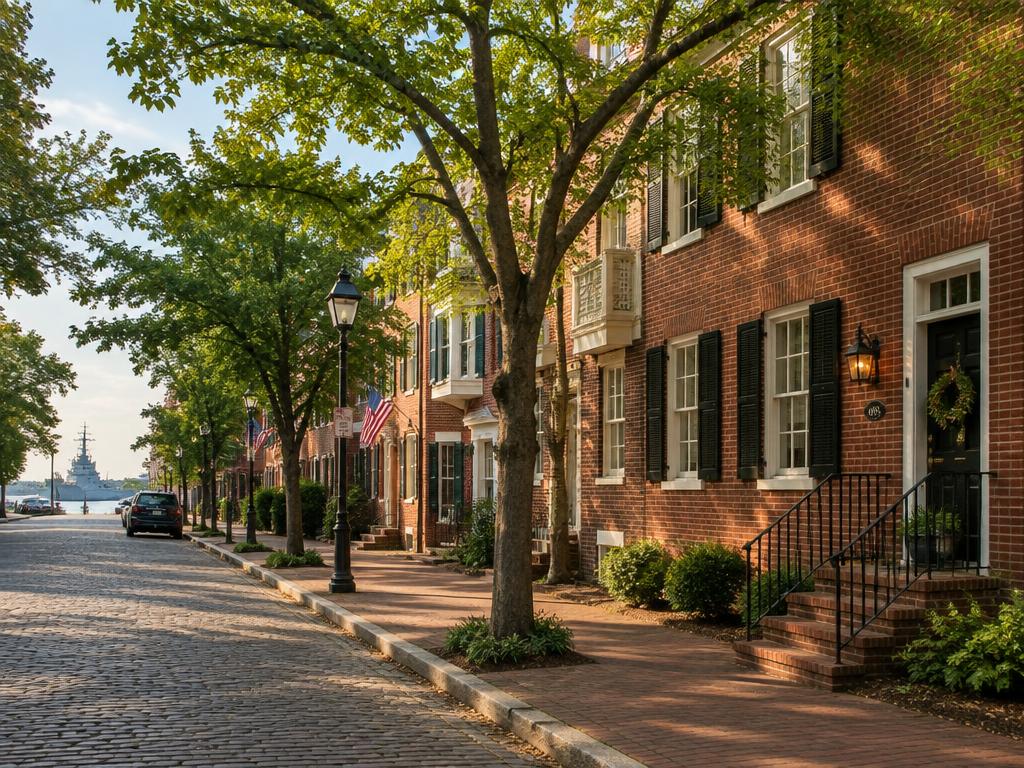
Because the neighborhood developed over several decades rather than in a single wave, you'll find a real mix of architecture. The earliest homes lean Queen Anne and Italianate, with turned porch columns, decorative trim and tall, narrow windows. As development continued into the 1920s and 1930s, more modest Craftsman bungalows and American Foursquares filled in the remaining lots.
Lot sizes here tend to be larger than in most older Norfolk neighborhoods, and many homes sit up on a bit of a rise, which is part of what makes the streetscape feel grander than the price points often suggest.
As with any collection of century-old homes, condition varies enormously from block to block and house to house. Some have been carefully restored, others have been split into apartments over the years, and some are waiting for a buyer willing to do the work. I always want to see recent updates to the roof, electrical and plumbing before we get attached to the porch and the trim.
Interior layouts often reflect their era too, with formal front parlors, generous staircases and butler's pantries in the larger homes, and simpler, more efficient floor plans in the bungalows built later. If a specific layout matters to your family, walking several homes back to back is the best way to get a feel for how differently these decades built.
Garages and driveways are inconsistent across the neighborhood since many homes predate widespread car ownership, so ask specifically about parking and any alley access when you're touring, since it varies block to block.
Roofs, HVAC systems and plumbing are the three items I ask every buyer to scrutinize closely regardless of how good a home looks cosmetically, since replacement costs on a large historic home can run well above what a similar project costs on a smaller postwar house.
Life Along the Elizabeth River
The Eastern Branch of the Elizabeth River defines this neighborhood's edge and its identity. Homes along the riverfront streets often have water views, and the neighborhood's relatively self-contained feel, quiet streets, mature trees, a short walk to the water, is one of the things buyers mention most after touring in person.
Chesterfield Heights also sits close to Norfolk State University and is a short drive from downtown Norfolk's arenas, theaters and restaurants, so you get a genuinely urban location without the density of Ghent or downtown itself.
If you want to compare it against other close-in, historic options, it's worth also touring Berkley and Huntersville, two nearby neighborhoods with a similar mix of age and river or creek frontage.
Even on interior streets a few blocks off the water, the neighborhood's tree canopy and generous setbacks give it a settled, established feel that's hard to find in newer subdivisions. It's the kind of place where people tend to stay for decades once they move in.
Flood Protection and Insurance
Chesterfield Heights sits directly on the Elizabeth River, and the city has invested heavily in coastal resilience here in recent years, including a floodwall and berm project completed to protect the neighborhood from tidal flooding and storm surge. That's genuinely good news for buyers, but it doesn't remove the need to check flood zone status for a specific address.
Norfolk's Forerunner tool lets you look up flood risk by address, and I run that check for every Chesterfield Heights listing before we write an offer. If a home sits in a FEMA-mapped flood zone and you're financing it, your lender will require flood insurance, so build that into your monthly budget using my mortgage calculator before you fall in love with a house.
I also ask sellers directly about past flooding, drainage issues and any insurance claims, and I want an inspector to look closely at the crawl space, foundation and grading on any home near the water.
That said, insurance costs and requirements can vary meaningfully even between two homes on the same block depending on elevation and flood zone designation, so don't assume a neighbor's policy or premium will match yours. Get a specific quote for the address you're considering before you finalize your offer.
Commutes: Downtown, the Tunnels and the Bases
One of Chesterfield Heights' biggest advantages is location. You're only a couple of miles from downtown Norfolk, with quick access to I-264 and the Berkley Bridge, which makes for a short commute to downtown offices, the courthouse and the medical campus at EVMS/Sentara Norfolk General.
Naval Station Norfolk and Norfolk Naval Shipyard are both reachable without a long highway slog, which draws military and shipyard families who want a shorter drive than they'd get from the Beach or Chesapeake. If you're relocating for work or orders, drive the actual route at the time of day you'll commute; my relocating page and PCS/military page cover how I help buyers moving in from out of town.
For buyers who work at Norfolk International Airport or in the Military Circle area, Chesterfield Heights also sits within an easy, mostly surface-street drive, which some commuters prefer over the interstate during peak hours.
HOAs and Neighborhood Organization
There isn't a mandatory HOA covering the whole historic district, but there is an active civic league that organizes neighborhood cleanups, historic preservation efforts and communication with the city about infrastructure projects like the floodwall. If a specific listing sits within any smaller association or has deed restrictions, I'll pull that documentation before you write an offer so there are no surprises about assessments or architectural review rules.
Because there's no citywide HOA dictating paint colors or landscaping, you'll see more individual expression here than in a planned community, which many buyers see as part of the appeal rather than a drawback.
Schools in Chesterfield Heights
Chesterfield Heights falls within Norfolk Public Schools, and the specific elementary, middle and high school assignment depends on your exact address and the division's current attendance zones, which have been shifting as NPS consolidates buildings citywide. I go through my schools guide for Chesterfield Heights with every family and always confirm zoning directly with Norfolk Public Schools before we write an offer, since boundaries can change from one school year to the next.
Financing an Older Home Here
Because so much of the housing stock predates 1950, financing sometimes requires extra attention, particularly for FHA and VA loans, which have their own property condition standards. A conventional loan can be more forgiving on cosmetic issues, while VA and FHA appraisers will flag things like peeling exterior paint or missing handrails that need to be addressed before closing.
I usually walk first-time buyers through FHA loans, veterans and active-duty families through VA loans, and anyone comparing options through conventional financing, so you know which loan type fits the specific house you're bidding on. My home buyer checklist is a good next step once you're ready to start touring.
It's also worth budgeting for a slightly higher homeowners insurance premium than you'd see on a new-construction home, given the age of the roof, wiring and plumbing in many of these houses, even after updates. Your lender and insurance agent can help you understand how that affects your total monthly payment.
Writing a Competitive Offer
Well-maintained, move-in-ready homes in Chesterfield Heights, especially ones with river views or recent renovations, tend to draw serious interest and can move quickly. Homes that need significant work sit on the market longer and give buyers more room to negotiate on price or ask for seller concessions toward repairs.
I pull recent comparable sales specific to this neighborhood before we set an offer price, since condition and location within the historic district can swing value more than square footage alone. If you're a first-time buyer, an investor eyeing a renovation project, or someone relocating for a shorter commute, my first-time buyers and investment buyers pages walk through how I tailor strategy to your situation.
Whatever your position, I'll help you weigh the character of an older Chesterfield Heights home against the real cost of bringing systems up to date, so your offer reflects what the house actually needs, not just what it looks like from the curb.
I also encourage buyers to think about resale from day one, even if you plan to stay for decades. Homes that have been well maintained and thoughtfully updated within the historic district's character tend to hold value better than ones with mismatched additions or deferred maintenance, so keep that in mind as you evaluate your options and plan any future work.
Escalation clauses and flexible closing timelines can help your offer stand out on the most desirable riverfront listings, while homes needing more work often leave room for a longer due-diligence period and repair negotiations.
Above all, come in with a clear sense of your own must-haves, whether that's river frontage, original woodwork, or simply the shortest possible commute downtown, so we can move quickly and confidently when the right Chesterfield Heights home comes on the market.