What Draws Buyers to Colonial Place
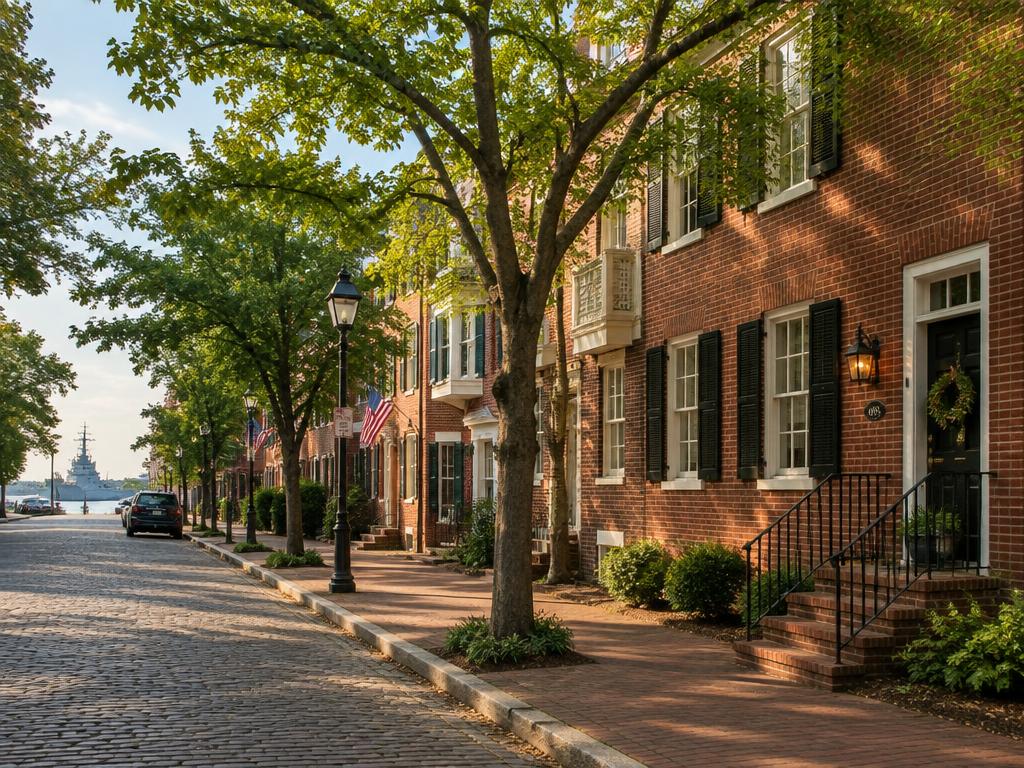
Colonial Place sits on a peninsula wrapped almost entirely by the Lafayette River, just north of downtown Norfolk, and it's one of the few close-in neighborhoods where you can still find a hundred-year-old home with a water view for a reasonable price. If you want tree-lined streets, front porches and a real sense of history instead of a subdivision, this is one of the first places I show buyers who describe that as their wish list.
The neighborhood grew up in the early 1900s as one of Norfolk's original streetcar suburbs, and it still carries that layout: curving roads, traffic circles and lots platted before anyone thought about two-car garages. Compared to the larger, pricier homes you'll find in neighboring Larchmont or the commercial energy of Ghent, Colonial Place tends to be a little more affordable and a little more mixed in condition, which is exactly what makes it appealing to buyers who want character without a Larchmont price tag.
This guide covers the history, housing stock, streets and commute, flood considerations, HOA situation, schools and financing here, plus how to write a competitive offer. For the bigger picture on the city, see my Norfolk overview.
I tell every buyer touring Colonial Place the same thing: come see it in person before you rule it out based on photos. A block that looks ordinary in listing pictures can turn out to have a wide porch, mature magnolias and a water view two doors down that never made it into the listing.
I also point out to buyers that Colonial Place rewards patience. Because the neighborhood has such a mix of home styles and conditions packed into a small footprint, the right house at the right price does come up, but you often have to look at several before the one that fits your budget and your must-haves lines up. That's part of why I like walking multiple streets with buyers early on, rather than judging the whole neighborhood off one listing.
A Neighborhood Built for the Jamestown Exposition Era
Colonial Place was developed starting in 1903, originally under the name Sterling Place, and was renamed in honor of the 1907 Jamestown Exposition. Street names throughout the neighborhood, Delaware, Wisconsin, Alabama and the like, come from that same colonial-themed naming convention used across several of Norfolk's early 20th-century suburbs.
Much of the neighborhood is recognized as a National Register historic district, encompassing over a thousand contributing buildings built mostly between 1903 and 1941. That history is part of the appeal: this isn't a manufactured 'historic-style' development, it's the real thing, with the architectural variety that comes from forty years of organic growth rather than one builder's plan.
If you care about a home's backstory as much as its square footage, Colonial Place is one of the few Norfolk neighborhoods where nearly every block has one.
Growth wasn't instant. Development slowed at times due to competition from other new Norfolk suburbs and citywide building slumps, which is part of why the neighborhood ended up with such a range of architectural styles rather than one uniform look. By the early 1940s, the area had grown to include hundreds of buildings, reflecting decades of steady, organic infill rather than a single builder's vision.
Housing Stock: Queen Anne, Colonial Revival and Craftsman Bungalows
Expect a genuine mix of early-20th-century styles here: Queen Anne homes with wraparound porches and turrets, Colonial Revival houses with symmetrical facades, Craftsman bungalows, Dutch Colonials, and later infill built through the 1930s and 40s. You'll also find pockets of brick ranches and a handful of condo and apartment buildings mixed into the residential streets.
Because the neighborhood was built out over roughly four decades rather than in a single wave, no two blocks look quite alike. Some streets have grand three-story homes with deep lots along the water, while a block or two inland you'll find smaller, more affordable cottages that make good starter homes or renovation projects.
That range in style and condition means pricing can vary a lot within the same few blocks, so I always want to walk the specific street with you rather than judge the neighborhood as a whole from an online search.
You'll also find later additions and renovations layered onto many of these homes, from sunroom add-ons to updated kitchens and modernized bathrooms, so it's worth asking sellers and agents for permit history on any significant work. A well-documented renovation on an older home gives you a lot more confidence than an undocumented one, even if the finished product looks similar.
Mayflower Road, the River and the Old Riverview Section
Mayflower Road curves along the shoreline and is where you'll find the neighborhood's best water views and a number of large homes with private docks on the Lafayette River. Colonial Place also includes the historic Riverview subdivision, an older waterfront pocket with its own long-standing character.
Buyers drawn to waterfront living should know that dock rights, bulkheads and shoreline maintenance are all real costs and responsibilities that come with these properties, on top of the usual home inspection. I'll walk you through what to ask a seller about the condition of a dock or bulkhead before you fall in love with the view.
If being directly on the water isn't a must, there are plenty of streets a block or two off Mayflower Road that still get river breezes and an easy walk to the water without the waterfront price tag.
The Riverview section in particular has its own long history and a slightly different feel from the newer-feeling core of Colonial Place, with some of the neighborhood's oldest waterfront homes. If a home here has a dock, ask about its age, permitting and any recent maintenance, since dock repairs and bulkhead work can be a meaningful expense that's easy to overlook when you're focused on the view.
Everyday Life: Granby Street, the Zoo and Colley Avenue
Part of what makes Colonial Place livable day to day is how close it sits to the restaurants and shops along Granby Street and neighboring Colley Avenue in Ghent, both an easy walk or short drive for coffee, dinner or a night out. The Virginia Zoo is right nearby as well, a favorite for families in this part of Norfolk.
The neighborhood's sidewalks, short blocks and neighborhood parks make it genuinely walkable in a way that newer, curving subdivisions in Hampton Roads often aren't. Residents I work with mention the dog park and boat launch as neighborhood perks that don't show up in a basic listing description.
It's a neighborhood where you'll get to know your neighbors quickly, for better and occasionally for worse, since lots are close together and streets can be tight for parking on busy evenings.
Because the neighborhood sits between Ghent and the ODU area, residents get the benefit of two very different commercial strips within a short drive or bike ride, without the noise and traffic that comes with living directly on either one. That in-between location is part of why so many buyers who work or study nearby end up choosing Colonial Place over a pricier spot right in the middle of the action.
Commutes: Hampton Boulevard, Downtown and the Navy Base
Colonial Place sits just off Hampton Boulevard, which makes it a quick shot north to Naval Station Norfolk and Old Dominion University, and a short drive south into downtown Norfolk. That combination is a big reason military families and ODU-affiliated buyers gravitate here.
Downtown access means the Downtown and Midtown Tunnels are within easy reach for anyone commuting into Portsmouth or working further west in Hampton Roads. If you're relocating for a base assignment or new job, I always recommend driving the actual commute at the time of day you'll be making it, not just checking a map. My relocating page and PCS/military page cover how I help buyers moving in from out of town or off orders.
Because the neighborhood is so central, it also tends to hold its value well as a launching point to nearly everywhere else in Norfolk, Virginia Beach or Chesapeake.
For anyone weighing Colonial Place against a neighborhood further out, remember that a shorter commute often means more usable time in your week, not just less time in the car. I've had plenty of buyers trade a bigger house farther from the base or downtown for a smaller, older home here simply because the daily commute savings mattered more once they actually lived with the alternative for a few months.
Flood Zones and Water Considerations
Being surrounded on three sides by the Lafayette River means flood risk is something every Colonial Place buyer needs to check for the specific address, not assume based on the neighborhood's reputation. Streets closest to the water and low-lying spots inland can fall within FEMA-mapped flood zones, while other blocks sit on higher ground.
I pull the FEMA flood map for any property before we write an offer, and I ask sellers directly about past water intrusion, drainage problems and prior flood insurance claims. If a home falls in a mapped flood zone and you're financing it, your lender will require flood insurance, which changes your real monthly payment, so run those numbers in my mortgage calculator before you get attached to a listing.
During inspection, I want extra attention paid to crawl spaces, foundations, grading and gutters, since these century-old homes were built before modern stormwater standards were common.
HOA, Civic League and Older-Home Inspection Items
Colonial Place doesn't have a mandatory HOA in the way newer planned communities do, but there is an active civic league that hosts events and advocates for the neighborhood; membership is typically voluntary rather than a fee tied to your deed. Always confirm the specific status for any property you're considering, since this can vary by section.
Buying a home built in the early-to-mid 1900s means budgeting for older-home realities: lead-based paint disclosures are required for homes built before 1978, older wiring and plumbing may need updating, and foundations deserve a close look given the age of these homes and their proximity to the river.
None of this should scare you off. It just means going in with a real inspection budget and a plan to negotiate repairs or credits where they make sense, rather than assuming charm on the outside means everything behind the walls is equally sound.
I also recommend a sewer scope on any home built before mid-century, since older clay or cast iron lines can develop cracks or root intrusion that a standard inspection won't always catch. It's a relatively small cost upfront that can save you from a expensive surprise after closing.
Schools in Colonial Place
Colonial Place falls within Norfolk Public Schools, and nearby elementary options in this part of the city have included Larchmont and Monroe elementary schools, though boundaries here have been shifting with recent redistricting. I go into detail on the schools serving this part of Norfolk in my schools guide for Colonial Place, including how to confirm exact zoning for a specific address.
Because attendance zones can and do change, I always recommend verifying the assigned elementary, middle and high school directly with Norfolk Public Schools before writing an offer, especially if schools are a top priority for your family.
Financing an Older Colonial Place Home
Financing here works like anywhere else in Hampton Roads, but older homes sometimes need extra attention from your lender and appraiser, particularly around electrical, plumbing and roof age. If you're using a VA loan, my VA loan guide covers what to expect with an older property, and my FHA guide and conventional loan overview can help you compare options.
Whichever route you take, get pre-approved before we start touring competitive Colonial Place listings, and use my home buyer checklist to keep the process organized from the first showing through closing.
Writing a Competitive Offer
Well-priced, updated homes in Colonial Place, especially anything near Mayflower Road or with genuine water views, tend to draw serious attention quickly. I pull recent comparable sales for the specific street or section before we settle on a number, since pricing here varies more block to block than in a typical subdivision.
I also encourage buyers to be flexible on cosmetic condition and firm on the things that are expensive to fix later: roof, foundation, electrical and flood status. A dated kitchen is a renovation project; a wet crawl space is a budget problem. Knowing the difference helps you write a stronger, smarter offer instead of just a higher one.
In a multiple-offer situation, I also look at how the seller has priced relative to true comparables versus aspirational pricing based on a renovated home down the street. Understanding which one you're dealing with changes how aggressive we need to be, and how much room there is to ask for inspection contingencies or closing cost help.