Why Buyers Fall for East Ocean View
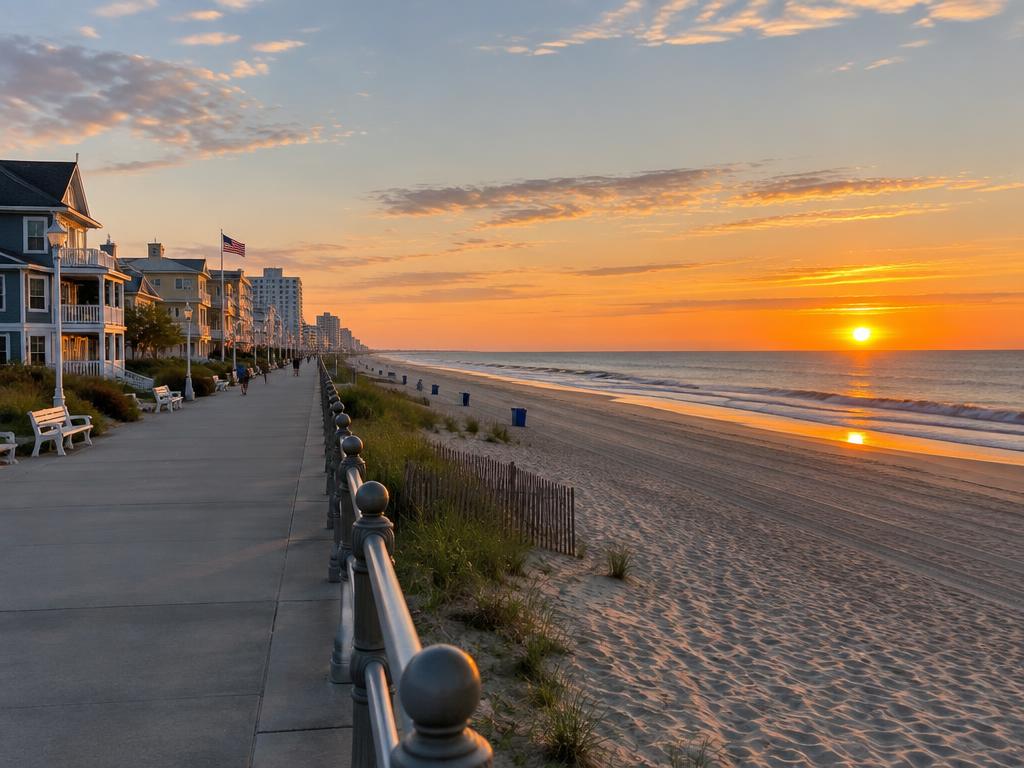
East Ocean View is the part of Norfolk where you can wake up, walk a few blocks and put your feet in the Chesapeake Bay before work. That's not marketing copy, it's just how the neighborhood is laid out, and it's the single biggest reason buyers ask me about it. You get beach living without leaving the city, and without the summer traffic and tourist crowds you'd deal with at the Virginia Beach Oceanfront.
The housing stock here is genuinely varied. You can buy a mid-century block cottage a few streets back from the water for a fraction of what a comparable lot would cost at the beach, or you can look at newer construction in East Beach, the master-planned community built along the shoreline. That range is part of why East Ocean View draws such a mix of buyers: young couples chasing their first home, retirees who want low-maintenance coastal living, investors eyeing rentals, and move-up buyers who grew up in Norfolk and always wanted to end up near the water.
This guide covers the streets and pockets that make up East Ocean View, the housing stock and its age, commute realities, flood zones and insurance, HOAs, schools, financing and how to put together a competitive offer. For the bigger picture on the city, see my Norfolk overview.
I've worked with buyers who came here specifically for the water and buyers who stumbled onto East Ocean View while comparing it against Virginia Beach and left surprised at how much more house and lifestyle their budget bought them once they crossed the city line into Norfolk.
Compared to neighborhoods farther from the water, East Ocean View also tends to attract buyers who prioritize lifestyle over square footage, which shifts how I approach touring and negotiating for clients here.
East Beach and the Newer Waterfront Blocks
East Beach is the most recognizable name inside East Ocean View. Built starting in 2004 on roughly 100 acres of Chesapeake Bay waterfront as part of a city-led shoreline revitalization, it was designed as a Traditional Neighborhood Development in the style of an Atlantic coastal village, with Charleston-style porches, alleys, and sidewalks that actually connect somewhere.
Homes here range from beach cottages to larger custom builds, many built in the 2000s and 2010s, so buyers get a newer-construction experience with the systems and codes to match, rather than the maintenance list that comes with a much older home. The Bay Front Club is the neighborhood's social hub, and it's worth touring on a weekend to see how residents actually use the space before you decide if the HOA lifestyle fits you.
Because East Beach was purpose-built as a walkable, amenity-rich community, prices and HOA dues here run higher than the older blocks of East Ocean View. If that lifestyle and price point work for you, it's one of the more distinctive places to buy in Hampton Roads.
Streets in East Beach are intentionally narrow and tree-lined, with homes set close to the sidewalk in the New Urbanist style, which some buyers love for the sense of community it creates and others find takes adjustment if they're used to more suburban spacing. I'd encourage you to walk the neighborhood at different times of day before deciding.
The Older Cottage Blocks Closer to Ocean View Avenue
Away from East Beach, most of East Ocean View is made up of smaller, older homes: brick ranches, block cottages and beach bungalows built mid-century as summer homes for Norfolk families before the area became a year-round neighborhood. Many of these have been renovated over the decades, but you'll still find original ones with real bones and real quirks.
These blocks are where I send buyers who want proximity to the water without East Beach pricing. Lot sizes are modest, streets are narrow, and it's a genuinely walkable stretch if you like being able to get to the sand on foot or by bike. Ocean View Avenue itself runs along much of the shoreline and gives you a sense of how the neighborhood strings together beach access points, small parks and older commercial pockets.
Condition varies a lot from block to block and even house to house, so don't assume proximity to the water means everything else has been updated. I always want a full inspection here regardless of how good a home looks on the surface.
Some of these cottages have been converted into duplexes or small rental properties over the years, which can be a great opportunity for investor buyers but also means you'll want to check zoning and any prior permit history carefully before assuming a property's current use is guaranteed to continue.
A Beach Community With Deep Norfolk Roots
Ocean View has been a getaway for Norfolk residents since the late 1800s, when it was a streetcar-era resort with an amusement park and boardwalk. That history explains the layout you see today: small lots platted for summer cottages, a grid oriented toward the water, and a neighborhood that feels distinct from the rest of Norfolk even though it's still inside city limits.
That legacy also means East Ocean View has gone through real ups and downs, and the East Beach redevelopment was part of the city's effort to reinvest in the shoreline. Buyers who appreciate that arc, from resort town to working-class beach neighborhood to a renewed waterfront community, tend to feel a real connection to the area once they understand it.
You'll still find remnants of that older resort character in some of the smaller commercial buildings and older cottages scattered through the neighborhood, which gives East Ocean View a lived-in, layered feel that a purely modern development wouldn't have.
Commutes: Norfolk International Airport, the Naval Bases and Downtown
East Ocean View sits close to Norfolk International Airport, generally about a 10-minute drive, which matters to buyers who travel often. It's also well positioned for military families, with a short commute to Naval Station Norfolk and JEB Little Creek-Fort Story, both a straightforward drive without needing to touch the Downtown or Midtown Tunnels.
Getting to downtown Norfolk or into Virginia Beach means using Shore Drive or Tidewater Drive, both of which can back up during peak commute hours and beach season weekends. If you're relocating for work or PCS orders, I'd encourage you to actually drive your commute at the time of day you'll be doing it before writing an offer. My relocating page and PCS/military page go into more detail on how I help buyers moving from out of town or off orders.
For buyers who work downtown, the drive is short in miles but the route through Tidewater Drive can be slower than the distance suggests, so I always tell clients to test it themselves rather than trusting a map's estimated time alone.
Shore Drive itself is a scenic route along the water, which makes the commute more pleasant than most, even on the days traffic is heavier than you'd like.
Flood Zones and Insurance: Non-Negotiable Homework
East Ocean View sits directly on the Chesapeake Bay, so flood risk is not a hypothetical here, it's part of buying in the neighborhood. Norfolk's Forerunner tool lets you look up flood risk for a specific address, and I pull FEMA flood maps for every property before we write an offer.
Homes closer to the water are more likely to sit in a Special Flood Hazard Area, which means a lender will require flood insurance if you're financing. That's a real monthly cost, not a footnote, so I want you running the numbers in my mortgage calculator before you fall in love with a specific house.
During inspections, I ask for extra attention to elevation, crawl spaces, drainage and any history of water intrusion, and I always ask sellers directly about past flood claims. None of this should scare a buyer off entirely, plenty of people live here happily and manage the risk, but it needs to be priced into your decision with real numbers, not guesses.
Norfolk has also invested in resiliency projects along the Ocean View shoreline over the years, and it's worth asking about any nearby drainage or living shoreline improvements when you're evaluating a specific block, since those projects can meaningfully affect a property's real-world flood exposure over time.
I'd rather walk a buyer away from a specific house than have them discover a flood surprise after closing, so I treat this research as mandatory, not optional, on every East Ocean View contract I write.
HOAs and Neighborhood Associations
East Beach operates with an HOA that covers common areas like the Bay Front Club, landscaping and community events, and those dues are part of your real monthly cost, on top of a mortgage payment. Older sections of East Ocean View are generally not under a mandatory HOA, though some pockets may have a civic league or voluntary association.
Before you write an offer, I pull the HOA documents so you know exactly what you're paying for and what rules apply, whether that's architectural guidelines, rental restrictions or assessment history.
If you're considering renting out a property in East Beach down the road, check the HOA's rules on rentals early, since some planned communities restrict short-term or even long-term leasing in ways that could affect your plans.
Schools in East Ocean View
Norfolk Public Schools zones this neighborhood, and I always confirm exact school assignments by address before a family buys, since boundaries can shift. I've put together a full breakdown, including verified school names and grade levels, on my East Ocean View schools guide.
If schools are a top priority in your search, tell me early so I can prioritize touring homes within a confirmed zone rather than relying on general neighborhood reputation.
Financing an East Ocean View Home
Financing here works the same as anywhere in Hampton Roads, but flood insurance and, in some cases, older-home condition issues can affect your loan approval and your real monthly payment. Veterans and active-duty buyers use VA loans often in this market given the proximity to Navy installations; see my VA loan guide for specifics.
First-time buyers should look at my FHA loan guide, and if you're putting down a larger down payment or have strong credit, my conventional loan guide walks through when that route makes sense. Whatever loan type you're considering, run your numbers with flood insurance included in my mortgage calculator, not after the fact.
Lenders will also want an appraisal that accounts for flood zone status, so budget extra time in your closing timeline if your chosen home sits in a mapped high-risk zone, since flood determinations and insurance quotes can occasionally slow things down.
Writing a Competitive Offer Near the Water
East Beach and the best-located older cottages both tend to move quickly when they're priced right, so I want you pre-approved, clear on your flood insurance number, and ready to move before we start touring seriously. Waterfront-adjacent inventory here is limited enough that hesitation costs buyers real opportunities.
For older homes away from the water, there's usually a bit more room to negotiate repairs or credits, especially if the home has sat a little longer or needs cosmetic work. I'll walk each property with you and tell you honestly which category it falls into before we decide how aggressive to be.
If you want to compare East Ocean View against nearby options, take a look at my guides to Ocean View and Willoughby Spit, both a short drive away and each with its own personality. My home buyer checklist is also a good place to start organizing your search.
Whichever pocket of the neighborhood you land on, I'll help you weigh the trade-offs between lifestyle, price, condition and flood exposure honestly, rather than just chasing the prettiest listing photos.