Why Buyers Fall for Ghent
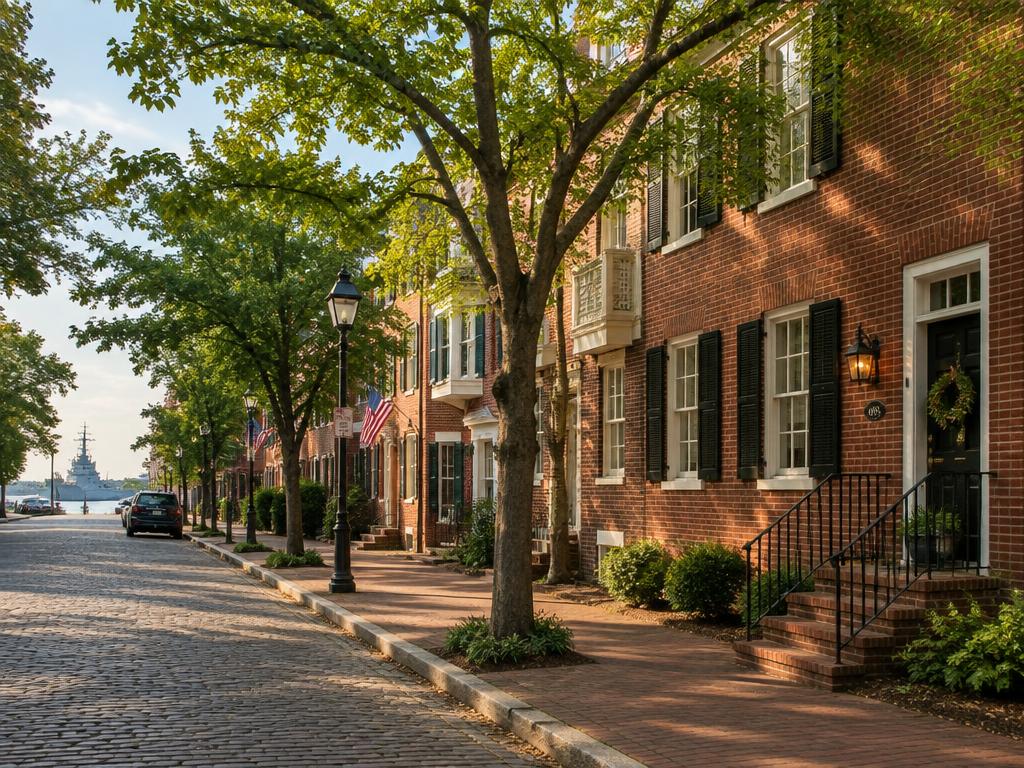
Ghent is the neighborhood I show buyers when they tell me they want a real, walkable neighborhood with history baked into every block, not a subdivision that looks like the one next to it. Century-old Colonial Revivals, Tudors and Queen Annes line streets that curve around The Hague, a small tidal inlet off the Elizabeth River, and Colley Avenue gives the whole area a genuine main-street feel with local shops, coffee, and restaurants you can walk to.
It's also one of the closest-in neighborhoods to downtown Norfolk, which means short trips to Sentara Norfolk General, CHKD, EVMS and the office towers downtown. Compared with the newer construction you'll find out in Poplar Halls or further into the suburbs, Ghent trades yard size and a two-car garage for architecture, walkability and location.
This guide covers the streets and sub-areas, housing stock and era, commutes, flood exposure, HOAs, schools and financing, plus how to write a competitive offer here. For the bigger picture on the city, see my Norfolk overview.
Buyers who do best in Ghent are the ones who come in with an open mind about trade-offs: older systems in exchange for character, street parking in exchange for walkability. Once we've toured a few blocks together, most buyers know pretty quickly whether Ghent is their neighborhood or not.
Buyers relocating from larger cities often tell me Ghent is the first Hampton Roads neighborhood that's felt like a real neighborhood to them, dense enough to walk everywhere but still quiet on the residential streets once you're a block off Colley Avenue.
A Neighborhood Built Around The Hague
Ghent developed as one of Norfolk's first suburbs starting in the 1890s, built on former farmland just northwest of the old city, and it's still organized around The Hague, the Y-shaped tidal inlet that gives so many homes here their water views. The Ghent Historic District is listed on the National Register of Historic Places, and the streetscapes, brick sidewalks, mature trees and a general absence of overhead utility wires in the core, still reflect that early planning.
Mowbray Arch is one of the grandest original streets, lined with large historic homes facing the water, while the blocks north of Pembroke Avenue follow a simpler grid and the blocks south curve with the shoreline of the inlet. Two diagonal connector streets, Drummond Place and Mill Street, tie the curved sections together, which is part of why Ghent feels different to walk than a typical grid neighborhood.
I like giving buyers this context up front because it explains why lot shapes, setbacks and even the front porch you're touring can look so different just a block or two apart.
North Ghent, developed just north of the original neighborhood between about 1897 and 1912 as Colonial Avenue extended, is its own separate historic district and adds another stretch of large Queen Anne and Colonial Revival homes to the mix, some designed by prominent early Virginia architects [1](https://www.dhr.virginia.gov/historic-registers/122-0827/).
Colley Avenue, West Ghent and Ghent Square
Colley Avenue is the commercial spine of the neighborhood, and homes within walking distance of it tend to command a premium for that convenience. West Ghent sits along the Elizabeth River near the Midtown Tunnel and offers a similar mix of Craftsman, Colonial Revival and Spanish-influenced homes, often at a slightly gentler price point than the historic core around The Hague.
Ghent Square, tucked between Colonial and Llewellyn Avenues around the tree-lined median of Botetourt Gardens, mixes classic brick colonials with midcentury apartment buildings and tends to turn over less often, since residents who land there often stay put.
When buyers ask me which pocket of Ghent to focus on, I usually start by asking how much walkability versus water view versus turnkey condition matters most, because those priorities point toward different streets.
The Ghent Farmers Market runs on the first and third Friday of each month from spring through fall at Colley and Spotswood, right in front of James Blair Middle School, and it's become one of the neighborhood's regular gathering points, along with a holiday market each December [2](https://www.ghentnorfolk.org/ghent-farmers-market).
Housing Stock and What to Expect Inside
Most Ghent homes were built between about 1900 and 1930, so you'll see genuine period detail: hardwood floors, high ceilings, original millwork, and in some cases carriage houses or detached garages tucked behind the main house. Styles range from grand Colonial Revivals on Mowbray Arch to Craftsman bungalows and rowhouse-style attached homes closer to Colley.
Because of that age, expect a real range of condition. Some homes have been fully updated with modern kitchens and systems while keeping original trim, and others still have knob-and-tube wiring, older plumbing, or a foundation that needs a specialist's eye. Neither is automatically a dealbreaker, but the price should reflect which one you're buying.
Lot sizes are generally modest by suburban standards, and off-street parking is inconsistent, so ask specifically about parking and garage access on any home you're serious about.
Because so many of these homes were built before 1930, I always ask sellers directly about past renovations to plumbing, wiring and the roof, and I want a home inspector who's comfortable evaluating older masonry foundations and original systems rather than someone used to newer construction only.
Getting Around: Downtown, the Tunnels and the Bases
Ghent's location is one of its biggest selling points for commuters. You're a short drive from downtown Norfolk, and the Midtown Tunnel connects West Ghent directly to Portsmouth, which matters if your job or your spouse's job is on that side of the water. I-264 is close by for trips toward Virginia Beach or Chesapeake.
For military families, Naval Station Norfolk and Norfolk Naval Shipyard are both a reasonable drive from Ghent, though it's not the shortest commute in the city, that honor tends to go to neighborhoods closer to the base itself. If a short shipyard or base commute is your top priority, compare Ghent against a base-adjacent guide before deciding, and see my relocating and PCS/military pages for how I help buyers moving on orders or from out of town.
Because Ghent is dense and walkable, plenty of residents also walk or bike to Colley Avenue, EVMS, or the hospitals rather than drive for every errand, something you don't get in most of Norfolk's newer neighborhoods.
Flood Zones and Water Considerations Around The Hague
Because Ghent wraps around a tidal inlet and sits close to the Elizabeth River, flood risk varies block by block and is something every buyer needs to check for the specific address, not assume from the neighborhood's reputation. Norfolk's Forerunner tool lets you look up flood risk data for individual properties, and I pull that alongside the FEMA flood map before we write any offer.
If a home sits in a mapped flood zone and you're financing the purchase, your lender will require flood insurance, which changes your real monthly cost. Run different scenarios in my mortgage calculator so the numbers are clear before you fall in love with a house.
I also ask sellers directly about past water intrusion, sump pumps, and any prior flood insurance claims, and I want an inspector paying close attention to crawl spaces, grading and drainage on any home near The Hague or the river.
HOAs, Civic Leagues and the Historic District
Most of Ghent doesn't have a mandatory HOA in the way a newer subdivision does, but active civic leagues play a real role in neighborhood life, and homes within the Ghent Historic District may be subject to architectural review for exterior changes. That matters if you're planning additions, replacement windows, or exterior renovations, so ask early rather than after you've closed.
Condo buildings, and there are several in Ghent and Ghent Square, do carry monthly fees and their own rules, so review the condo docs and reserve study carefully alongside your standard due diligence.
I walk every Ghent buyer through what's actually enforced, structural review versus a civic league newsletter, so you know exactly what you're agreeing to before you own the house.
Schools Serving Ghent
Ghent is served by Norfolk Public Schools, and I always confirm exact zoning by address before a buyer writes an offer, since boundaries can shift and Ghent overlaps a few zone lines. I've put together a full breakdown, including elementary, middle and high school options, in my schools in Ghent guide.
If schools are a top priority in your search, tell me early so I can pull the current attendance zone for any specific address you're considering rather than relying on general neighborhood reputation.
Financing an Older Ghent Home
Ghent's price points span a wide range, from condos and smaller cottages to large historic homes on Mowbray Arch, so conventional, VA and FHA financing all show up regularly here. My guides to VA loans, FHA loans and conventional loans explain how each program works.
Because so many Ghent homes predate 1978, VA and FHA appraisers will flag peeling paint, exposed wiring and other safety issues that typically have to be resolved before closing. If a home needs more work than a standard loan covers, ask your lender about renovation loan programs that roll eligible repair costs into the mortgage.
First time buying a home? My home buyer checklist and first-time buyers page walk through the process step by step.
Condos in Ghent Square and along Colley Avenue can also come with their own financing wrinkles, since lenders look closely at a building's owner-occupancy ratio, reserve funds and any pending litigation before approving a loan, so I flag that early with buyers who are considering a condo here.
Writing a Competitive Offer in Ghent
Well-priced, well-maintained homes near The Hague and Colley Avenue can move quickly, especially move-in-ready homes that keep their period character. Homes that need significant systems work, or sit further from the walkable core, often have more room for negotiation.
Because condition and location within Ghent vary so much, I study recent sales on the same or comparable blocks rather than a broad neighborhood average before we set a number. A strong offer here typically pairs a solid pre-approval with a realistic inspection period given the home's age.
If you're also selling a home as part of this move, my Ghent seller's guide explains how I coordinate both sides. For a look at nearby options, see my guides to Colonial Place and Freemason as well.
I also recommend budgeting time for the due diligence period on any Ghent home built before 1930, since older houses can turn up surprises during inspection that need a few extra days to price out with a contractor before you finalize your decision to move forward.
Life on the Water: Kayaking, Walking and The Hague
Plenty of Ghent residents keep a kayak or paddleboard just for The Hague, and the path along the water is a favorite for morning walkers and runners. It's a small-town amenity in the middle of a city, and it's a real reason buyers choose Ghent over a neighborhood with a bigger yard but no water access at all.
The Chrysler Museum of Art and the Hermitage Museum & Gardens both sit close to Ghent, and having that kind of cultural anchor nearby is part of what makes the neighborhood feel distinct from anywhere else in Hampton Roads.