Why Ballentine Place Keeps Coming Up With My Buyers
Ballentine Place is one of those Norfolk neighborhoods that buyers stumble onto almost by accident, usually while touring a house nearby, and then can't stop asking about. It's a compact, walkable grid of early-1900s homes centered on a real neighborhood park, and it sits close enough to Norfolk's core that you're minutes from downtown, ODU, and the medical center district without paying the prices those closer-in neighborhoods command.
I show this neighborhood most often to buyers who want an older home with genuine architectural detail but don't want to compete for Ghent or Colonial Place prices. Ballentine Place gives you front porches, hardwood floors, and a real street grid at a more accessible price point, which is exactly why it's become a go-to recommendation for first-time buyers and renovators alike.
This guide covers the neighborhood's history, its housing stock, commute routes, flood considerations, HOA situation, schools, financing and how to put together a competitive offer. For the broader picture of the city, see my Norfolk overview.
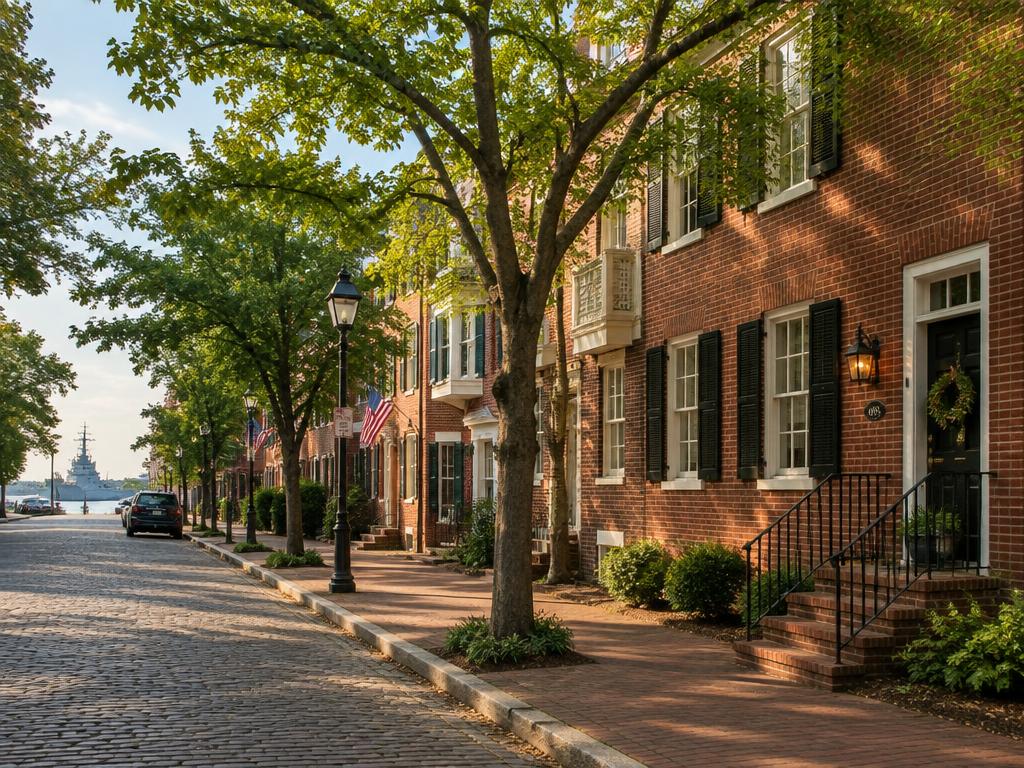
I also find that buyers who tour Ballentine Place in person almost always respond differently than they did to the photos online. A tree-lined block with original porches and a park at the center reads very differently walking it at sunset than it does scrolling through a listing, and I encourage every serious buyer to see it that way before deciding.
A Planned Streetcar Community With Real History
Ballentine Place was platted in 1909 by the Ballentine Realty Corporation and named for Thomas R. Ballentine, a Norfolk County landowner and city councilman during Reconstruction. The neighborhood was laid out in a grid uncharacteristic of earlier Norfolk development, with long, narrow lots and a large central park, and it was built out primarily between 1915 and 1953 as an affordable option for working-class families.
The neighborhood was annexed into the City of Norfolk in 1923 along with Ocean View, Edgewater and Larchmont. Today the core of Ballentine Place is a recognized National Register historic district, which tells you something about how intact the original streetscape has remained over a century later.
I like walking new buyers through this history before we tour, because it explains what you'll see on the ground: consistent setbacks, tree-lined streets, and a real sense that this neighborhood was designed to be lived in, not just built and forgotten.
The district also includes a handful of non-residential landmarks worth knowing about, including several early-20th-century churches and the site of the original Ballentine School, which has since been redeveloped into townhomes. Those buildings give the neighborhood an anchor beyond just the housing stock, and longtime residents often reference them when describing where they grew up or how the neighborhood has changed.
Housing Stock: Bungalows, Foursquares and Cape Cods
Most of Ballentine Place's homes date from the 1910s through the 1950s, and the architectural variety is one of the neighborhood's biggest draws. You'll find Craftsman bungalows with deep front porches, American Foursquares, Colonial Revivals, a scattering of Queen Anne-era homes, and mid-century Cape Cods filling in the later blocks.
Because the neighborhood built out over decades rather than in a single wave, no two blocks look quite alike. Some streets carry larger two-story homes on bigger lots, while others are lined with smaller one-and-a-half-story cottages closer together. That range means condition and price can vary meaningfully even within a few blocks, so it pays to look at several homes before deciding what era and style actually fits your budget and your taste for renovation.
If you love old-house character, this is one of the more affordable places in central Norfolk to find it. If you'd rather have a fully updated home with no surprises, I'll help you be realistic about how much of that character comes with deferred maintenance attached.
Lot sizes here also vary more than buyers expect from a grid-platted neighborhood. Corner lots and homes fronting the park tend to be larger, while interior lots on the narrower streets are more modest, so if outdoor space matters to your day-to-day life, it's worth telling me that early so we can prioritize accordingly.
Buyers who've shopped closer-in Norfolk neighborhoods often tell me the value here surprises them, since a comparably sized and detailed home in Ghent or Colonial Place would cost considerably more. That value gap is a big part of why renovators and first-time buyers keep circling back to Ballentine Place year after year.
Ballentine Boulevard and the Park at the Neighborhood's Heart
Ballentine Boulevard is the neighborhood's main spine, lined with some of its largest and most architecturally distinct homes. The neighborhood's central park, improved by the Works Progress Administration in the 1930s with a lake, walkways and landscaping, has remained the social and visual anchor of the community ever since.
Buyers who tour here often mention how much the park changes the feel of the neighborhood compared to a typical grid of Norfolk rowhouses. It gives Ballentine Place a genuine gathering space, something a lot of older, denser neighborhoods never had room for.
Streets closest to the park and to Ballentine Boulevard tend to carry a premium over the smaller side streets, so if being near that green space matters to you, tell me early and we'll prioritize those blocks in our search.
Everyday Life and Getting Around
Ballentine Place sits close to Military Highway and to the retail and dining along that corridor, along with easy access to the shops near Norfolk's medical center district and to downtown. It's a genuinely walkable neighborhood by Norfolk standards, with sidewalks on nearly every block and short distances between houses, the park, and neighboring commercial strips.
Because the neighborhood is centrally located, buyers here tend to be a mix of young professionals, downsizers, and investors renovating older homes, rather than one single demographic. That mix keeps the neighborhood feeling lived-in rather than trendy, which a lot of my buyers actually prefer.
Grocery, pharmacy and everyday errands are all a short drive away given the neighborhood's central position, and the surrounding commercial corridors have continued to see reinvestment over the past several years, which buyers should factor into their long-term view of the area.
Public transit options along Military Highway and nearby corridors also give residents without a car more flexibility than in some of Norfolk's more spread-out suburbs, which matters to a subset of buyers I work with.
Commutes: Military Highway, I-64 and the Navy Bases
Ballentine Place's central location is a real commuting advantage. Military Highway runs close by, connecting quickly to I-64 and I-264, and downtown Norfolk is a short drive away. That puts Naval Station Norfolk, the Norfolk Naval Shipyard across the river, and downtown offices all within a reasonable daily commute.
If you're relocating for work or orders, I always recommend driving the actual route at the time of day you'll be commuting before writing an offer. My relocating page and PCS/military page cover how I support buyers moving from out of town or coming off orders.
Because Ballentine Place is roughly equidistant from several of the region's major employers, I also see a fair number of buyers here who work in Chesapeake or Portsmouth and simply wanted a shorter overall commute triangle rather than living directly next to any one base.
Flood Zones and Drainage
Ballentine Place isn't a waterfront neighborhood in the way that some Norfolk communities are, but parts of it sit near the marshy termination of the Lafayette River, and low-lying blocks can still be affected by heavy rain and drainage issues common to older Norfolk infrastructure. I never assume a property is or isn't in a flood zone; I pull the FEMA flood map for the specific address before we write an offer.
If a home turns out to be in a mapped flood zone and you're financing it, your lender will require flood insurance, and that changes your real monthly payment. Run the numbers in my mortgage calculator so you know your true cost before you fall in love with a house.
I also ask sellers directly about past water intrusion or drainage problems, and I want an inspector paying close attention to crawl spaces, grading and gutters on any home built before modern stormwater standards existed.
HOA and What to Expect From the Historic District
Ballentine Place does not have a mandatory homeowners association charging dues, which keeps monthly costs predictable compared to newer planned communities. That said, because a large section of the neighborhood sits within a recognized historic district, exterior changes to contributing homes can be subject to additional review, so if you're planning major renovations, ask about that before you buy.
I'll walk you through exactly what a given property's historic district status does and doesn't restrict, since it varies by exactly where the home sits within the district boundaries.
Schools: What to Check Before You Buy
Norfolk Public Schools zones this area, and depending on the exact address, elementary, middle and high school assignments can differ from one block to the next. I always recommend confirming zoning for a specific address directly with the school division before writing an offer. I go through the details, including how to check current attendance zones, in my Ballentine Place schools guide.
Financing an Older Ballentine Place Home
Because most homes here were built decades ago, financing sometimes requires a little more planning than a new-construction purchase, particularly if a lender's appraisal flags deferred maintenance or older systems. VA and FHA buyers should know that some loan products require repairs to be addressed before or at closing, so ask your lender and me about that early in the process.
For a rundown of loan options, see my guides to VA loans, FHA loans for first-time buyers, and conventional financing. My home buyer checklist is a good next step once you're ready to start touring.
I also encourage buyers to get a full home inspection even when a loan program doesn't strictly require one, since it's the clearest way to understand what you're taking on before you're locked into a purchase.
Writing a Competitive Offer
Well-priced, well-maintained homes in Ballentine Place tend to move quickly, especially those near the park or on Ballentine Boulevard. I pull recent comparable sales for the specific block before we write, since pricing can shift meaningfully from street to street given the range of home ages and conditions here.
If you're comparing Ballentine Place to other central Norfolk options, my guides to nearby Fairmount Park, Park Place and Huntersville can help you compare styles, pricing and commute before you commit. Whenever you're ready to see what's actually on the market, reach out and I'll set up a tour built around what matters most to you.
First-time buyers in particular tend to do well here if they go in with a clear sense of which repairs they're willing to take on themselves versus which ones they want negotiated up front. I'll help you draw that line before we ever write an offer, so you're negotiating from a position of clarity rather than emotion.