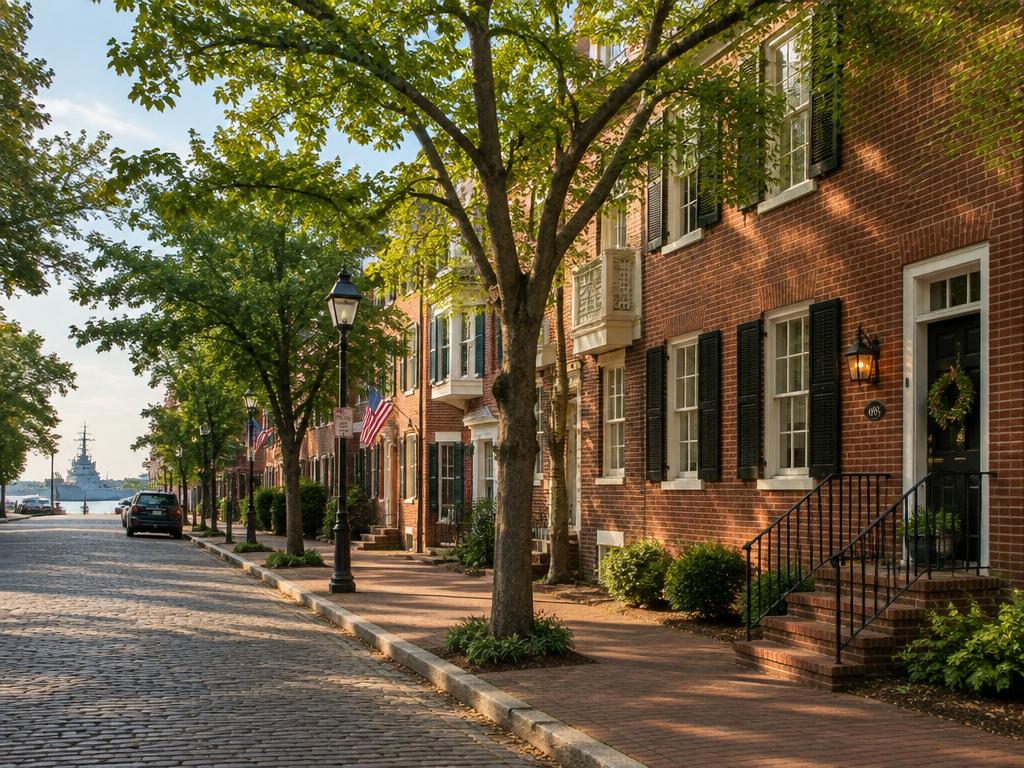
Selling a House in Norfolk Is About Age, Water and Location
Norfolk is an older, denser, water-surrounded city, and that gives its housing market a very different feel from the suburbs around it. Many homes in Ghent, Larchmont, Colonial Place and Ocean View were built generations ago, a lot of the city sits near the Elizabeth and Lafayette Rivers or the Chesapeake Bay, and buyers include Navy families, medical and university staff, downtown professionals and investors.
For a Norfolk seller, that means three things come up again and again: how the home's age and condition are presented, what the flood zone and insurance picture looks like, and which buyer pool your location attracts. This guide walks through each step of a Norfolk sale with those factors in mind. For the statewide overview, see how to sell a house in Virginia.
Step 1: Set Your Goal and Timing
Are you after top dollar, a quick sale, or a closing timed around your next purchase or a set of orders? Norfolk has the largest naval base in the world, so a lot of local sellers are working around a PCS date. My PCS out of Norfolk guide covers selling from a distance, and best time to sell a house in Hampton Roads covers seasonal timing.
Step 2: Price Block by Block
Pricing is where most sales are won or lost. In Norfolk, I build your price from closed sales in your part of the city, active competition you'll be listed against, and homes that sat and expired, then adjust for condition, updates and lot. Online estimates can't see your kitchen, your roof age or which side of a busy road you're on. My guide on how to price your home in Hampton Roads walks through the method in more detail.
In Norfolk, pricing can change noticeably within a few blocks. Proximity to the water, flood zone status, street character, parking and walkability all show up in sale prices. A renovated home in Ghent prices differently from a similar-size home in Ocean View, and both differ from Larchmont.
Step 3: Prepare an Older Norfolk Home
Older homes have character buyers love, and systems buyers worry about. Before listing, I help you get ahead of the questions an inspector is likely to raise: roof age, electrical panel, plumbing materials, crawl space moisture, foundation and drainage. You don't have to fix everything, but knowing what's there lets us price and disclose with confidence instead of renegotiating later.
If the home is in a mapped flood zone, gather your flood insurance declarations, any elevation certificate and records of mitigation work. Buyers and their lenders will ask, and having answers ready keeps them from walking away. See preparing your home to sell and selling as-is vs. making repairs.
Step 4: Historic Districts, HOAs and Disclosures
Parts of Norfolk sit in local historic districts, where exterior changes may need city review. If you've done exterior work, have the paperwork handy. Condos and some neighborhoods also come with association documents buyers have time to review. My guide to Virginia seller disclosures explains what sellers typically provide.
Step 5: Market to Navy, Medical and Downtown Buyers
Norfolk buyers often shop on tight timelines, especially service members arriving on orders. Strong photos, a video walkthrough and clear notes on commute, parking and flood status help them decide quickly, sometimes before they've visited. Walkable neighborhoods also benefit from showing the lifestyle: nearby restaurants, parks and the water.
Your listing goes on the MLS and the major search sites, and I push it through agent networks and my brokerage so buyer's agents with active clients see it early. For show-ready tips, read staging and showings.
Step 6: Know Your Net Before You Sign
Before you list, it helps to know what you'll actually walk away with. Seller costs in Norfolk usually include commission, the Virginia grantor's tax, settlement and attorney fees, prorated property taxes, payoff of your mortgage and any buyer concessions you agree to. My net proceeds calculator gives you a quick estimate, and my guide to what it costs to sell a house in Virginia uses example maximums of 6% commission and 3% seller concessions. Those are the most they would typically be in that example, not a fixed rate: commission and concessions are negotiable and vary from sale to sale. For a line-by-line look at the settlement statement, see seller closing costs in Virginia.
Step 7: Review Offers and Negotiate
When offers come in, the highest price isn't always the best offer. I compare financing type, down payment, appraisal and inspection terms, the requested closing date and any concessions. If you get more than one, read how to handle multiple offers as a seller. After inspection, repairs the buyer and seller agree to are written into the PICRA, the Property Inspection Repair Addendum, so it's clear exactly what's being fixed before closing. My guide to inspection negotiation, repairs and credits and what happens with a low appraisal cover the two places deals most often wobble.
On older Norfolk homes, inspection reports can be long. I help you separate safety and system items from cosmetic notes so you only negotiate what matters.
Step 8: Under Contract to Closing
After the inspection and PICRA, the appraisal is ordered and the buyer's lender works toward final approval. VA and FHA buyers are common in Norfolk, and their appraisals can flag certain safety or condition items, so we plan for that up front. I stay in contact with the lender, title company and buyer's agent so closing stays on schedule, and I review your settlement figures with you in advance.
A Typical Norfolk Selling Timeline
Here's a general outline. Your timeline depends on condition, price point and the market.
| Stage | Typical length | What happens |
|---|---|---|
| Consultation and pricing | A few days | Walkthrough, block-level comps, net estimate |
| Prep and photos | 1 to 3 weeks | Pre-listing repairs, flood/insurance paperwork, photography and video |
| On the market | Varies by price and area | Showings, feedback, offers |
| Under contract to closing | Often 30 to 45 days | Inspections, PICRA, appraisal, loan approval, settlement |
Timelines vary with market conditions, financing type and repairs.
Norfolk Neighborhood Selling Guides
Go deeper on your area: Ghent, Larchmont, Colonial Place, Ocean View, East Ocean View and Freemason. The full list of Norfolk guides is on my Listing Agent page.
Selling Your Norfolk Home With Me
If you're interviewing agents, my guide on how to choose a listing agent lists the questions worth asking, and listing agreements explained covers term length, cancellation and exclusive right to sell. When you're ready, see how I work as your Hampton Roads listing agent, or start with my local overview of selling a home in Norfolk.
Share your address and timing using the form on this page, and I'll send a pricing plan and net estimate for your Norfolk home.
This article is general information, not legal, tax or financial advice. Contract terms, disclosure rules, closing costs and market conditions change and vary by property, so confirm specifics with a Virginia real estate attorney, title company or tax professional.