Who's Buying in Huntersville Right Now
Huntersville draws a mix of first-time buyers priced out of Ghent and Colonial Place, investors looking for renovation projects close to downtown, and buyers who specifically want the neighborhood's history and architecture. Understanding which of these buyers is most likely to want your specific home changes how I price and market it.
A move-in-ready, updated home here will draw traditional owner-occupant buyers competing with financing contingencies. A home that needs real work will draw investors and cash buyers, and that changes both your pricing strategy and your timeline expectations.
I also see buyers who specifically want proximity to the Lafayette River and the parks along its banks, since that access is harder to find at Huntersville's price point elsewhere in Norfolk. Framing your home's distance to the river and to Huntersville Park, not just its square footage, often speaks directly to what's pulling these buyers into the neighborhood in the first place.
Huntersville's Setting Inside Norfolk
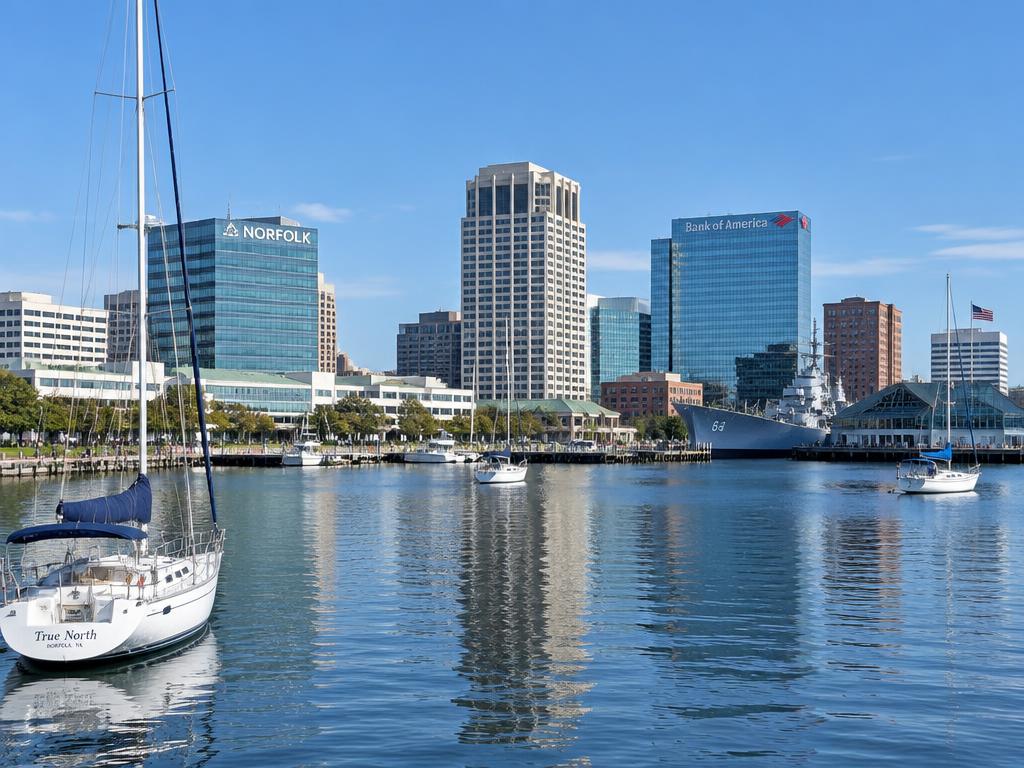
Huntersville sits just north of downtown Norfolk, bordered roughly by Church Street and Elmwood Cemetery to the west, Tidewater Drive to the east, and the Lafayette River to the north [1](https://en.wikipedia.org/wiki/Huntersville,_Norfolk,_Virginia). That puts most of the neighborhood within a few minutes of downtown offices, the medical campuses around Norfolk General, and the interstate on-ramps that lead to the tunnels and the rest of Hampton Roads.
Locally, it's often referred to as Olde Huntersville, and the street grid still reflects how it grew organically over more than a century rather than being laid out by a single developer [1](https://en.wikipedia.org/wiki/Huntersville,_Norfolk,_Virginia). That history is part of the sales pitch, buyers who want a walkable, established neighborhood close to the city core don't have many other options in Norfolk at this price range.
The 1911 annexation that brought Huntersville into the City of Norfolk also shaped much of the surrounding grid, and that century-plus of continuous development is part of why the neighborhood still feels distinct from the newer subdivisions farther out [2](https://www.norfolk.gov/DocumentCenter/View/880/Norfolk-1911-Annexation?bidId=). For sellers, that sense of permanence and history is a genuine asset worth leaning into rather than downplaying in your listing description.
Pricing by Street, Condition and Renovation Level
Because Huntersville's housing stock spans well over a century of construction and renovation history, price per square foot varies more block to block than in a newer neighborhood. I build your comparable set from recently sold homes of similar age, size and, most importantly, condition, rather than relying on a simple radius search.
If your home has original details like restored trim, hardwood floors or a rebuilt front porch, we'll want that documented and highlighted, since it separates your listing from homes that still need that work done. My seller net proceeds tool can help you see how condition and pricing decisions affect your bottom line before we go live.
A Neighborhood of Late-19th and Early-20th Century Homes
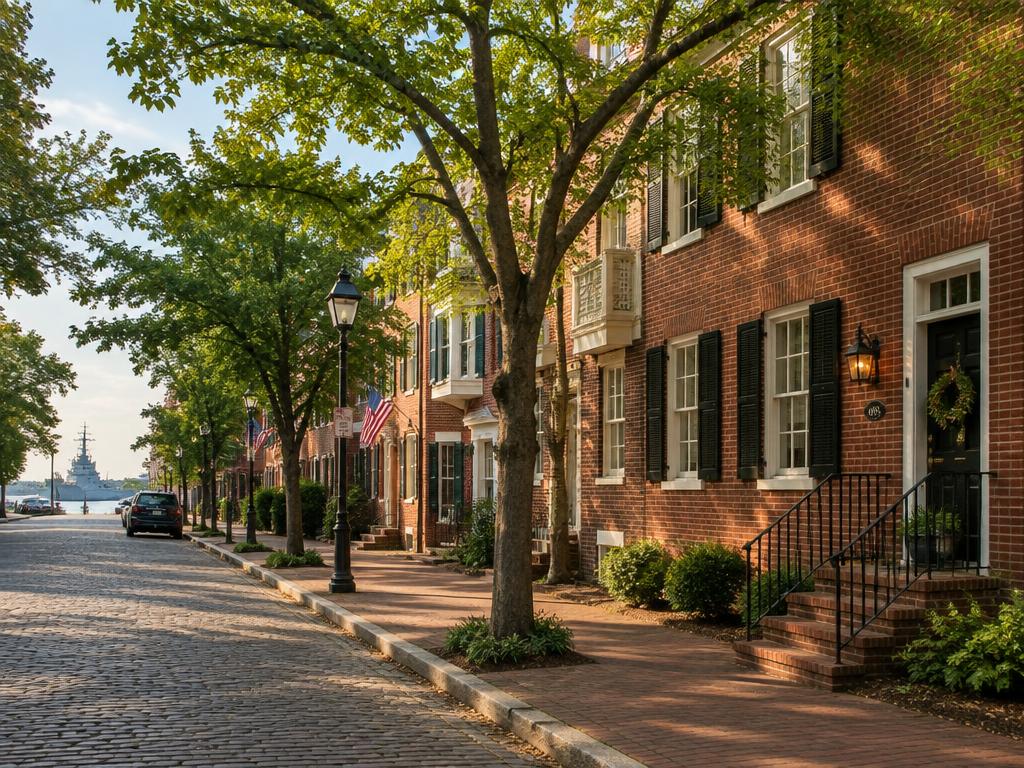
Huntersville is considered one of the most intact late-19th and early-20th century neighborhoods left in Norfolk, with narrow lots, tall windows, gabled rooflines and deep front porches that define the streetscape [3](https://www.norfolk.gov/DocumentCenter/View/29595/Traditional-Neighborhoods-Plan-Book?bidId=). Many residents still refer to older homes by the name of a past owner rather than the street address, which tells you how much history is baked into individual properties here.
Some blocks have seen significant reinvestment, with rehabbed porches, restored millwork and updated systems, while others still have homes waiting for that next round of work. That range is exactly why I build your pricing from the closest comparable sales in condition and renovation level, not a neighborhood-wide average.
Because the housing stock is this old, buyers expect some character quirks: uneven floors, older window sizes, or a foundation that's been shimmed and releveled over the decades. None of that is a problem as long as it's disclosed and priced accordingly.
Investors and renovation buyers tend to focus on homes near Church Street and the edges of the neighborhood where prices are typically more accessible, while blocks closer to the Lafayette River and the more visibly restored streets attract owner-occupants willing to pay for turnkey condition. I'll tell you honestly which category your home falls into so we don't misprice it in either direction.
Preparing an Older Home for the Market
Given the age of most Huntersville homes, buyers and their inspectors will look closely at the roof, electrical system, plumbing and foundation. Addressing any obvious issues, or at minimum getting ahead of them with your own inspection, can prevent a renegotiation after the buyer's inspection.
Cosmetic prep matters too: fresh paint, a clean and stable front porch, and decluttering go a long way in a neighborhood where character and curb appeal are a big part of the sale.
A pre-listing inspection is worth strongly considering here given the age of the housing stock. Knowing about a soft spot on the porch, an aging water heater or an outdated panel before a buyer's inspector finds it gives us the chance to either fix it, price around it, or simply disclose it clearly, which keeps negotiations calmer once you're under contract.
What Makes Your Home Stand Out
Huntersville's marketing story is its location and its history. Being minutes from downtown Norfolk, the medical campuses and the interstate is a real selling point for commuters, and buyers who care about historic character respond to original architectural details, mature trees and the neighborhood's story as one of Norfolk's most significant early Black communities.
I make sure listing photos and descriptions lead with both angles, since different buyers respond to different parts of that story.
I also make a point of highlighting any original architectural detail that survived, transoms, pocket doors, staircases, mantels, since buyers drawn to historic Norfolk neighborhoods actively search for these features and will pay attention to them in photos before they ever schedule a showing.
Required Disclosures for Virginia Sellers
Virginia is a caveat emptor state with specific disclosure requirements. You'll complete the Virginia residential property disclosure statement, and if your home is in a mapped flood zone, that needs to be disclosed as well. Homes built before 1978 also require the federal lead-based paint disclosure, which applies to essentially every home in Huntersville.
I walk every seller through these forms line by line so nothing gets missed and nothing becomes a problem after closing.
If your home has had any foundation work, flooring replacement due to settling, or roof repairs over the years, disclosing that history along with any documentation you have builds buyer confidence rather than raising red flags, especially in a neighborhood where some renovation history is the norm rather than the exception.
Negotiating Repairs on an Older Home
Expect inspection requests here more often than in newer construction, especially around wiring, plumbing age and foundation condition. I go into negotiations with a plan for which items we'll fix, which we'll credit, and which we'll hold firm on, based on comparable sales and your bottom line.
If your buyer is using an FHA or VA loan, certain conditions have to be resolved before closing regardless of what either side prefers, so I flag those early to avoid a last-minute scramble.
For cash and investor buyers specifically, I still negotiate firmly on price and terms even when repair requests aren't part of the conversation, since these buyers often assume a discount is available simply because the home is older. Knowing your comparable sales cold keeps that assumption from costing you money at the negotiating table.
Community, Schools and Everyday Life
Huntersville Park anchors the southern edge of the neighborhood and is a genuine community gathering spot, and the Olde Huntersville Civic League is active in preserving the neighborhood's architecture and character, which buyers researching the area often find reassuring [3](https://www.norfolk.gov/DocumentCenter/View/29595/Traditional-Neighborhoods-Plan-Book?bidId=).
For families weighing schools as part of the decision, I point buyers to my schools guide for Huntersville so they can see zoning and grade spans before writing an offer, which cuts down on last-minute surprises during due diligence.
I also make sure buyers understand Huntersville's significance as one of Norfolk's most important historically Black neighborhoods, since that story is part of what draws buyers who specifically want a home with real history rather than a blank slate.
Day to day, residents rely on Church Street and Tidewater Drive for quick trips to downtown Norfolk, groceries and everyday errands, and the neighborhood's compact footprint means many buyers who work downtown or at one of the medical campuses can genuinely walk or bike to work, which is a real and marketable convenience in this part of the city.
Timing Your Sale
Huntersville doesn't have the seasonal swings of a beach-adjacent neighborhood, but buyer traffic still tends to pick up in spring and slow around the holidays, the same as most of Norfolk. I'll give you a read on current local demand and recent comparable activity before we settle on a list date.
How Huntersville Compares to Nearby Neighborhoods
Buyers considering Huntersville often also look at Lamberts Point or Larchmont for a similar close-in feel with a different price point and housing style. Knowing where your home fits against those alternatives helps me position your listing correctly rather than pricing it in a vacuum.
Buyers also sometimes compare Huntersville with Colonial Place for its walkability, even though the architecture and price points differ. I make sure your listing's marketing speaks directly to what makes Huntersville the right fit for a specific kind of buyer rather than trying to be everything to everyone.
Estimating Your Net Proceeds
Before you list, it's worth running your numbers through my net proceeds calculator and reviewing typical closing costs for sellers in Virginia, so you know what you'll actually walk away with after commissions, taxes and any negotiated repairs. My home seller checklist is a good next step once you're ready to move forward, and if you're selling due to a life change, my downsizing or inherited property pages cover situation-specific guidance.
If you inherited the property or are managing it as a rental before selling, my inherited property and sell rental property pages walk through the extra steps, from title questions to tenant timelines, that those situations usually involve in Huntersville's older housing stock.