Who's Buying in Berkley Right Now
Berkley draws a mix of buyers: renovators and investors chasing older homes with real bones, first-time buyers looking for an affordable close-in location, and a growing number of people who simply want walkable, historic character within a short drive of downtown Norfolk. Some are also military and shipyard employees drawn by the quick commute across the Berkley Bridge and along I-464.
Understanding which of those buyers is most likely to want your specific home, whether it's a move-in-ready Craftsman or a project house priced for a renovator, shapes almost everything else in your sale, from pricing to marketing to how you handle repairs.
I also see interest from buyers who grew up in or near Berkley and want to return to a neighborhood with family or historical ties, as well as buyers relocating for work at the Norfolk Naval Shipyard or downtown employers who value the short commute. Knowing which of these groups is most active when you list helps set expectations for how quickly and at what price your home is likely to move.
It's also common to see multi-generational buyers or extended family purchases in a neighborhood with this much history, where a buyer already has ties to the area through family or church connections. Understanding that emotional dimension, alongside the practical one, often helps us tell the right story about your home to the right audience.
How Berkley Compares to Nearby Neighborhoods
Buyers shopping Berkley are frequently also looking at Campostella and Chesterfield Heights, two other close-in, historically rooted Norfolk neighborhoods with similar era housing stock and price points. Knowing what's active in those markets helps me position your home competitively rather than in a vacuum.
I also keep an eye on how Berkley compares to higher-priced, more established neighborhoods like Ghent, since some buyers priced out of those areas end up touring Berkley as a more affordable alternative with similar historic character. That's a useful angle to highlight for the right buyer.
Pricing by Street, Section and Condition
Because Berkley's housing stock spans several decades and styles, pricing here has to be done house by house rather than with a single neighborhood average. A fully updated Victorian near the historic district core can sell very differently than a similar-sized cottage a few blocks over that needs work.
I pull comps that match your home's era, size and condition as closely as possible, and I factor in proximity to the water, the historic district and any recent renovations on the block. Homes bordering nearby Campostella or Chesterfield Heights sometimes get cross-shopped by the same buyers, so I look at those markets too when setting your price.
If you're not sure what your home might net after fees and payoff, my proceeds estimator is a good starting point before we finalize a listing price.
Homes closer to the water or within the recognized historic district sometimes command a premium for character and architectural detail, even when square footage is similar to a home a few streets over. On the other hand, homes needing significant work typically attract investor interest and price accordingly, so we'll talk honestly about which category your home falls into before we set a number.
Preparing an Older Home for the Market
Older homes benefit from a specific kind of prep. Fresh paint, a clean and dry crawl space, updated light fixtures and simple curb appeal work, like a repainted porch or fresh mulch beds, tend to pay off more here than expensive full renovations.
Buyers touring historic-district homes expect some age-related character, but they don't want to wonder what's hiding behind the walls. Addressing any known moisture, electrical or foundation issues before listing, or at least having documentation on prior repairs, builds buyer confidence and reduces renegotiation after inspection.
Small, visible repairs, a stable front step, working gutters, a tidy yard, tend to reassure buyers more than they cost, especially in a neighborhood where buyers already expect some age-related quirks. If your home has documentation from past repairs, permits or inspections, gather that paperwork now so we can share it with serious buyers and their inspectors later.
I also recommend a pre-listing walk-through with me before any professional inspection happens, so we can flag anything likely to come up and decide together whether to address it now or disclose and price around it.
Decluttering and neutral staging matter here too, since original architectural details show best in an uncluttered room. Simple touches, like clearing porches and refreshing exterior trim paint, help buyers picture themselves in the home rather than getting distracted by your belongings.
Marketing What Makes Berkley Special
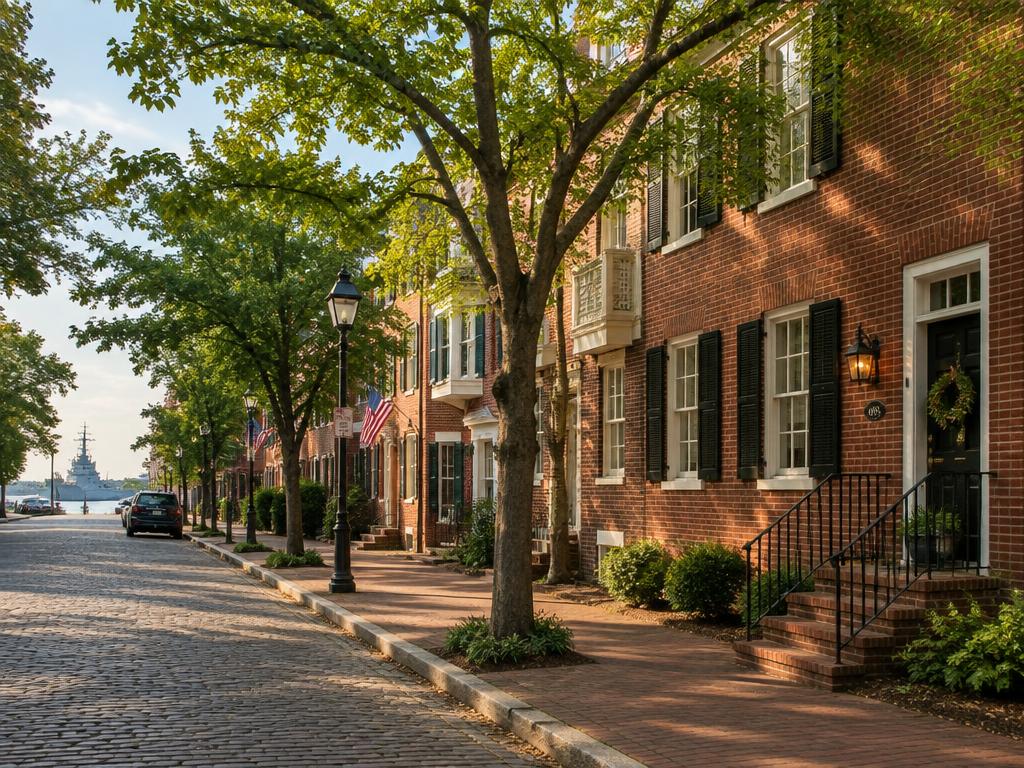
Your listing should lean into Berkley's genuine history and character: original trim, tall windows, mature trees, sidewalks and a real sense of place that newer subdivisions can't replicate. Photos that highlight architectural details and the walkable street grid tend to perform well here.
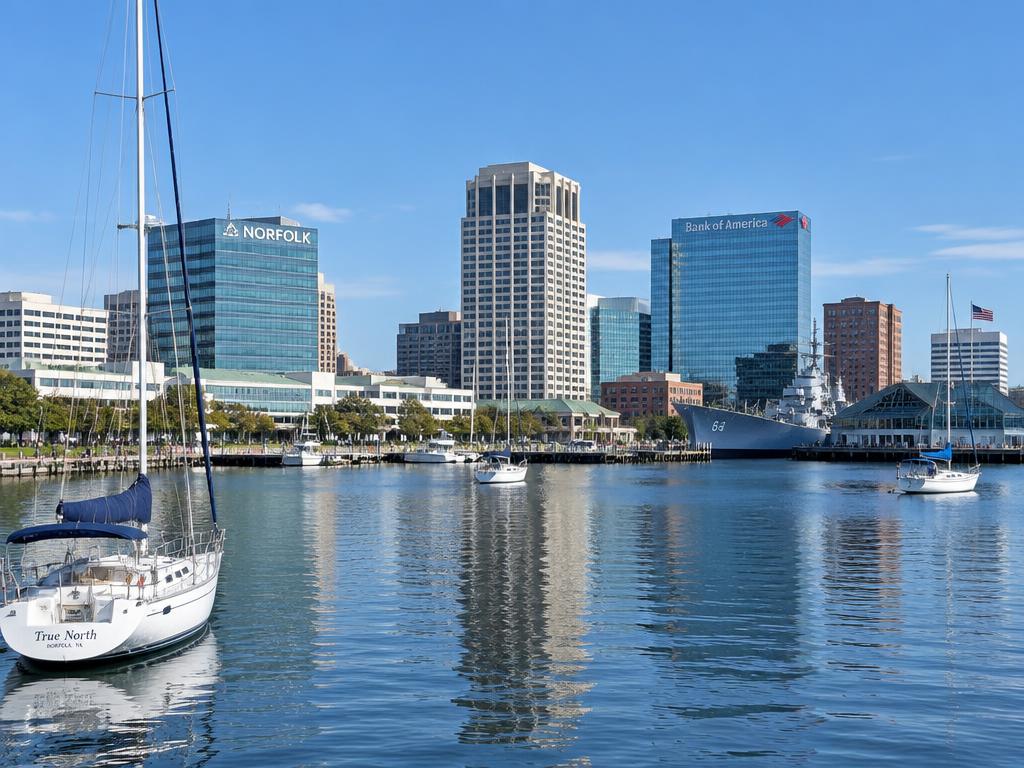
I also make sure buyers understand the commute advantage, quick access to downtown Norfolk and I-464, since that's a real selling point for military, shipyard and downtown-office buyers who are comparing Berkley against pricier close-in neighborhoods.
Because Berkley isn't a neighborhood every buyer already knows, part of my job is educating them: pointing out the historic district designation, the neighborhood's role in Norfolk's shipping and rail history, and the practical advantage of a short commute across the Berkley Bridge into downtown. Buyers who understand that context tend to see more value in your home than buyers who are just scrolling listing photos.
I use professional photography that highlights original woodwork, high ceilings and porch details wherever a home has them, since those features are exactly what set a Berkley listing apart from newer construction elsewhere in the region. If your home has any documented history, prior ownership records, historic district designation or notable architectural features, we'll include that in the listing narrative as well.
Required Disclosures for Virginia Sellers
Virginia law requires sellers to complete the Virginia residential property disclosure statement, which generally shifts the burden to buyers to investigate the property but still requires you to answer specific questions truthfully. Given Berkley's location along the Eastern Branch of the Elizabeth River, flood disclosure is especially important here, so tell me about any past flooding, drainage issues or insurance claims early so we can address them properly.
If your home was built before 1978, federal law also requires a lead-based paint disclosure, which is common across most of Berkley given the age of the housing stock.
I'll walk through every question on the Virginia disclosure form with you line by line, since getting it right protects you from disputes after closing. If you're unsure how to characterize something, like a repair that was done years ago or a minor drainage issue that hasn't recurred, we'll talk through the best way to disclose it accurately rather than guess.
Negotiating Repairs and Terms
Inspections on older Berkley homes commonly turn up items related to electrical systems, foundations, plumbing age and roof condition. I go into negotiations expecting some of these to come up, and I help you decide where it makes sense to offer a credit versus complete a repair yourself.
Buyers financing with VA or FHA loans have specific property condition requirements, so if you're getting early interest from those buyer types, we may want to address certain items proactively to keep the deal from stalling at appraisal.
I've found that sellers who go in expecting some negotiation, rather than treating every inspection request as a personal objection, tend to close faster and with less stress. We'll set a strategy up front for which items you're willing to address, which you'd rather offer a credit for, and where you're comfortable holding firm.
If your buyer is using a VA or FHA loan, I'll also make sure we're proactive about anything those loan types typically flag, like peeling exterior paint or missing handrails, so we're not scrambling to fix minor items at the last minute and risking a delayed closing.
Timing Your Sale
Like most of Hampton Roads, Berkley tends to see more buyer activity in spring and early summer, especially around the military and school-year moving seasons. That said, well-priced, well-presented homes here can sell in any season, especially with a limited supply of updated historic homes.
If you're weighing whether to sell now or wait, my downsizing and relocating pages cover timing considerations specific to those situations.
Inventory of updated, move-in-ready homes in Berkley tends to be limited, which can work in your favor even outside the busiest months if your home is priced and presented well. I'll give you a straightforward read on current buyer activity when we talk about timing your specific listing.
I'll also factor in how quickly comparable Berkley homes have been moving recently and whether buyer interest is trending toward move-in-ready homes or fixer-uppers at the time you're ready to list, since that shifts which improvements are worth making before we go live.
Understanding Your Net Proceeds
Before you list, it helps to have a realistic picture of what you'll walk away with after your mortgage payoff, agent commissions and typical closing costs. My proceeds estimator and home seller checklist will help you get organized before we bring your home to market, and I'm happy to walk through the specific numbers for your property whenever you're ready.
We'll also talk through any repairs or credits you agreed to during negotiations and how those affect your bottom line, so the number you see at closing doesn't come as a surprise. I'd rather walk you through worst-case and best-case scenarios up front than have you guessing.