Who Buys in Ballentine Place
Sellers in Ballentine Place are usually surprised by how varied their buyer pool is. I see first-time buyers drawn in by the price point and the character, investors and renovators looking for a project with good bones, and downsizers who want a smaller, walkable home close to central Norfolk without giving up architectural charm.
Because the neighborhood sits within an easy drive of downtown, the medical center district and ODU, I also see buyers commuting to those areas who simply want a shorter drive than the newer suburbs farther out can offer. Knowing which of these buyers is most likely to want your specific home shapes how I market it, price it and prepare it for showings.
I also see a steady stream of out-of-town buyers relocating for work or military orders who are specifically searching for an older home with character rather than new construction, and Ballentine Place shows up on their radar quickly once they start comparing central Norfolk neighborhoods.
Whichever buyer ultimately makes an offer, most of them are choosing this neighborhood over a comparable newer subdivision specifically because of the character and the price, so leaning into that story throughout the sale process tends to pay off.
Who's Buying and Why It Matters for Your Listing
Because Ballentine Place sits inside a National Register historic district, some buyers specifically seek out this kind of documented, architecturally cohesive neighborhood rather than stumbling onto it, and that's worth knowing when we decide where and how to market your listing. Highlighting the historic district designation itself, not just the individual house, can help attract that buyer.
I also see buyers who work at Sentara Norfolk General or the broader medical center district drawn to the short commute, along with ODU faculty, staff and graduate students who want an established neighborhood within walking distance of campus rather than newer student-oriented housing farther out.
Pricing by Street and Condition
Ballentine Place's mix of home ages and styles means pricing isn't as simple as a per-square-foot number applied evenly across the neighborhood. Homes on and near Ballentine Boulevard and around the park tend to command a premium over comparable homes on the smaller side streets, and updated kitchens, bathrooms and systems can move a home's value meaningfully compared to an original, unrenovated one.
I pull recent comparable sales specific to your block and home style, not just a neighborhood-wide average, because a fully renovated Foursquare and an original 1920s cottage two streets over can sell for very different prices even with similar square footage. My seller net proceeds tool is a good starting point once we've settled on a realistic price range.
I'll also walk you through how recent renovation or lack of it in your specific home compares to what's currently active and pending nearby, so your list price reflects where your home actually sits in that range rather than an average that doesn't apply to your street.
Overpricing an older home here tends to backfire quickly, since buyers comparing several similar listings will notice right away if yours is priced out of line with recent sales on comparable blocks.
Homes closest to Ballentine Park itself, or on the wider, tree-lined stretches of Ballentine Boulevard, often draw extra interest from buyers specifically looking for that classic streetcar-suburb feel, while homes on the district's edges near the Norfolk Southern rail line or bordering Coleman Place and Roberts Park may price a bit differently depending on block-by-block condition.
Preparing an Older Home for the Market
Buyers touring homes in Ballentine Place expect some age-related character, but they still want confidence that the big systems work. Before listing, I recommend having your roof, HVAC, electrical and plumbing recently serviced or at least clearly documented, since buyers financing with VA or FHA loans will have those items scrutinized during inspection and appraisal.
Cosmetically, fresh paint, refinished original hardwood floors, and simple landscaping around the front porch go a long way here, since curb appeal and that classic front-porch presentation are a big part of what draws buyers to this neighborhood in the first place. I'll walk your specific home with you and tell you honestly which projects are worth doing before we list and which ones aren't.
Decluttering and depersonalizing matter more in an older home than a new one, since buyers are trying to picture the bones of the house, not just the furniture. Clearing out excess belongings so original details, moldings, built-ins, and natural light can actually be seen tends to make a real difference in how quickly a home sells here.
Because the historic district includes not just homes but a school building, four churches and the WPA-era park itself, buyers touring here are often comparing your home against a genuinely cohesive streetscape. Keeping exterior paint colors and trim in good repair helps your home read as part of that overall picture rather than standing out for the wrong reasons.
What Makes Your Home Stand Out in Marketing
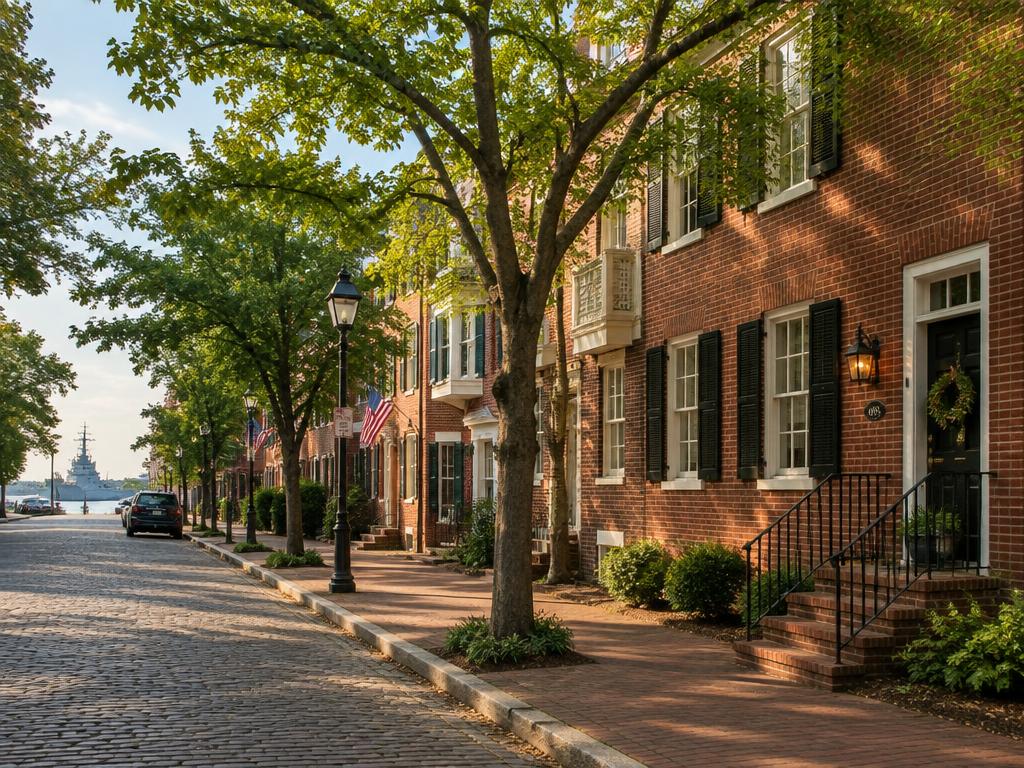
The story of Ballentine Place, its planned streetcar-era layout, the WPA-era park at its center, and the variety of early-20th-century architectural styles, gives me real material to work with in marketing your home. Buyers respond to that history when it's presented well, not just listed as a bullet point.
Original details like hardwood floors, built-ins, transom windows, or a well-preserved front porch deserve to be front and center in photos and in the listing description, since they're exactly what differentiates a home here from newer construction elsewhere in the city.
Professional photography that captures natural light through original windows, the depth of a front porch, and mature landscaping makes a measurable difference in how a listing performs here, and I invest in that for every home I list in this neighborhood.
Ballentine Place was platted in 1909 by the Ballentine Realty Corporation and largely built out between 1915 and 1953, and its central park was landscaped by the Works Progress Administration in the 1930s, complete with a lake, walkways and plantings that still anchor the neighborhood today [1](https://www.dhr.virginia.gov/historic-registers/122-0829/). The district's listing on the National Register of Historic Places in 2003 recognizes homes built in Queen Anne, Craftsman, Colonial Revival, Cape Cod and American Foursquare styles [2](https://en.wikipedia.org/wiki/Ballentine_Place_Historic_District), and that documented pedigree is a genuine selling point worth including in your listing description.
Disclosures Sellers Need to Know
Virginia requires sellers to complete the Residential Property Disclosure statement, which is a general acknowledgment rather than a detailed condition report; it's still important to complete it accurately. If your home is in or near a mapped flood zone, buyers and their lenders will want that addressed clearly, and I'll help you gather the right documentation.
For homes built before 1978, federal law requires a lead-based paint disclosure, which is common in this neighborhood given the construction dates. I walk every seller through exactly what's required so nothing holds up your closing later.
Negotiating Repairs on an Older Home
Inspections on Ballentine Place homes often turn up items typical of homes built in the early-to-mid 1900s: aging wiring, older plumbing, foundation settling, or roof age. None of this should derail a sale, but it does mean going into negotiations expecting some requests for repairs or credits.
I help sellers decide in advance which items are worth addressing proactively versus which are better handled as a negotiated credit at closing, so you don't overspend on repairs a buyer wasn't going to ask about anyway.
Having a pre-listing inspection done before you go on the market can also help you get ahead of major issues, giving you the choice to fix them upfront or price the home to reflect them rather than being surprised mid-contract.
Because so many Ballentine Place homes date to the 1915-1953 building boom, buyers and their inspectors are generally prepared for age-typical findings and rarely expect a home from this era to show like new construction. Framing repair requests around that shared understanding, rather than treating every finding as a deal-breaker, usually leads to smoother negotiations.
Timing Your Sale
Like most of Norfolk, Ballentine Place tends to see more buyer activity in spring and early summer, though well-priced, well-presented homes can move in any season here given consistent demand from first-time buyers and investors. If you're also buying your next home, I'll help you sequence the two transactions so you're not carrying two mortgages or scrambling for temporary housing.
Military PCS season also drives a noticeable wave of buyer activity through this part of Norfolk given the commute to the region's bases, so if your timeline is flexible, that's worth keeping in mind when we set a listing date.
I track absorption rates for this specific neighborhood throughout the year, not just citywide averages, so we can time your listing around when buyer demand for this type of home is strongest.
Because the neighborhood's identity is so tied to its central park and tree canopy, homes tend to show especially well in spring when the WPA-era landscaping and mature trees are at their best, which is worth factoring in if your timeline gives you flexibility on when to list.
Understanding Your Net Proceeds
Before listing, I walk every seller through a realistic net proceeds estimate that accounts for agent commissions, Virginia's typical closing costs, and any repairs or credits we anticipate negotiating. My closing costs guide and net proceeds tool give you real numbers to plan around instead of guesswork.
Comparing Your Options in Nearby Neighborhoods
If you're weighing whether to sell now or wait, or comparing your home's position against nearby markets, my guides to Fairmount Park, Park Place and Huntersville can help you see how pricing and demand compare across central Norfolk. My home seller checklist is a good next step once you're ready to move forward, and I'm happy to walk your home in person before we settle on a price.