Who Buys in Freemason
Freemason draws buyers who want walkable, historic urban living: young professionals working downtown, empty nesters trading a big suburban house for lock-and-leave living, and history lovers who specifically want a home with real architectural pedigree. Investors also watch this neighborhood closely given its proximity to downtown employers and its steady rental demand.
Because the buyer pool here skews more urban than in a neighborhood like Colonial Place, your marketing and staging should lean into what makes Freemason different: history, walkability and water access, not a big backyard or a three-car garage.
Some buyers are also relocating from other cities and specifically searching for a historic, walkable downtown neighborhood, so your listing may reach a wider geographic pool of buyers than a typical suburban Norfolk property would.
First-time buyers are less common here simply because of price point and the condo-heavy inventory, but I do see young professionals stretching to buy a small rowhouse or loft as their first purchase, drawn by the walk-to-work lifestyle.
Empty nesters moving from larger homes in Larchmont or the suburbs make up another steady share of buyers, trading yard work for a doorman-style condo lifestyle within walking distance of restaurants and the waterfront.
Pricing by Block, Building and Condition
Pricing in Freemason varies more than almost anywhere else in Norfolk, because the housing stock spans three centuries of construction in a few compact blocks. A fully restored Federal-period rowhouse near Bute or Botetourt Street commands a different price than a similar-sized home that needs mechanical and structural updates, and a waterfront condo at Freemason Harbour prices differently than a unit in an older converted loft building.
I build your pricing strategy around recent sales in your specific pocket and building type rather than a blanket per-square-foot number for the whole neighborhood, since a two-block difference here can mean a very different buyer and price point.
I also weigh whether a property is inside the core historic district versus in the transitional blocks near the Central Business District, since buyer expectations and appraisal comparables can differ meaningfully between the two.
I also factor in whether recent comparable sales were cash purchases or financed, since financed buyers in older buildings sometimes run into appraisal or lending hurdles that cash buyers don't, which can affect how a comparable sale actually reflects market value.
I'll walk your specific block and building with you and explain exactly which recent sales I'm using as comparables and why, so you understand the reasoning behind the number we land on.
Preparing an Older or Historic Home for Sale
For historic rowhouses, buyers expect some age-related character, but they still want confidence that the big-ticket systems are sound. I recommend addressing any visible foundation, moisture, roof or electrical issues before listing, and having documentation ready for any historic district-approved renovations you've completed.
For condos, a fresh coat of paint, decluttering and, where possible, staging to highlight views of the river or the historic streetscape go a long way. Buyers touring Freemason are often comparing your unit to others in walking distance, so first impressions matter even more than usual.
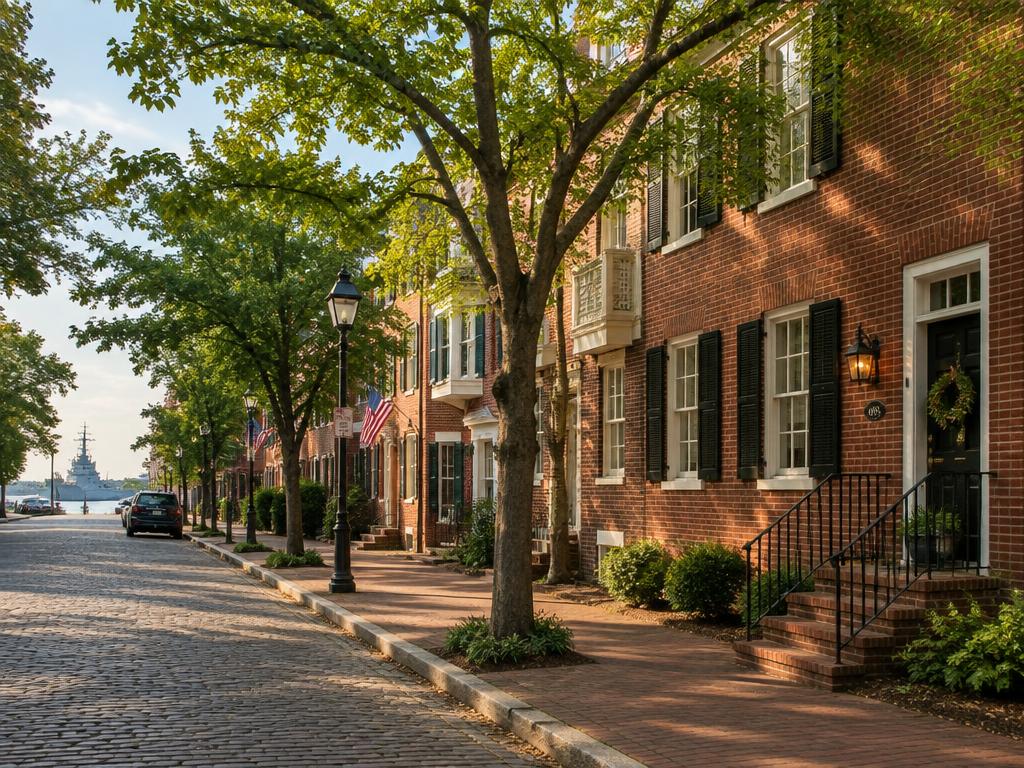
If your home includes original architectural details like millwork, plaster ceilings or heart-pine floors, make sure your photos and listing description highlight them; these are exactly the features that make a Freemason listing stand out from a newer downtown condo.
For condo sellers, check with your HOA about any upcoming exterior or common-area projects, since buyers will ask, and being upfront about the timeline and cost builds trust rather than raising red flags.
A pre-listing inspection is worth considering here more than in most neighborhoods, given the range of construction eras. Knowing about any foundation, roof or systems issues before you list lets you decide whether to address them upfront or price and disclose accordingly, rather than getting surprised mid-contract.
Marketing What Makes Freemason Special
Your marketing should sell the story as much as the square footage: proximity to Town Point Park, Nauticus and MacArthur Center, the cobblestone streets, the three centuries of architecture, and the ability to walk to work for anyone employed downtown. Professional photography that captures architectural detail, natural light and any water or skyline views tends to perform especially well here.
I also make sure your listing calls out flood mitigation, updated systems, or historic tax credit work if you've done any, since serious Freemason buyers do their homework on these details before they ever schedule a showing.
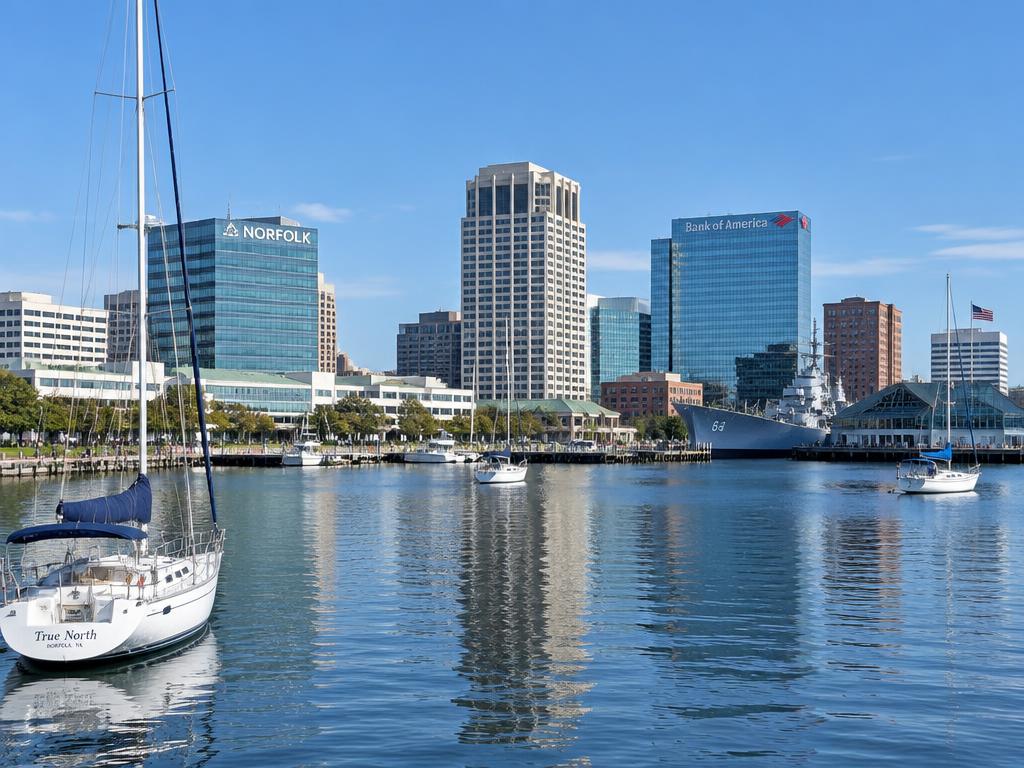
Drone and twilight photography tend to perform especially well for riverfront units, capturing the marina, the downtown skyline and the historic streetscape in a way that daytime interior shots alone can't.
I also make a point of highlighting proximity to employers, since a meaningful share of Freemason buyers are relocating for downtown jobs at hospitals, law firms, financial companies and government offices within walking distance.
A short walking map of nearby restaurants, parks and the waterfront included with your listing materials can help out-of-town buyers, in particular, picture themselves living here before they ever schedule a showing.
Disclosures: Historic Homes and Flood History
Virginia law requires sellers to complete a residential property disclosure statement, and if your home has ever experienced flooding or sits in a mapped flood zone, that needs to be disclosed as well. I walk every Freemason seller through this in plain language so there are no surprises during negotiations.
If your home is within the historic district, be ready to share any prior approvals for exterior work, since buyers and their agents often ask. For condo sellers, your HOA resale disclosure packet, including reserve fund status and any pending special assessments, is required reading for buyers and should be ready to go before you list.
If you've had any insurance claims related to water intrusion or storm damage, be prepared to discuss them candidly. Buyers in this market tend to be well-informed about flood risk along the Elizabeth River, and transparency upfront avoids bigger problems during inspection negotiations.
I also recommend gathering any permits or historic district approval letters for past renovations ahead of time, since buyers and their attorneys often request this paperwork during due diligence, and having it ready keeps your transaction moving.
Negotiating in a Niche Market
Because Freemason is such a small, distinct market, negotiations often come down to condition and documentation more than price alone. Buyers who love historic homes will pay for one that's been properly maintained and are far more cautious about one with deferred maintenance or unclear renovation history.
I negotiate accordingly, using recent comparable sales specific to your block or building and being upfront about any known issues so we don't lose a strong offer over something that surfaces late in inspection.
Appraisals can also be a sticking point in a neighborhood with such varied property types, so I stay closely involved through that process, providing the appraiser with the most relevant comparable sales for your specific building or block.
Because Freemason buyers tend to be well-researched, I find that transparency early in the process, sharing inspection reports, HOA documents and disclosures proactively, often leads to smoother negotiations than holding information back until it's requested.
Timing Your Sale
Freemason's inventory is limited, so well-prepared listings here tend to generate steady interest across most of the year, though spring and early fall typically bring out the most buyers citywide. Downtown events, cruise season at the port, and nearby festivals can also draw extra foot traffic past your listing during showings, which is worth factoring into your timeline.
I'll help you weigh your personal timeline against current buyer activity so we list when it makes the most sense for you, not just when the calendar says to.
I also track how quickly comparable Freemason listings have moved recently before we set your launch date, since a niche market like this doesn't always follow the same seasonal patterns as Norfolk's larger suburban neighborhoods.
Weekday evening and weekend showings tend to work best here, since many buyers touring Freemason are still working full-time downtown and want to see a property before or after their own commute.
If you're on a tighter timeline, I'll be upfront about how that might affect pricing strategy so we set expectations correctly from day one.
Estimating Your Net Proceeds
Before you list, it helps to get a realistic picture of what you'll walk away with after commissions, closing costs and any repairs negotiated during the process. My closing costs guide breaks down what Virginia sellers typically pay, and my seller net proceeds tool gives you a working estimate.
My home seller checklist is a good next step for organizing documents, from your HOA packet to any historic district approvals, before we go live.
Condo sellers should also budget for any HOA resale certificate fees and prorated dues at closing, which vary by association and are worth confirming with your management company early in the process.
If You're Selling Under Special Circumstances
Freemason sees its share of inherited historic properties, estate sales and downsizing moves given the age of the housing stock and the number of longtime owners. If that's your situation, my guides on inherited property and downsizing walk through the specific steps and tax considerations involved.
Whatever your situation, I'll build a plan around your timeline and the realities of this small, distinctive market rather than a one-size-fits-all approach. Compare notes with my guides to selling in Ghent if you're also weighing a move within downtown.
Divorce sales and pre-foreclosure situations come up here as well, and I approach both with discretion and a clear timeline. My guides on divorce and pre-foreclosure situations outline how I can help.