VA Loans and New Homes Can Work Well Together
Many military families moving to Hampton Roads like the idea of a brand-new home: no surprise repairs, modern systems and a warranty while you settle in. And many want to use their VA home loan benefit. The good news is that the two often work together, as long as you plan for a few extra steps.
This guide covers how VA financing fits with new construction, how builder incentives and preferred lenders interact with it, what to know about appraisals and warranties, and how to time a build around PCS orders. VA rules change and lenders apply them differently, so confirm current requirements with a VA-approved lender.
For the general process of buying from a builder, see Should I Buy New Construction in Hampton Roads?. For VA basics, start with my VA loans in Hampton Roads guide.
How VA Financing Fits With a New Build
A VA loan can generally be used to buy a newly built home, including one that's completed or under construction, as long as the home meets VA's requirements and you intend to live in it as your primary residence. Lenders usually close the loan when the home is finished.
Not every builder or community is set up the same way for VA buyers, so ask early whether the builder regularly works with VA financing. Your lender can tell you what documents the builder will need to provide.
If you're comparing VA with other options, my VA loan vs. FHA loan and conventional loans guides explain the differences in general terms.
Builder Incentives and Preferred Lenders
Builders often offer incentives like closing cost help or rate buydowns when you use their preferred lender. Many preferred lenders handle VA loans, and the incentive may be worth it. Still, compare a loan estimate from the builder's lender with one from at least one other VA lender, looking at rate, fees and total cost.
VA has its own rules about which costs a veteran can pay and how much a seller or builder can contribute toward certain costs. Your lender will confirm what's allowed for your loan, so ask before counting on any incentive.
Get every incentive in writing in the contract, and ask what happens to it if you choose a different lender. My guide on buying when interest rates are uncertain explains how buydowns work, and the mortgage calculator helps you compare payments.
VA Appraisals on New Construction
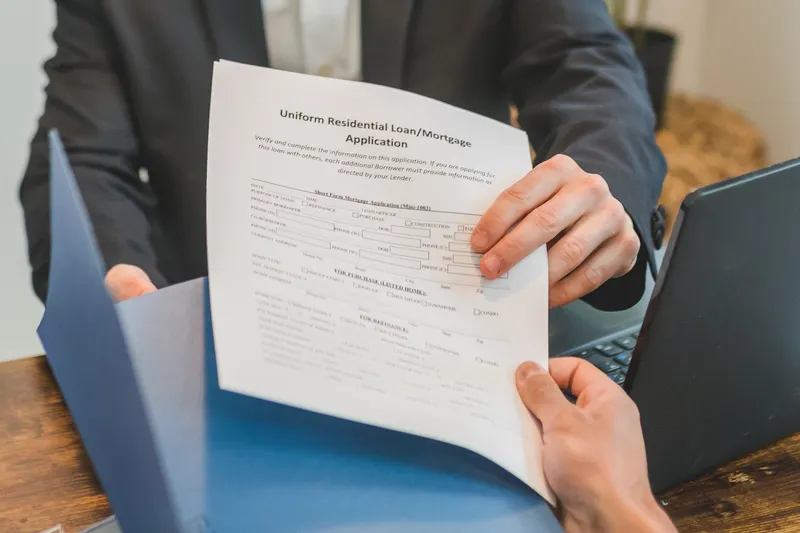
A VA loan requires a VA appraisal. It estimates the home's value and checks that the home meets VA's minimum property requirements, which focus on the home being safe, sound and sanitary. A brand-new home usually has an easier time with those requirements, but the value side still matters.
As with any new build, an appraisal can come in below the contract price, especially in a new community with few closed sales or when the price includes a lot of upgrades. Ask how your contract handles a low appraisal and talk with your lender about VA's process for questioning a value.
I go deeper on why new builds can appraise differently in Does New Construction Build Equity?.
Warranties and Inspections Still Matter
A VA appraisal is not a home inspection. It doesn't replace an independent inspector working for you. I recommend inspections before drywall and before closing, and another before the builder's workmanship warranty runs out.
Builder warranty terms vary, and they're set by the builder, not by VA. Read them before you sign, and keep records of every request in writing. My guide to new construction warranties explains how to use them, and how to vet a home builder helps you choose one that stands behind its work.
If you might be deployed during the warranty period, decide ahead of time who will report issues and meet contractors at the house.
Timing a Build Around PCS Orders
This is the part I spend the most time on with military buyers. A home that hasn't been built yet can take months, and dates can slip. If you're arriving on orders with a firm report date, think about where you'll live if closing is delayed, and how a delay affects your housing allowance, temporary lodging and storage.
Homes that are already finished or close to finished, often called quick move-in or inventory homes, can fit PCS timelines much better than a home you build from scratch. Ask the builder what's available and how firm the completion date is.
Also remember VA's occupancy expectations. Generally, you need to intend to live in the home within a reasonable time after closing, and your lender can explain how that applies to your situation, including if you'll be deployed.
Moving Here From Another Base
Many of my military buyers start their search from another duty station. Live video tours, remote document signing where allowed, and a lender who knows VA can make buying from a distance much easier. My PCS & military moves page explains how I help, and PCS to Hampton Roads collects guides for families coming from bases like San Diego, Mayport and Pearl Harbor.
Newer homes near the bases are in areas like Grassfield, Hickory, Edinburgh, Princess Anne, Red Mill Farm, Dam Neck and Fairwood Homes. Commute to your command matters a lot, so I'll help you compare drive times before you choose a community.
If you're unsure whether to buy at all on this tour, read renting vs. buying and the pros and cons of new construction.
Let's Plan Your VA New-Construction Purchase
I'll help you line up a VA lender, compare builder incentives, plan inspections and match a completion date to your report date. My home buyer checklist keeps every step in front of you, wherever you're moving from.
When you're ready to talk it through, reach out to me directly, or read how I work as your Hampton Roads buyer's agent so you know exactly what to expect from the first call through closing day.
This article is general information, not legal or financial advice. Check current rates, programs, warranty terms and loan rules with a licensed lender, attorney or the builder in writing before you make a decision.
Related articles
VA Loans in Hampton Roads: A First-Time Buyer's Guide
Zero down, no PMI and flexible credit — here's how VA loans work for military buyers in Hampton Roads.
Read more →
Conventional Loans Explained for First-Time Buyers
No mandatory mortgage insurance premium and often lower long-term costs — here's when a conventional loan makes sense.
Read more →
Buying a Home When Interest Rates Are Uncertain: What You Can Control
Rate buydowns, seller concessions, refinancing later and the parts of a home purchase you can actually control when interest rates are hard to predict.
Read more →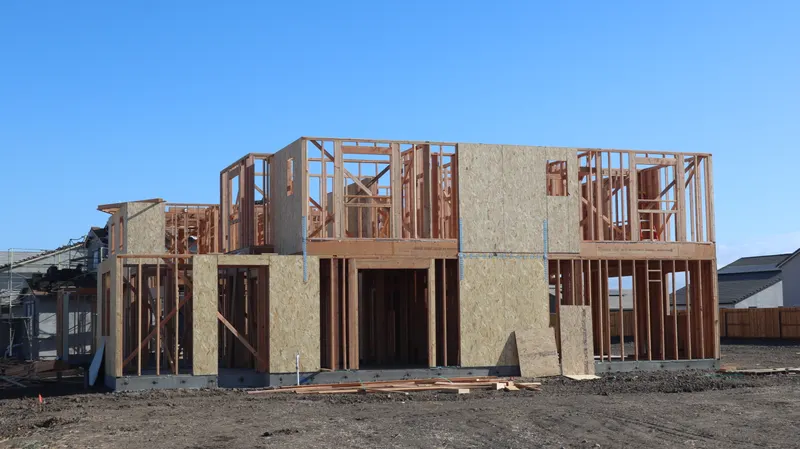
Should I Buy New Construction in Hampton Roads? A Buyer's Guide
Builder incentives, preferred lenders, why to bring your own agent to the sales office, independent inspections, HOAs and flood and drainage questions on new builds.
Read more →
Renting vs. Buying in Hampton Roads: How to Decide
The real costs of renting and owning, how long you plan to stay, military considerations and the questions that help you decide which makes sense right now.
Read more →
VA Loan vs. FHA Loan in Hampton Roads: Which Is Right for You?
Down payments, mortgage insurance, funding fees, property requirements and PCS considerations, compared side by side for Hampton Roads buyers.
Read more →