Why Buyers Fall for Freemason
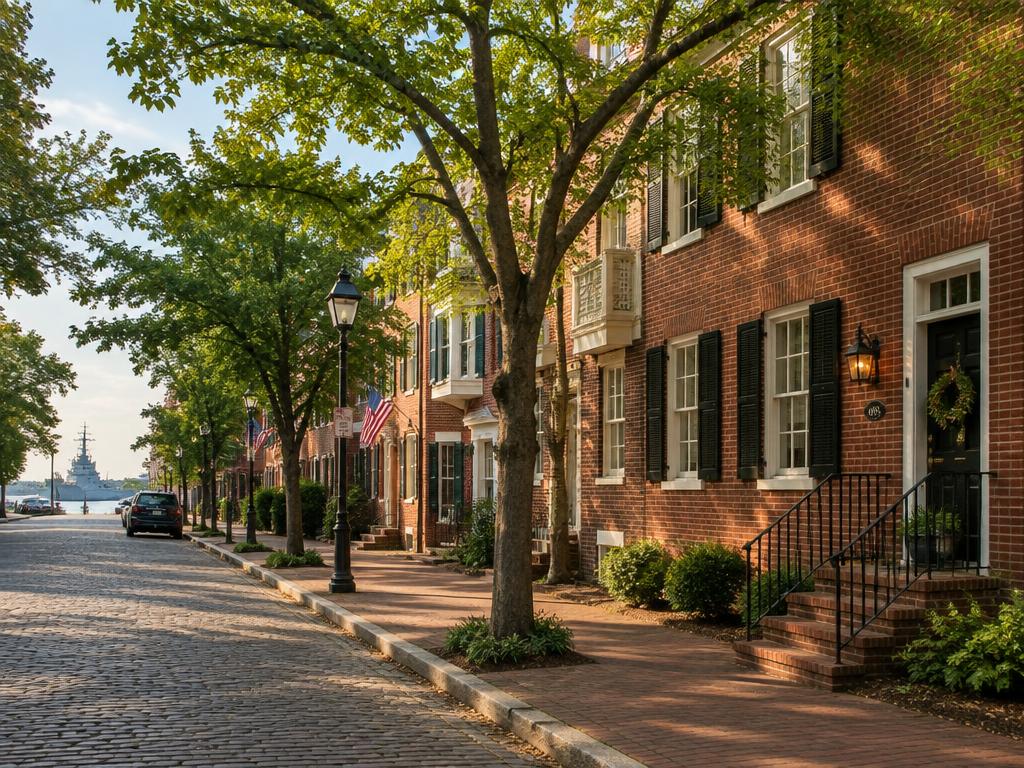
Freemason is Norfolk's oldest standing neighborhood, tucked along the Elizabeth River just west of downtown's office towers, and it draws a buyer who wants history and walkability more than a big yard. Cobblestone streets, gaslamp-style lighting, mature trees and a genuine mix of architecture from three different centuries make it feel unlike anywhere else in the city.
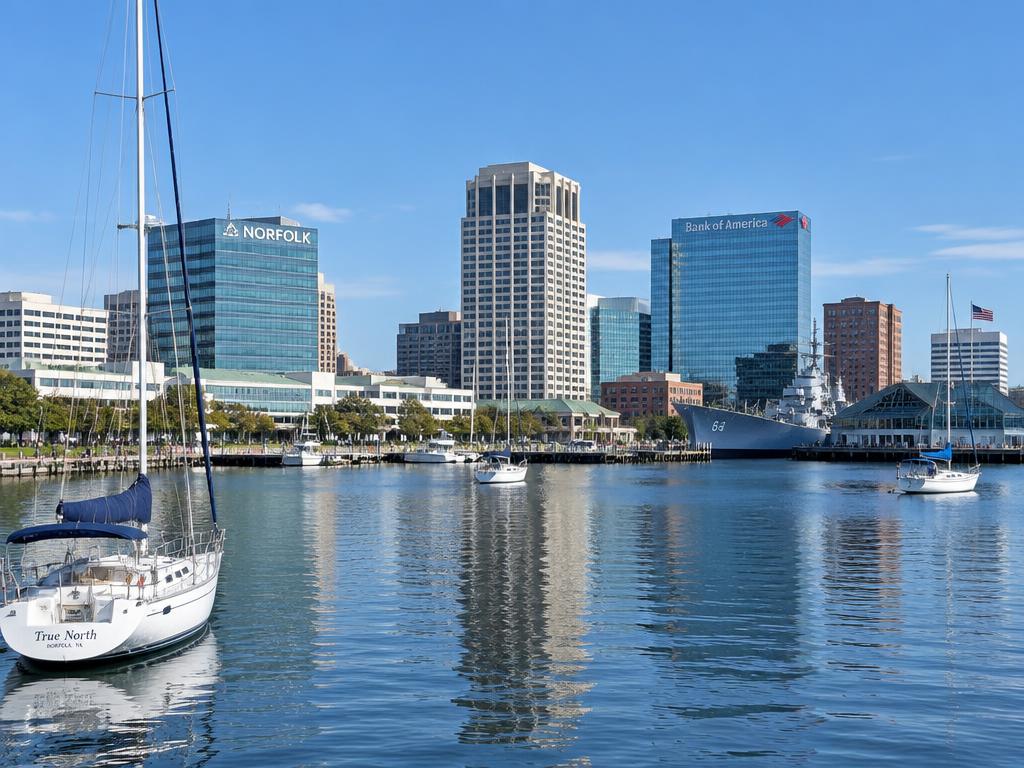
It's also one of the few places in Hampton Roads where you can walk out your front door to Town Point Park, Nauticus, MacArthur Center and a full lineup of restaurants without ever getting in the car. Compared to nearby Ghent or Colonial Place, Freemason skews more urban and more condo-heavy, with a denser mix of historic rowhouses, converted lofts and newer waterfront buildings.
This guide covers the streets and pockets, the housing stock, commutes, flood exposure, HOAs, schools, financing and how to put together a competitive offer here. For the bigger picture of the city, see my Norfolk overview.
I show this neighborhood to a lot of different buyers, from young professionals who want to walk to work downtown to retirees looking to trade a big suburban lot for lock-and-leave living. Freemason tends to fit anyone who values character and location over square footage.
Because the neighborhood is small and built out, there's no new construction competing for attention, which means every listing here has its own personality shaped by decades or centuries of use. That's a big part of why buyers who tour Freemason once tend to keep coming back to it even after looking at newer options elsewhere in the city.
It also helps to know upfront that Freemason isn't a place to shop for a starter home with a yard for kids or dogs; it's a place people choose deliberately for lifestyle. Understanding that going in saves everyone time when we're narrowing down listings.
A Neighborhood With Three Centuries of History
Freemason was one of Norfolk's first neighborhoods outside the original colonial boundary, and it grew into the city's most prestigious residential address from the 1700s through the early 1900s [1](https://www.dhr.virginia.gov/historic-registers/122-0060/). It was listed on the Virginia Landmarks Register in 1971 and the National Register of Historic Places in 1972, and it's one of the only parts of downtown Norfolk that escaped the wholesale clearance that reshaped so much of the city in the 1960s [1](https://www.dhr.virginia.gov/historic-registers/122-0060/).
That history is why you'll see a genuine architectural timeline as you walk the blocks: Federal-period townhomes, Greek Revival and Georgian Revival mansions, and Victorian rowhouses sitting a few doors down from turn-of-the-century warehouses now converted into loft condos and brand-new waterfront buildings [1](https://www.dhr.virginia.gov/historic-registers/122-0060/).
I like walking new buyers through this history before we tour, because it explains why pricing, condition and renovation quality can vary so much from one building to the next, even on the same block.
Landmarks like the Allmand-Archer House, the Federal-period Taylor-Whittle House, the Greek Revival Kenmure, and the Georgian Revival Roper House are individually listed on the National Register, and they anchor a streetscape that still feels remarkably intact despite sitting minutes from downtown's office towers [1](https://www.dhr.virginia.gov/historic-registers/122-0060/).
A 2024 update to the historic district's National Register documentation reaffirmed the significance of the area across architecture, military, social and urban planning history, which tells you the preservation effort here is active and ongoing, not just a plaque on a wall [4](http://www.norfolk.gov/DocumentCenter/View/100953/122-0060_West_Freemason_Street_Area_HD_2024_Update_NRHP_FINAL).
West Freemason, Bute Street and the Historic Core
The heart of the neighborhood, sometimes called the West Freemason Street Area Historic District, centers on streets like Bute, Duke, Botetourt, Dunmore and Yarmouth [1](https://www.dhr.virginia.gov/historic-registers/122-0060/). This is where you'll find the neighborhood's most architecturally significant homes, tree-shaded and stone-paved, with a quiet, dignified feel that's rare this close to a downtown core.
Buyers drawn to this pocket usually want the full old-Norfolk experience: brick sidewalks, wrought iron, deep window trim and homes with real documented history. Because so many of these properties are protected under historic district guidelines, exterior changes and renovations typically go through additional review, so ask early about any restrictions before you fall in love with a fixer-upper.
A few blocks east toward the water, the mix shifts toward converted lofts and newer condo buildings, which gives buyers a choice between owning a piece of preserved history or a low-maintenance modern unit inside the same historic footprint.
Along the eastern edge of the district, streets transition toward the Granby District and the Central Business District, giving buyers a taste of both worlds within a five-minute walk: quiet, tree-shaded residential blocks on one side and downtown's restaurants and offices on the other.
Riverfront Living: Condos, Lofts and Freemason Harbour
Freemason's waterfront edge along the Elizabeth River is one of its biggest draws, and it's home to condo communities like Freemason Harbour, built in the mid-1980s with marina views and easy walking access to Town Point Park and Nauticus. Converted warehouse lofts throughout the neighborhood offer soaring ceilings and exposed brick for buyers who want that industrial-meets-historic look.
If a water view or marina access matters to you, tell me up front, since those units turn over less often and tend to move quickly. I'll also want to look closely at each condo association's reserve study and any planned assessments before you write an offer, which I cover more in the HOA section below.
Commutes: Downtown, the Tunnels and the Bases
Freemason's location is hard to beat for anyone who works downtown. You can walk to most Norfolk office buildings, the courts and MacArthur Center, and drivers have quick access to I-264 and the Downtown and Midtown Tunnels toward Portsmouth. Naval Station Norfolk and Norfolk Naval Shipyard are both a manageable drive from here, which makes Freemason a popular choice for military and government commuters who want a short, tunnel-free option to downtown offices.
If you're relocating from out of town or coming off orders, drive the actual route at the time of day you'd commute before committing to a unit. My relocating page and PCS/military page walk through how I support buyers moving to Hampton Roads.
For anyone who splits time between Norfolk and Portsmouth, the Downtown and Midtown Tunnels put you on the other side of the Elizabeth River in minutes, and Freemason's position west of the Central Business District means you can often reach either tunnel without touching the worst of downtown's daily congestion.
Norfolk International Airport is also a reasonably short drive for a downtown neighborhood, which matters if you travel often for work or simply want an easier trip home from a flight.
Flood Zones and Water Considerations
Because Freemason sits directly on the Elizabeth River, flood risk is something I check for every single listing here rather than assume one way or the other. Some blocks and lower-lying condo garages fall within FEMA flood zones, while streets just a block or two inland sit on higher ground.
I pull the FEMA flood map for the specific address before we write an offer, and for condos I ask directly whether the building carries flood insurance as part of its master policy and how storm surge or nuisance flooding has been handled historically. If your unit requires a separate flood policy, that changes your real monthly payment, so run the numbers in my mortgage calculator before you get attached to a place.
During any inspection here, I ask specifically about the building's or home's history with storm surge events like nor'easters and tropical systems, since Freemason's riverfront location means it has seen its share of them over the decades. A clean track record and functioning flood mitigation, like elevated mechanicals or sump systems, are worth confirming rather than assuming.
HOAs and Condo Fees
Most of what's for sale in Freemason is either a condo with a monthly HOA fee or a rowhouse with membership in the Freemason Street Area Association, the neighborhood's active civic league. For condos, I always request the HOA's financials, meeting minutes and any pending special assessments so you know what you're actually signing up for beyond the sticker price.
Historic rowhouses and townhomes sometimes carry their own maintenance obligations tied to shared walls, alleys or courtyards, so I read those documents carefully with you rather than skimming them at closing.
It's also worth asking whether a building has any pending litigation, insurance claims or deferred maintenance items, since these can affect both your monthly costs and your ability to finance the purchase. I request these documents as part of every condo contract I write in this neighborhood.
Schools
Freemason falls within Norfolk Public Schools, and downtown addresses have historically been zoned toward schools like W.H. Taylor Elementary, with middle and high school options that can shift with redistricting [5](https://virginia.hometownlocator.com/schools/sorted-by-county,n,norfolk%20city.cfm). Because boundaries in this part of the city are being actively reviewed, always confirm zoning for a specific address with Norfolk Public Schools before you buy. I go into more detail on the schools serving this area in my Freemason schools guide.
Everyday Life in Freemason
Living in Freemason means trading a car-dependent routine for a walkable one. Grocery runs, coffee, dinner out and a stroll along the river are all within easy reach, and many residents tell me they use their cars far less here than anywhere else they've lived in Hampton Roads.
Town Point Park hosts festivals and events throughout the year, Nauticus and the battleship Wisconsin sit just along the waterfront, and MacArthur Center gives you shopping options a short walk away. For buyers coming from a more suburban lifestyle, it's worth spending an evening or weekend walking the neighborhood before you commit, since the pace and rhythm here is genuinely different from anywhere else in the city.
Parking is one practical detail to sort out early: some historic homes have private off-street parking or a garage, while others rely on street parking or a dedicated condo garage spot. I always confirm parking arrangements before we write an offer so there are no surprises after closing.
Financing an Urban or Historic Home
Financing here isn't dramatically different from anywhere else in Norfolk, but condos add an extra layer since lenders review the building's finances, insurance and owner-occupancy rate as part of underwriting. Buyers using conventional loans should ask early whether a particular building is warrantable; VA and FHA buyers should confirm the community is approved for their loan type.
For a rundown of loan types, see my guides on VA loans, FHA loans and conventional financing. My home buyer checklist is a good next step once you're ready to start touring.
Older homes and converted lofts can also raise questions during appraisal, since comparable sales are sometimes scarce for unusual property types. I work with lenders and appraisers who are familiar with Freemason's mix of historic and non-traditional properties so financing doesn't stall over a lack of comparables.
Whatever loan program you're using, get pre-approved before you start touring in Freemason. Inventory is thin enough that sellers and their agents want to see you're ready to move the moment the right unit comes on the market.
Writing a Competitive Offer
Freemason's inventory is limited by nature; it's a small, historic footprint with no room to build new subdivisions, so well-priced, well-maintained homes and condos tend to move quickly. I help you get pre-approved, review comparable sales specific to this pocket of downtown, and move fast once we find the right unit.
Because so many properties here are older or historic, I also build inspection contingencies around the specific risks of century-old construction and waterfront exposure rather than a generic checklist. If you're weighing Freemason against other close-in options, my guides to Ghent and Chesterfield Heights are worth a look for comparison.
I also encourage buyers to think a few years ahead here: a well-maintained historic home or a well-run condo building in Freemason tends to hold its appeal because the supply of comparable properties simply can't expand. That scarcity is worth factoring into how aggressively you negotiate on a property you genuinely want.