Why Buyers Keep Discovering Fairmount Park
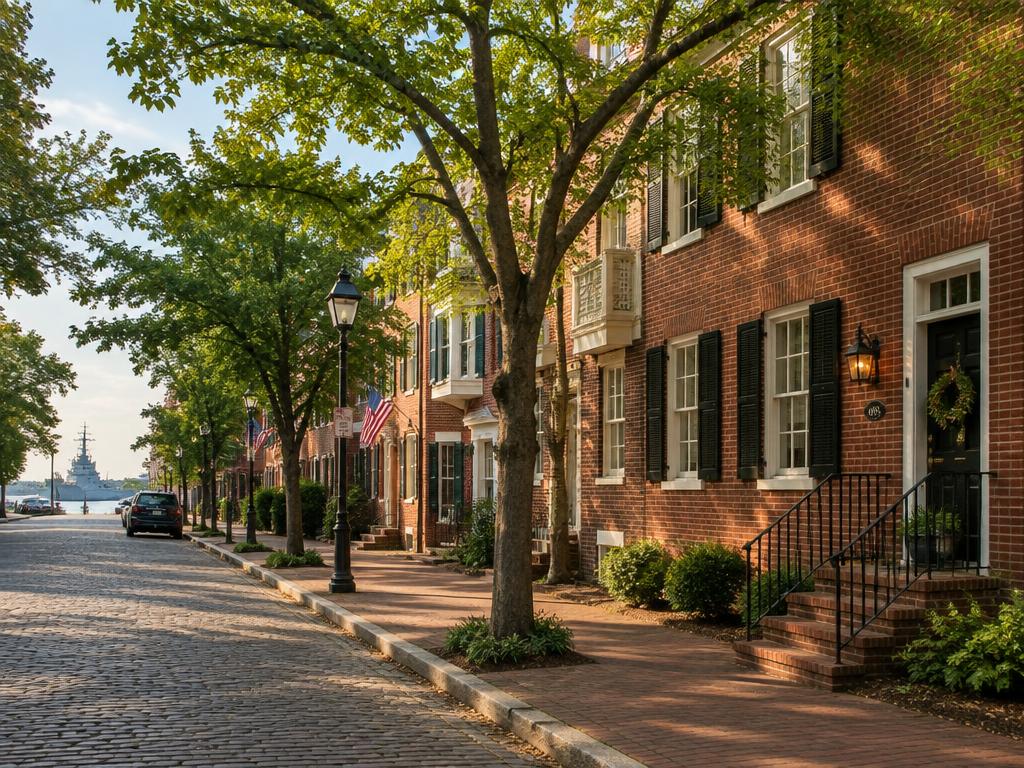
Fairmount Park sits east of the Lafayette River, tucked between Tidewater Drive and Chesapeake Boulevard, and it's one of the more affordable ways to buy into central Norfolk without giving up a real neighborhood feel. Tree-lined streets, front porches and a mix of architectural styles give it more character than a lot of buyers expect the first time they drive through.
The name actually covers more ground than people realize. Fairmount Park is really nine smaller neighborhoods bundled together, including Willard Park, Lafayette Annex, Fairmount Manor, Lafayette Manor, Lafayette Terrace, Belmont Place, Bell's Farm and Kent Park, all represented by one of the largest civic leagues in the city. That kind of organized, engaged community is a real asset when you're deciding where to put down roots.
Compared to the higher price points you'll find closer to the water in Colonial Place or Larchmont, Fairmount Park gives buyers a lower entry point into a similar era of Norfolk home, which is exactly why I see so many first-time buyers and investors touring here.
This guide covers the housing stock, the corridors that shape daily life, commute times, flood considerations, financing and how to put together a competitive offer. For the bigger picture on the city, see my Norfolk overview.
I also find Fairmount Park attracts a lot of buyers who grew up in Norfolk and want to stay close to family without stretching their budget, along with newcomers who did their research and realized this neighborhood offers more square footage and character per dollar than similarly priced areas elsewhere in Hampton Roads.
If you're weighing Fairmount Park against a first purchase anywhere else in the city, my first-time buyers page is a good place to start thinking through priorities like commute, school zone and renovation appetite before we tour.
A Neighborhood Built on Community Organizing
Fairmount Park's civic league represents more than 2,300 households, making it one of the most active neighborhood organizations in Norfolk, and that engagement shows up in ongoing city revitalization work, from rebuilt streets to updated water lines.
For buyers, an active civic league is worth paying attention to beyond the social benefits. It usually means someone is watching zoning changes, pushing the city on infrastructure and organizing events that actually bring neighbors together, which matters in a neighborhood built from several smaller, older subdivisions rather than one master-planned development.
I encourage buyers to look up the civic league before touring, since it's a quick way to get a feel for how connected a block really is beyond what you can see from the curb.
I've worked with buyers who chose Fairmount Park specifically because the civic league's presence gave them confidence the neighborhood would keep improving rather than stagnate, and so far that bet has paid off as the city has continued investing in the area.
Housing Stock: Bungalows, Foursquares and Postwar Cottages
Most of Fairmount Park's homes date to the 1940s through the 1960s, with a real mix of styles worked in along the way, including arts and crafts bungalows, Victorian farmhouses, American Foursquares, European Romantic-influenced homes and the low, wide Norfolk coastal cottage you'll see all over this part of the city.
That variety means no two blocks look quite alike. Some streets have larger two-story homes with deep front porches, while others are lined with modest one-story ranches and cottages on smaller lots. It's worth touring a few different pockets before deciding which style and lot size actually fits how you want to live.
Because many of these homes are 60 to 80 years old, expect original hardwood floors and real architectural detail alongside outdated systems in homes that haven't been updated. I always want a full inspection here, not a quick walkthrough, since age alone doesn't tell you the condition of the roof, wiring or plumbing.
Lot sizes vary quite a bit too. Some of the older sections have generous yards with mature trees, while pockets built later in the mid-century boom tend to sit on smaller, more efficient lots. If outdoor space matters to you, walk a few different streets before settling on a favorite.
Tidewater Drive, Chesapeake Boulevard and the Corridors That Shape the Area
Fairmount Park is bordered by two of Norfolk's busier corridors, Tidewater Drive and Chesapeake Boulevard, with Lafayette Boulevard and Cromwell Drive running through as well. Commercial businesses are scattered along these roads, while the interior streets stay quiet and residential.
Because grocery stores and larger retail sit along these corridors rather than within walking distance of most homes, this is a car-dependent neighborhood day to day. If walkability to shops is a top priority, it's worth comparing this to more mixed-use pockets of Ghent.
The upside of bordering these corridors is quick access in and out of the neighborhood, whether you're headed downtown, out toward the interstate, or across town for work.
That said, being close to these corridors also means quick trips to everyday errands, gas stations, pharmacies and fast-casual dining without having to drive across town, which is a real convenience even if it's not walkable in the traditional sense.
Traffic on Tidewater Drive can back up during peak commute hours, so if you work downtown or across the water, it's worth timing a test drive during the actual rush hour before you commit to a specific block.
Everyday Life: Shoop Park and a Growing Neighborhood
Shoop Park is the neighborhood's main green space, a five-acre park with basketball courts, a playground, a splash park, picnic shelters, a volleyball court and a walking and running trail with exercise stations. It's a real gathering spot and one of the best amenities in the neighborhood for families.
The City of Norfolk has also put revitalization dollars into Fairmount Park in recent years, including street rebuilding and water line upgrades, and values have been trending up as a result. Buyers who want to get into an appreciating, centrally located neighborhood before it catches up to nearby areas often land here.
Day to day, expect a quiet, residential feel with a genuine sense of community, roughly three miles from downtown Norfolk.
I always recommend buyers visit Shoop Park in person during their home search. Seeing families out using the splash park or the walking trail on a weekend tells you more about the neighborhood's day-to-day energy than any listing photo ever could.
Commutes: Downtown Norfolk, I-64 and the Naval Bases
Fairmount Park's central location is one of its biggest selling points for commuters. You're a short drive from downtown Norfolk, with reasonably quick access to I-64 for trips toward Naval Station Norfolk, Norfolk International Airport or across the water toward Hampton and the Peninsula.
Military families and shipyard workers frequently choose this part of Norfolk specifically to cut commute times without paying the premium of a waterfront address. If you're relocating for orders or a new job, I always recommend driving your actual commute at the time of day you'll make it before writing an offer.
My relocating page and PCS/military page cover how I help buyers moving to Hampton Roads from out of town or off orders.
Because Fairmount Park sits fairly centrally within Norfolk, commute times to Naval Station Norfolk, Norfolk Naval Shipyard across the water, or Chesapeake and Virginia Beach job centers tend to be reasonable most times of day, though I always suggest testing rush hour before committing to a specific block.
Flood Zones and Water Considerations
Fairmount Park sits east of the Lafayette River, and while it isn't a low-lying waterfront neighborhood the way parts of Norfolk are, some streets and blocks can still fall within FEMA flood zones depending on drainage and elevation. I pull the flood map for the specific address before we ever write an offer.
If a home is in a mapped flood zone and you're financing it, your lender will require flood insurance, which changes your real monthly payment. Run those numbers through my mortgage calculator so there are no surprises at closing.
I also ask sellers directly about past water intrusion or drainage issues, and I want an inspector paying close attention to grading, gutters and crawl spaces on any home built before modern drainage standards were common.
During any home inspection here, I want the inspector paying close attention to how the yard is graded and where water tends to pool after a heavy rain, since that's often a better early indicator of drainage problems than the flood map alone.
No Formal HOA, But an Active Civic League
Most of Fairmount Park does not have a mandatory homeowners association or HOA dues, which keeps monthly costs simpler than in some newer Hampton Roads subdivisions. What you do have is the Fairmount Park Civic League, a voluntary organization that plays an outsized role in advocating for the neighborhood.
Because there's no HOA enforcing architectural rules, you'll see more variation from house to house in paint colors, additions and yard style than you would in a planned community. Some buyers love that flexibility; others prefer more uniformity. It's worth deciding which you'd rather have before you commit to a block.
If you're the kind of buyer who wants some structure and shared standards, ask your agent whether a specific block or micro-subdivision within Fairmount Park has any voluntary covenants, since a few smaller pockets do have informal expectations even without a governing HOA.
Schools Serving Fairmount Park
Fairmount Park is served by Norfolk Public Schools, and like much of the city, the division has been actively updating attendance zones and its facilities plan in recent years, so I always confirm the current zoned elementary, middle and high school for a specific address before we tour. For more detail on how I evaluate schools for buyers in this part of the city, see my schools guide for Fairmount Park.
If schools are a top priority, tell me early so we can pull the current attendance zone and compare it to your target streets before we start touring.
Because attendance zones can shift with the city's ongoing facilities plan, I recommend calling Norfolk Public Schools directly or using their online zone locator with your target address before you get attached to a specific home.
Financing and Writing a Competitive Offer
Fairmount Park's price points work well for a range of loan types, from conventional financing to VA loans for military buyers and FHA loans for first-time buyers with smaller down payments. If you're new to the process, my guides to VA loans in Hampton Roads, FHA loans for first-time buyers and conventional loans explained are a good place to start, and my home buyer checklist walks through the whole process step by step.
Because inventory here can move quickly at this price point, especially on well-maintained homes near Shoop Park, I recommend getting fully underwritten before you start touring rather than just pre-qualified. A clean, well-documented offer with a reasonable inspection timeline tends to win against buyers who are still sorting out financing.
If you're an investor or a first-time buyer weighing renovation potential against move-in-ready condition, my first-time buyers page and investment buyers page both cover strategies specific to a neighborhood like this one, where home condition varies block to block.
I also recommend budgeting realistically for near-term repairs on older homes, since even a well-maintained 1950s cottage may need a new roof or HVAC system sooner than a newer build, and factoring that into your offer price can save you from being house poor after closing.