Why Huntersville Keeps Coming Up in Buyer Conversations
Huntersville sits just north of downtown Norfolk, and it's one of the few neighborhoods left in the city where you can still buy an early-1900s frame house on a small, walkable lot minutes from City Hall Avenue. Buyers come to me looking for two very different things here: affordability close to downtown, or a piece of one of Norfolk's most historically significant Black communities.
Huntersville is recognized as one of the most intact settlements remaining from the late 19th century in Norfolk, and unlike many neighborhoods, it wasn't laid out by a developer or a planning commission. It grew organically, block by block, as freed and working-class Black families built and bought homes here after the Civil War, which gives the street grid and the housing stock a character you won't find in a subdivision.
This guide covers the history, the housing stock, commute times to the bases and downtown, flood and drainage considerations, HOA realities (there generally aren't any), financing and how to put together a competitive offer. For the bigger picture on the city, see my Norfolk overview.
I'll be upfront that this isn't a neighborhood for buyers who want a turnkey, low-maintenance home with a two-car garage; it's a neighborhood for buyers who want character, a real sense of place, and are comfortable being part of a community that's actively rebuilding itself.
A Neighborhood Built By Its Own Residents
Huntersville's history is central to why buyers are drawn here. It developed gradually over decades rather than in a single building boom, which is part of why the neighborhood doesn't follow the cookie-cutter pattern you see in postwar Norfolk suburbs. Older residents and local historians point to it as one of the city's most significant surviving examples of a community that Black Norfolk families built for themselves.
That history matters to a certain kind of buyer: people who want a home with a real backstory, who care about preservation, or who simply want to be close to downtown without paying downtown prices. If that's you, I'll walk you through what's been renovated versus what still needs work, because in a neighborhood this old, that gap can be significant house to house.
Long-time residents often refer to homes by the family who built or owned them rather than by street number, which tells you something about how tight-knit this community has stayed even as it's gone through hard stretches and, more recently, renewed interest from buyers and preservation groups. The Olde Huntersville Civic League has been active in documenting that history and pushing for sensitive redevelopment rather than teardowns, and I keep an eye on their work because it affects what you can and can't do to a home here.
Housing Stock: Small Frame Cottages and Rowhouses
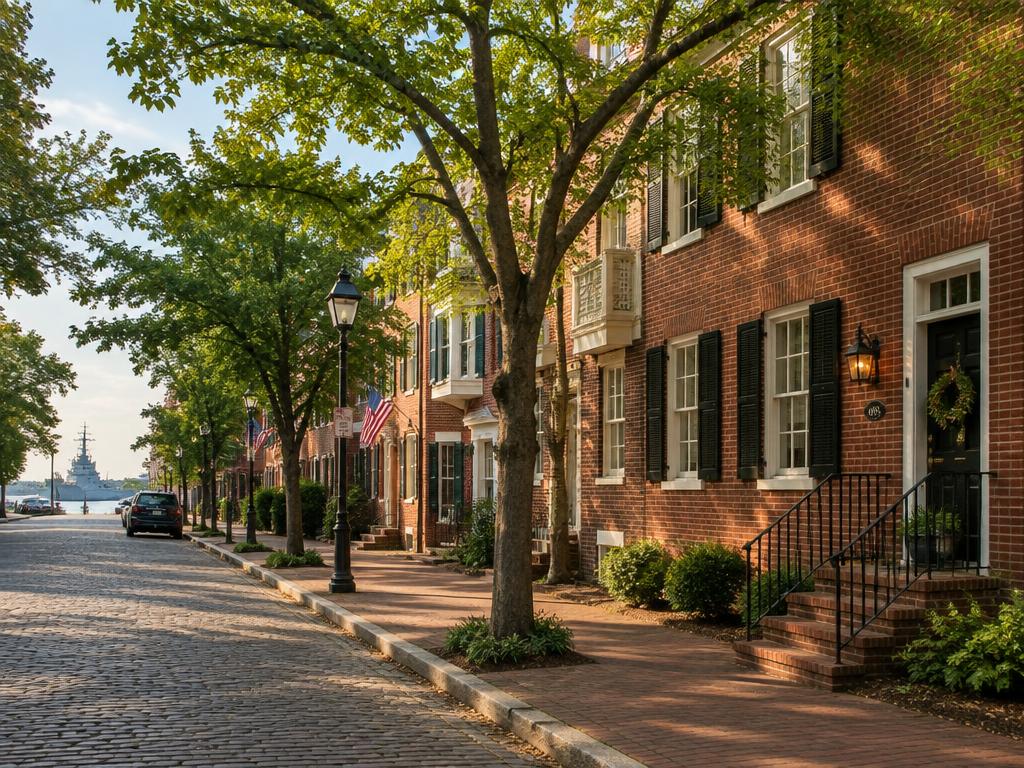
Most of what you'll tour in Huntersville are modest one- and two-story frame homes and rowhouses built in the late 1800s through the early-to-mid 1900s. Lots tend to be narrow, houses sit close to the sidewalk, and you'll see a real mix of condition, from beautifully restored porches to properties that are clearly a renovation project.
Because the housing stock is old, I always recommend a full inspection that specifically checks the foundation, the crawl space, the electrical panel and any knob-and-tube wiring, and the plumbing. Lead-based paint disclosure applies to anything built before 1978, which covers virtually every home in this neighborhood.
If you're comparing Huntersville to nearby Norfolk neighborhoods, it tends to price lower than Ghent but offers a similar close-in, walkable feel with more restoration potential and, in many cases, a shorter path to homeownership for first-time buyers.
Because the city has produced design guidelines specifically for this neighborhood covering appropriate porch styles, window proportions and exterior materials, buyers planning an addition or major exterior renovation should check what's allowed before assuming you can build whatever you want. I can point you to the right city planning contacts once we're under contract.
Roof age is another item I flag early, since a full tear-off on an older frame home is a real cost buyers should plan for rather than discover during option period. I'd rather you know that number before we write the offer than after.
Getting Around: Church Street, Princess Anne Road and Tidewater Drive
Huntersville is bordered roughly by Church Street and Elmwood Cemetery to the west, Tidewater Drive to the east, the Lindenwood neighborhood to the north, and Huntersville Park and Barberton to the south. Princess Anne Road cuts through and connects the neighborhood to downtown in just a few minutes.
That location is a big part of the appeal. You're a short drive from Norfolk's downtown core, MacArthur Center area, and the medical campuses around Sentara Norfolk General and EVMS, without paying the premium of living inside those districts.
Walking distance to downtown is a real selling point for buyers who don't want a car-dependent commute. It's also why I see interest from EVMS and Sentara staff who want a short, predictable drive to work rather than a long haul from the suburbs.
Commutes to Downtown, the Bases and the Tunnels
For downtown Norfolk workers, the commute from Huntersville is about as short as it gets in the city. For those headed to Naval Station Norfolk or Naval Air Station Oceana, plan on connecting to I-64 or Hampton Boulevard; I always recommend driving your actual commute at the time of day you'd be doing it before writing an offer.
If you're relocating for a new duty station or a job downtown, my relocating page and PCS/military page walk through how I help buyers moving from outside the area get oriented quickly.
Compared with neighborhoods farther out like Larchmont or waterfront pockets near ODU, Huntersville trades a little quiet for one of the shortest actual drive times to City Hall Avenue anywhere in Norfolk, which is why I see downtown employees and municipal workers show real interest here.
Everyday Life and What's Nearby
Day to day, Huntersville residents lean on Church Street and Princess Anne Road for groceries, food and services, and it's a quick trip to the shops and restaurants around Ghent or downtown for anything the immediate neighborhood doesn't have. Elmwood Cemetery, one of Norfolk's oldest, borders the neighborhood and is itself a place of historical significance worth a walk if you're new to the area.
Huntersville Park anchors the southern edge and gives residents a green space within the neighborhood itself, which matters in a part of the city where lots are small and private yards are limited.
Because Huntersville is so close to downtown, some buyers use it as a base for exploring festivals, restaurants and the waterfront district without paying to live inside those higher-priced pockets. It's a tradeoff worth weighing if walkability to nightlife matters more to you than a private yard.
Who Buys in Huntersville
I see three kinds of buyers gravitate toward Huntersville: history-minded buyers who specifically want a preserved or restorable early-1900s home, downtown workers who value the short commute over square footage, and investors who see the neighborhood's redevelopment momentum and want to get in ahead of it. Each of these buyers approaches the same street very differently, and I tailor the search accordingly.
If you're comparing this neighborhood against something like Berkley or a newer subdivision farther from downtown, the tradeoff is usually the same: Huntersville gives you history, walkability and price, in exchange for more variability in home condition and a smaller lot.
Flood Zones and Drainage on Older Streets
Huntersville sits on higher ground than some of Norfolk's waterfront neighborhoods, but older infrastructure means drainage after heavy rain can still be an issue on certain blocks. I pull the FEMA flood map for the specific address before we write an offer and ask sellers directly about past water intrusion, and if flood insurance is required by your lender, we run it through my mortgage calculator so you know your real monthly payment before you're under contract.
During inspection, I want eyes on grading around the foundation, gutters, and the crawl space especially, since these are the areas that tend to show problems first in homes this age.
If your lender requires flood insurance because of a mapped zone nearby, factor that cost into your monthly budget early rather than after you've fallen for a specific house.
HOAs and Ongoing Redevelopment
Most Huntersville streets don't have a homeowners association, so you won't typically see monthly HOA dues here, though you should still confirm this for any specific address. What you will want to track is the ongoing redevelopment nearby, including the planned rebuild of the Young Terrace public housing community just east of the neighborhood, part of a broader city effort that will eventually reshape that area into mixed-income housing over the next several years. I keep an eye on which blocks are affected so you know what to expect from construction activity and future changes to the neighborhood.
Insurance costs can also run higher on very old homes with older roofs or electrical systems, so I encourage buyers to get an actual insurance quote for the specific property before waiving contingencies, not just a general estimate based on the neighborhood.
Schools Serving Huntersville
Huntersville is zoned within Norfolk Public Schools, though attendance lines here are actively changing as the division consolidates and redraws boundaries. P.B. Young Elementary, which has historically served part of the neighborhood, is set to close, with different pockets of Huntersville being reassigned to Jacox, Monroe or Taylor elementary schools depending on which planning unit an address falls into. Because zoning can vary block to block and is currently in flux, I always confirm the exact assigned elementary, middle and high school directly with Norfolk Public Schools for any specific address before you buy. I cover what's known so far, along with how to verify it yourself, in my schools guide for Huntersville.
Financing an Older, Affordable Home
Huntersville's price points make it a realistic entry point for first-time buyers, and it's a neighborhood where I frequently see VA and FHA financing used successfully, though older homes sometimes need repairs completed before those loan types will close. My guides on VA loans and FHA loans for first-time buyers explain the property condition standards those programs require, and my conventional loans guide covers the alternative if a home needs work a government-backed loan won't finance as-is.
If you're weighing renovation costs against price, I'll help you get contractor estimates before we finalize an offer so there are no surprises after closing.
A number of my Huntersville buyers are drawn specifically to the idea of putting sweat equity into a historic home rather than buying something already finished. If that's your plan, budget realistically for what an inspector finds, and lean on my checklist for what to line up before you start touring.
Some lenders and appraisers are more comfortable with older, non-subdivision housing stock than others, so I recommend working with a lender who has closed loans in historic Norfolk neighborhoods before. That experience matters when an appraisal comes back with conditions tied to the home's age rather than anything unusual about the property itself.
Writing a Competitive Offer in Huntersville
Because Huntersville's inventory is a mix of true fixer-uppers and recently renovated homes, pricing per square foot varies more here than in a typical subdivision. I compare recent sales carefully by condition, not just by address, before we set an offer price.
If a home needs work that a government-backed loan requires be fixed before closing, I'll help you negotiate seller-paid repairs or a price adjustment rather than losing the deal. My home buyer checklist is a good next step once you're ready to start touring, and if this is your first purchase, my first-time buyers page walks through the whole process from pre-approval to closing day.