A Streetcar Suburb With Real Character
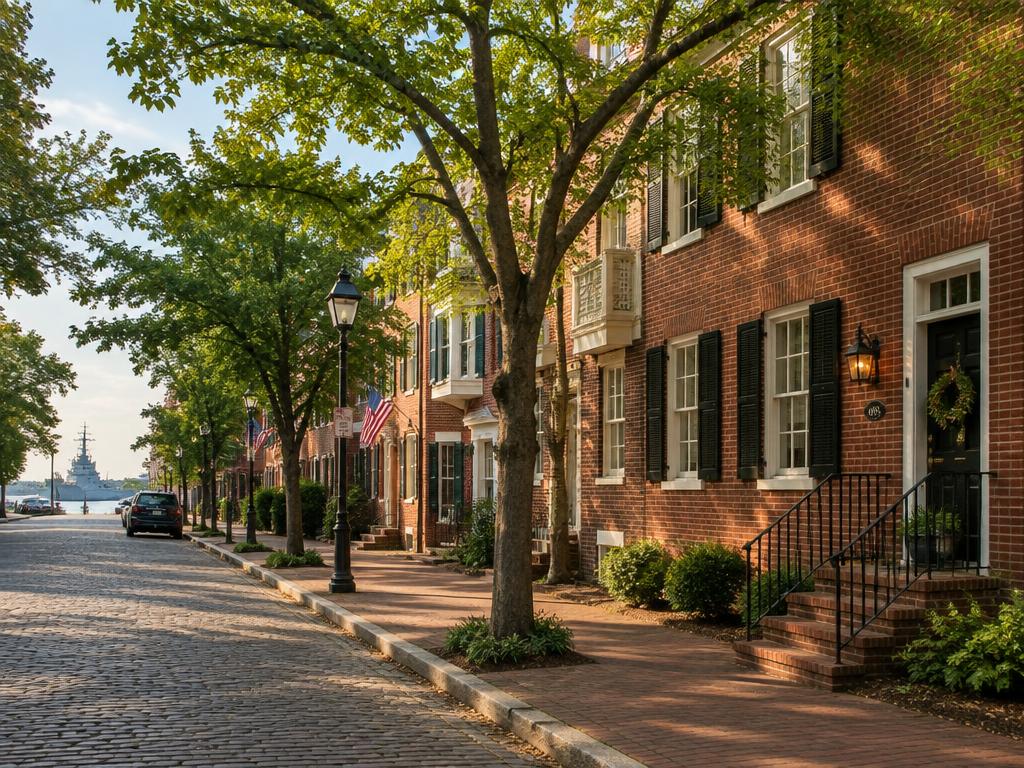
Park Place sits just north of downtown Norfolk, and it's one of the oldest planned neighborhoods in the city, built out as a streetcar suburb starting in the 1890s. The 1898 extension of the trolley line and the creation of Lafayette Park, Norfolk's first public park, are what drew the first wave of families here, and that history still shows in the bones of the neighborhood: a tight street grid, mature trees and blocks of homes that were built to be walked to and from, not driven through.
The area buyers now call Park Place is actually four older subdivisions stitched together: Park Place, Kensington, Old Dominion Place and Virginia Place. You'll hear all four names used loosely as "Park Place," and for practical purposes as a buyer that's fine, but it does explain why architectural style and lot layout can shift from one block to the next even within a few streets of each other.
If you want an early-1900s home with real detail at a price point well below Ghent or Colonial Place, Park Place is one of the more overlooked ways into that kind of house in Norfolk. I'll walk you through the neighborhood's layout, housing stock, commute, flood picture, HOA situation, schools and financing so you know what you're getting into before we tour.
Many buyers I work with in Park Place are coming from renting in Ghent or Colonial Place and want more square footage and yard for the same monthly payment, without giving up the walkable, tree-lined feel they've grown used to. Others are investors who see the historic district status and proximity to downtown as a long-term value play. Whichever camp you're in, it helps to walk the neighborhood at different times of day before you commit to a subdivision within it.
The Historic District and What the Homes Look Like
A large portion of Park Place is listed on the National Register of Historic Places as the Park Place Historic District, and it's a big one, covering roughly 347 acres and well over a thousand contributing buildings built between 1884 and the 1950s. That's a long build-out window, so you'll find genuine variety here rather than one uniform look.
Expect Queen Anne and Shingle Style Victorians, American Foursquares, Craftsman bungalows with deep front porches and smaller early-20th-century cottages, often on narrow lots with sidewalks and alleys behind. Some blocks have larger two-story homes; others are lined with modest one-story houses close together, so it's worth touring a few different streets before you settle on which style of Park Place fits you.
Because a good number of these houses are 80 to 130 years old, condition varies enormously even within a single block. A well-restored 1910 foursquare can be a far better buy than a newer-looking flip that cut corners, so I want you focused on how a home has actually been maintained and updated, not just on curb appeal.
It also pays to ask a listing agent directly which of the four historic subdivisions a home sits in, since buyers sometimes assume all of Park Place is architecturally uniform when it isn't. I'll pull the historic district map for any address we're considering so you know exactly what you're buying into, including any exterior guidelines that could apply.
Lafayette Park, Colley Avenue and Everyday Life
Lafayette Park anchors the neighborhood and gives Park Place a real front yard for the whole community, with walking paths, sports fields and mature trees along the Lafayette River. It's one of the reasons this area attracted families in the first place, and it's still a big part of why residents stay.
Colley Avenue and Granby Street form the western and eastern edges of the neighborhood, and both give you quick access to the shops, restaurants and coffee spots of neighboring Ghent without paying Ghent prices for the house itself. Because Park Place was built as a walkable streetcar suburb, day-to-day errands, a walk to the park or a stroll to a neighbor's porch feel much more natural here than in a car-dependent subdivision.
If you like the idea of Ghent's walkability and older-home character but want more house for your money, I'll usually suggest touring Park Place alongside neighboring Ghent and Colonial Place so you can compare price, condition and commute side by side.
Beyond the park itself, you're within a short drive or bike ride of the Hague, the Chrysler Museum and the restaurants along Colley Avenue, all without paying the premium those addresses command. That proximity without the price tag is one of the most common reasons buyers tell me they chose Park Place over Ghent itself.
Commutes: Downtown, the Tunnels and the Bases
Park Place's biggest practical advantage is location. You're a short drive from downtown Norfolk, close to I-264 and within easy reach of the Downtown and Midtown Tunnels toward Portsmouth. That makes it a strong option if you work downtown or need regular tunnel access without living right in the traffic of the urban core.
For military families, Park Place is a reasonable commute to Naval Station Norfolk and Norfolk Naval Shipyard, though I always tell relocating buyers to drive the actual route themselves at the time of day they'll be commuting before writing an offer. Traffic patterns around the tunnels and I-64 can shift quickly at peak hours.
If you're moving here for orders or a new job, my relocating and PCS/military pages walk through how I help buyers coordinate a purchase from out of town, including virtual tours and inspection scheduling around your timeline.
Bridge and tunnel congestion in Hampton Roads can add real time to a commute depending on the hour, so if your job is on the Peninsula or in Virginia Beach, I'd rather you test the drive yourself than rely on a map estimate. Park Place's location helps most with downtown and Portsmouth-side commutes specifically.
Flood Zones, Drainage and Insurance
Because Park Place is close to the Lafayette River and was developed well over a century ago, flood exposure varies by street, and it's not something to assume either way. Some lower-lying blocks fall within FEMA-mapped flood zones while others sit on higher ground just a few streets over.
Before you fall in love with a specific house, I pull the FEMA flood map for that exact address and ask the seller directly about past water intrusion, drainage problems or flood insurance claims. If the home sits in a mapped zone and you're financing it, your lender will require flood insurance, which changes your real monthly payment, so run the numbers through my mortgage calculator before you get attached to a price.
During inspection, I want a close look at grading, gutters, the crawl space and foundation. Older neighborhoods like Park Place were built before modern stormwater standards, so how a specific lot handles heavy rain matters as much as the flood zone designation itself.
I also encourage buyers to ask neighbors directly about flooding history on a given block, since long-time residents often know which streets pond after a heavy storm even when it isn't reflected on the official flood map yet.
Older-Home Inspection Issues to Expect
Buying a home built in the early-to-mid 1900s means going in with realistic expectations about what an inspector will find. Lead-based paint is common in anything built before 1978, and federal disclosure rules apply. Knob-and-tube or older wiring shows up in homes that haven't been fully updated, so I ask inspectors to flag the electrical panel and wiring age specifically.
Foundations, plumbing and roofs deserve close attention given the age of this housing stock. I want documentation on any prior repairs, and I'll factor likely near-term costs, a new roof, updated wiring, repointed brick, into your offer and negotiation strategy rather than let them surprise you after closing.
None of this should scare you off an older Park Place home. It just means budgeting honestly, negotiating repairs or credits where it makes sense, and not assuming a charming porch means everything behind the walls is equally sound.
I'd also budget for periodic maintenance that older masonry and wood-frame homes need regardless of whether an inspection flags an active problem: repointing brick, sealing original windows, and keeping gutters clear so water moves away from the foundation the way it's supposed to.
HOAs and the Civic League
Park Place doesn't operate like a typical suburban subdivision with a mandatory HOA and dues. Instead, the neighborhood is organized around the Park Place Civic League, a long-running volunteer organization that's been active since the 1960s advocating for the neighborhood, historic preservation and community events.
That means you generally won't have a monthly HOA fee here, but you should still ask about any historic district design guidelines that could affect exterior changes on a property within the registered historic district. I'll confirm the specifics for any home we tour so there are no surprises after you close.
Because there's no mandatory HOA, you also won't find the kind of rental restrictions or architectural review boards common in newer planned communities, which is part of why investors are drawn here. Just confirm any historic district guidelines separately, since those operate independently of civic league membership.
Schools in Park Place
Park Place falls within Norfolk Public Schools, and the division has been actively redrawing attendance boundaries over the past couple of years as part of a broader school consolidation plan, so zoning for any specific address can change from one year to the next.
I go over what I've been able to verify for this part of the city, elementary, middle and high options, along with how to double-check current zoning for a specific address, in my dedicated schools guide for Park Place. I'd read that alongside this one before you get attached to a particular house based on assumed school assignment.
I'd also encourage buyers who care about schools to read the full schools guide before writing an offer rather than after, since it walks through exactly how to verify current zoning for a given block.
Financing an Older Norfolk Home
Financing an older home in a historic district is generally straightforward, but a few things are worth knowing up front. Conventional and FHA loans both work here, though FHA appraisers pay close attention to peeling paint and safety issues on pre-1978 homes, so a little pre-listing cleanup from the seller can smooth that process.
If you're eligible, a VA loan is worth strongly considering given how many Park Place buyers are current or former military. My guides to VA loans, FHA loans for first-time buyers and conventional financing break down eligibility and how each option handles an older home's condition requirements.
Down payment assistance programs and first-time buyer incentives can make a real difference on an older home that needs some updating, so it's worth having that financing conversation early, before you fall for a specific house.
Writing a Competitive Offer
Well-priced, move-in-ready homes in Park Place tend to move quickly, especially ones that have already had the big-ticket items, roof, electrical, plumbing, addressed. Homes that need real work sit longer and give you more room to negotiate, which is exactly where a lot of value-focused buyers find their opportunity here.
I'll pull recent comparable sales specific to the block or subdivision you're considering, since pricing can swing noticeably between, say, Old Dominion Place and Kensington even though they're both called Park Place. For first-time buyers weighing an older fixer against a newer home elsewhere in the city, my first-time buyers page and home buyer checklist are good next steps before we start touring.
Whatever your situation, budget, timeline, whether you're buying your first home or an investment property to renovate, I'll help you put together an offer that reflects the real condition of the house, not just its address. My investment buyers page covers what to know if you're eyeing Park Place for a rental or a flip.
I've helped buyers close on everything from move-in-ready renovations to full gut projects in this neighborhood, and the offer strategy looks different for each. Tell me your renovation appetite honestly and I'll help you target the right kind of listing from the start.